
Invisalign Before Your Wedding: A 6 Month Smile Timeline for Brides

Meet Dr. Rakesh Mantena Dr. Rakesh Mantena, DDS, is the lead dentist at Mantena Dental & Implant Center and brings over 15 years of experience in providing patient-focused dental care. He earned his dental degree from the University of Southern California and has practiced dentistry internationally in the United Kingdom and India, giving him a broad and well-rounded clinical perspective. Dr. Mantena focuses on dental implants and restorative care, helping patients restore function, comfort, and confidence in their smiles. He believes in clear communication, gentle care, and treatment plans tailored to each patient’s goals. Outside the office, he enjoys spending time with his family and staying up to date with the latest advancements in dentistry. Introduction Your wedding photos will last forever. The smiles in those photos should feel just as timeless. Many brides want to improve their smile before the big day. Still, traditional braces often feel like too much commitment or too much visibility. That is where Invisalign becomes a popular choice. At Mantena Dental & Implant Center, brides often ask one simple question. Can Invisalign make a difference before my wedding if I only have 6 months? The answer depends on planning, consistency, and understanding what is realistic. This guide walks you through a clear six-month Invisalign timeline for brides. It explains the monthly changes, what to expect emotionally and physically, and how Dr. Rakesh Mantena helps brides stay confident and comfortable throughout treatment. If your wedding date is approaching and you want a confident smile without stress, this guide is for you. Why Brides Choose Invisalign Before Their Wedding Wedding planning already involves enough decisions. Brides want smile treatment that fits into busy schedules, social events, and dress fittings. Invisalign is well-suited for this stage of life because it integrates into daily routines, making it easier to stay consistent as you plan your big day and follow the aligner timelines shared by Dr. Rakesh Mantena. Clear aligners are nearly invisible in photos and real life. Brides can attend bridal showers, engagement shoots, and fittings without feeling self-conscious. There are no wires or brackets that show when smiling. Comfort is another reason. Invisalign aligners are smooth and custom-fit. Many brides prefer them over braces because they feel gentler on the mouth. This matters during a period of stress, long days, and limited sleep. Most importantly, Invisalign allows targeted improvement. Six months may not be enough for every case. Still, many brides see noticeable changes in alignment, spacing, and smile balance within that time. Is Six Months Enough Time for Invisalign Before a Wedding Six months is not about perfection. It is about visible improvement. Invisalign works in stages. Teeth move gradually, and some movements happen faster than others. Brides with mild to moderate concerns often see meaningful progress in six months. This may include straighter front teeth, reduced crowding, or closing small gaps. For more complex cases, six months still creates a visible improvement even if treatment continues after the wedding, making it easier to discover smile planning services with Dr. Rakesh Mantena that align with your timeline. Dr. Rakesh Mantena focuses on smile priorities. For brides, the front teeth and overall smile symmetry usually matter most. Treatment planning often emphasizes what shows when you smile naturally in photos. The key is to start early and stay consistent. Aligners only work when worn as directed. Brides who commit fully often find themselves surprised by how much their smiles change in a short time. Month One: Setting the Foundation The first month is about preparation and adjustment. It starts with a consultation at Mantena Dental & Implant Center. Dr. Rakesh Mantena examines your teeth, discusses your wedding timeline, and identifies realistic goals. Digital scans are taken to map out tooth movement. These scans help plan each stage of your Invisalign journey. Brides often feel excited seeing a preview of their future smile. Once aligners arrive, the first few days involve adjustment. Teeth may feel tight or sore. This is normal. It means the aligners are working. Most brides adapt quickly and feel comfortable within a week. By the end of month one, you may not yet see dramatic changes. However, the foundation is being set. Teeth are starting to move, and your mouth is learning the rhythm of aligner wear. Month Two Early Visible Changes Begin Month two often brings the first visible improvements. Small shifts in tooth position become noticeable, especially in the front teeth. Brides often say their smile looks more even or balanced. Speech feels normal by now. Wearing aligners becomes part of your routine. Many brides forget they even have them on. This month is also about building confidence. Engagement photos or pre-wedding events often happen around this time. Brides feel relieved knowing their smile is already improving. As part of this stage, patients can access wedding dental preparation tips from Dr. Rakesh Mantena, who reviews progress and ensures the aligners fit properly. Adjustments are made if needed to keep treatment moving smoothly. Month Three Smile Definition Takes Shape Month three is a turning point. This is when many brides start receiving compliments. Teeth alignment becomes more noticeable. Gaps may look smaller. Crowding may appear reduced. Photos taken during this time often show a softer, more confident smile. Brides begin smiling wider without thinking about angles or hiding certain teeth. Emotionally, this month feels rewarding. Seeing progress makes the effort feel worth it. Brides are motivated to stay consistent, especially as the wedding date approaches. This is also when refinements may be discussed. Dr. Rakesh Mantena ensures your smile goals remain on track for the remainder of the year. Month Four: Fine-Tuning the Smile Month four focuses on detail. Major movements are often completed by now, and attention shifts to refining the smile. Teeth edges align better. The smile line looks smoother. Minor spacing issues continue to improve. Brides often report that their smiles look cleaner and more polished. This is a good time for dress fittings and makeup trials. Brides feel more
Keep Your Invisalign Clear This Winter: Dr. Rakesh Mantena’s Stain-Prevention Tips
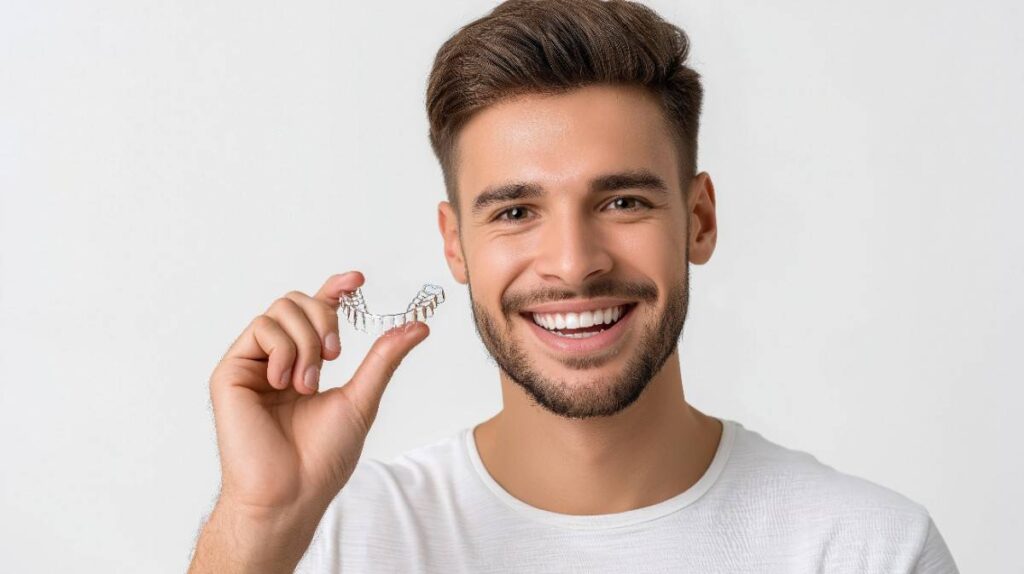
Winter in El Dorado Hills brings crisp mornings, festive gatherings, and comforting seasonal foods and beverages. While the colder months are often associated with fresh beginnings, they also introduce environmental changes that can impact daily habits, including how Invisalign trays are worn and cared for. Temperature fluctuations, dry indoor air, and seasonal drinks can all affect tray clarity if patients are not prepared. Much like winter requires thoughtful preparation to stay comfortable and healthy, maintaining clear aligners during colder months requires consistency, awareness, and informed care. At Mantena Dental & Implant Centre, patients are guided through every phase of Invisalign treatment with a focus on long-term clarity, comfort, and results. This blog shares practical, experience-backed insights designed to help patients protect Invisalign trays from stains and temperature changes. It blends seasonal awareness with professional guidance, supporting patients who want to maintain confidence and clarity throughout winter. Why Winter Care Matters for Invisalign Trays Invisalign trays are custom-crafted to guide teeth into alignment while remaining discreet and gentle. Their clarity is one of the most valued features. Yet, winter introduces habits and environmental conditions that can challenge this benefit. Hot seasonal beverages, indoor heating, and cold outdoor temperatures can all influence tray appearance and feel. Understanding Dr. Rakesh Mantena’s advice on Invisalign during the winter months helps patients adapt without disrupting daily routines or treatment progress. Patients are encouraged to wear aligners 23 to 24 hours daily, including during eating and drinking, to support predictable movement and reduce unnecessary handling. This consistent approach becomes especially important during winter schedules that may include travel, gatherings, and routine changes. Understanding Invisalign and Tray Clarity Invisalign uses a series of clear trays that fit snugly and gradually move teeth. These trays are durable, but they respond to temperature and exposure just as any precision-made dental material does. Cold air can make trays feel firmer when first inserted. At the same time, warm foods and drinks can affect surface clarity if hygiene routines are inconsistent. Learning how winter conditions interact with aligners helps patients take proactive steps. For a broader understanding of how clear aligners function, the American Association of Orthodontists provides a helpful overview here. How Cold Weather Influences Staining Risk Winter diets often include darker beverages and richly colored foods. While patients can comfortably eat and drink while wearing aligners, maintaining tray clarity depends on thoughtful habits. Seasonal factors that may increase staining risk include: This is where Dr. Rakesh Mantena’s tips for Invisalign care in cold weather become especially valuable. By understanding how winter habits influence tray appearance, patients can maintain clarity without sacrificing comfort or enjoyment. Protecting Invisalign Trays From Temperature Changes Temperature awareness is critical for winter aligner care. Sudden exposure to extreme cold can temporarily affect how trays feel, while excessive heat may impact their shape. Protecting Invisalign trays from temperature changes – Dr. Rakesh Mantena focuses on simple, realistic adjustments rather than restrictive rules. Allowing trays to naturally adapt to body temperature after insertion helps improve comfort and fit. Patients who discover how Dr. Rakesh Mantena suggests protecting Invisalign in cold weather often benefit from storing trays properly when not in use and avoiding exposure to extreme environments. Daily Habits That Support Tray Clarity in Winter Consistency is the foundation of successful Invisalign care. During winter, routines may shift, but maintaining daily habits helps protect the tray’s appearance. Helpful winter care habits include: These habits align with learn the winter Invisalign care tips from Dr. Rakesh Mantena, reinforcing clarity while supporting treatment progress. Eating and Drinking While Wearing Aligners During Winter Winter comfort foods and warm beverages are part of seasonal enjoyment. Invisalign treatment allows patients to eat and drink while wearing aligners, which supports consistent wear time and minimizes interruptions. Choosing balanced options and maintaining routine hygiene helps preserve tray clarity. This approach supports extreme weather Invisalign precautions with Dr. Rakesh Mantena, ensuring that winter indulgences do not compromise treatment goals. For additional patient education on aligner materials and care, Invisalign offers detailed guidance here. Managing Cold Snaps and Outdoor Exposure Sudden cold snaps are common during winter. While aligners are designed for daily use, extreme temperature changes can temporarily affect comfort. Patients who find Dr. Rakesh Mantena’s advice on keeping trays safe from extreme temperatures often learn that simple measures, such as avoiding prolonged exposure to freezing conditions, help maintain tray integrity. Get Dr. Rakesh Mantena’s guidance for Invisalign care during cold snaps by staying mindful of environmental changes and maintaining consistent wear routines. Building Confidence Through Consistency The winter season can feel busy and unpredictable, yet Invisalign success depends on steady habits. Wearing aligners 23 to 24 hours daily supports predictable progress and helps trays perform as intended. Patients who stay consistent often report improved comfort and fewer distractions related to tray awareness. This confidence builds momentum throughout treatment, even during colder months. Comprehensive Care at Mantena Dental & Implant Centre Mantena Dental & Implant Centre combines advanced technology with patient-centered care. In addition to Invisalign treatment, the practice is a top-rated provider for All-on-4® dental implants, offering comprehensive solutions for long-term oral health. Patients can explore the full range of care options on the Services page and learn more about the experienced team on the Meet The Doctors page. Patient Convenience and Accessibility Planning visits during winter is simple with helpful location tools. Directions are available on Google Maps, and the clinic location can be viewed there. Appointments and inquiries can be scheduled easily through the Contact Us page. Patient Experiences and Trust Patient feedback reflects real experiences and builds confidence for those considering Invisalign care. You are welcome to read or share your experience through the Share Your Review page. Conclusion Winter does not have to compromise Invisalign clarity or comfort. With seasonal awareness, consistent habits, and informed care, patients can protect their trays and enjoy treatment progress throughout colder months. At Mantena Dental & Implant Centre, patients receive guidance designed to support confidence and clarity year-round. Whether beginning treatment or navigating
Invisalign in Freezing Temperatures: Precautions Explained by Dr. Rakesh Mantena

Winter in El Dorado Hills brings crisp mornings, cooler nights, and seasonal routines that influence everyday habits. From enjoying warm beverages to commuting in chilly air, cold weather changes how people move through their day. These shifts also matter when starting or continuing Invisalign, especially when aligners are exposed to freezing temperatures. Much like winterizing a home protects it from damage, preparing for Invisalign care during colder months helps preserve comfort, clarity, and steady progress. At Mantena Dental & Implant Centre, patients receive personalized guidance designed to keep aligner wear consistent even during cold snaps. This approach helps ensure the Invisalign Timeline stays on track while aligners remain effective. This blog explains how freezing temperatures affect aligners, what precautions support success, and what to expect during a full year of treatment with clear monthly milestones. Understanding Invisalign and Why Temperature Matters Invisalign uses clear, custom-crafted aligners designed to apply gentle pressure over time. These aligners are worn consistently, ideally 23 to 24 hours each day, including when you eat and drink, to maintain steady progress. Because aligners are made from advanced materials, sudden temperature changes can influence how they feel. Exposure to freezing air or rapid shifts from warm indoor environments to cold outdoor conditions may temporarily increase firmness. This sensation usually fades as the aligners adjust to body temperature. For a broader explanation of how aligner treatment works, the American Association of Orthodontists provides helpful educational resources on clear aligners. Invisalign in Freezing Temperatures: What to Know Cold weather does not stop Invisalign progress, but it does require awareness. Aligners may feel firmer after exposure to cold air, especially during winter travel or outdoor activities. Allowing them to naturally warm helps maintain comfort. Taking seasonal precautions helps protect aligners while maintaining consistent wear. These steps are especially helpful during the early months when routines are still forming. Dr. Rakesh Mantena Guide to a 12 Month Invisalign Journey A successful Invisalign experience is built on consistency and realistic expectations. Below is a general roadmap reflecting what many patients experience during a 12-month Invisalign Timeline, with winter-focused considerations included. Months 1 to 3: Getting Started During Cooler Weather The early phase focuses on adjustment. Aligners may feel snug, and winter dryness can make sensations more noticeable. Key focus areas include: This phase aligns with “What to expect during Invisalign treatment” by Dr. Rakesh Mantena, helping patients understand early sensations and progress. Learn more about available treatment options here. Months 4 to 6: Visible Progress and Routine Stability As treatment continues, changes become more noticeable. Aligners feel familiar, and winter care habits become automatic. This stage reflects Monthly Invisalign milestones with Dr. Rakesh Mantena, where progress builds steadily through consistent wear and seasonal awareness. Maintaining hydration and protecting aligners during cold-weather outings supports comfort and clarity. Explore additional care services offered by the practice. Months 7 to 9: Refinement and Precision During this stage, aligners focus on refining alignment details. Winter conditions may feel less impactful, but consistency remains essential. This phase reflects Dr. Rakesh Mantena’s advice on Invisalign progress over 12 months, highlighting the importance of patience and steady habits. Months 10 to 12: Final Adjustments and Completion The final months involve detailed adjustments and preparation for completion. Patients often notice that early winter habits contributed to a smoother overall experience. This phase completes the Invisalign Timeline, showing how preparation and routine support predictable outcomes. Winter Specific Precautions for Invisalign Wearers Cold weather introduces unique situations that deserve attention. Avoid Sudden Temperature Changes Rapid shifts between warm indoor spaces and freezing outdoor air may affect how aligners feel. Allow them to warm naturally once indoors. Protect Aligners During Outdoor Activities Long walks, winter sports, or cold commutes can expose aligners to low temperatures. Simple storage awareness helps maintain comfort. Maintain Consistent Wear Seasonal routines can change during holidays or travel. Wearing aligners 23 to 24 hours daily, including while eating and drinking, supports steady progress. These steps align with Extreme weather Invisalign precautions with Dr. Rakesh Mantena. Discover How Dr. Rakesh Mantena Explains the 12 Month Invisalign Timeline Clear expectations help patients stay confident throughout treatment. Understanding how winter fits into the full timeline makes care feel manageable. Patients interested in comprehensive dental solutions can explore options like All-on-4 dental implants here. Invisalign Expertise at Mantena Dental & Implant Centre Mantena Dental & Implant Centre in El Dorado Hills, CA, is recognized for advanced care planning and patient-focused guidance. The clinic offers modern solutions designed to support comfort, clarity, and long-term results. Meet the care team here. Learn the Invisalign Treatment Roadmap From Dr. Rakesh Mantena A structured roadmap helps patients stay motivated and prepared, even during seasonal changes. For official information about Invisalign materials and technology, visit here. Find Dr. Rakesh Mantena’s Advice on Monthly Invisalign Progress Progress happens gradually through consistent wear and seasonal awareness. Winter does not slow results when daily habits stay strong. Get Dr. Rakesh Mantena’s Tips for a Smooth 12 Month Invisalign Journey Preparation, routine, and education make Invisalign care easier year-round, including winter. Contact and Visit Information For personalized Invisalign guidance or to schedule a consultation: Share your experience with the practice here. Conclusion Freezing temperatures do not have to complicate Invisalign care. With awareness, preparation, and consistent habits, aligners remain comfortable, and progress stays predictable throughout winter. Understanding the Invisalign Timeline, following seasonal precautions, and maintaining daily wear help support a smooth 12-month journey. At Mantena Dental & Implant Centre, patients receive guidance rooted in experience and seasonal understanding, helping Invisalign care remain clear, comfortable, and effective year-round. Key Takeaways FAQs 1. Can cold weather affect how Invisalign trays feel?Yes, freezing temperatures may make aligners feel firmer at first, but they typically return to their original feel once warmed. 2. Is it safe to wear Invisalign during outdoor winter activities?Yes, Invisalign can be worn during outdoor activities with simple precautions to protect aligners from prolonged cold exposure. 3. How many hours should Invisalign be worn during winter?Aligners should be worn for 23
How festive treats can impact your aligners – insights from Dr. Rakesh Mantena

Festive seasons bring joy, gatherings, and an abundance of colorful treats that make celebrations memorable. From holiday cookies and caramel candies to sweetened beverages and seasonal desserts, these indulgences are often central to how we celebrate together. For patients using Invisalign Aligners, however, the holiday season can also raise important questions about daily care, clarity, and long-term results. At Mantena Dental & Implant Centre in El Dorado Hills, CA, patients frequently ask how seasonal foods affect their aligners and what habits help maintain clarity and comfort during busy celebrations. This guide brings together expert insights and practical advice, helping patients enjoy festivities while staying on track with their smile goals. In this blog, you will discover how holiday sweets interact with aligners, how to reduce staining risks, and how consistent wear for 23 to 24 hours supports predictable outcomes. You will also learn how to eat and drink responsibly while wearing aligners, without compromising their appearance or function. Celebrations and Smile Care: Finding the Right Balance Holiday traditions often revolve around food. Sugary snacks, richly colored sauces, and warm beverages are common during gatherings. While these treats are enjoyable, they can influence aligner clarity and hygiene if not managed properly. This is where Dr. Rakesh Mantena’s tips for Invisalign and holiday candies become especially valuable. The goal is not to avoid celebrations but to understand how everyday choices interact with aligners during extended wear. Because aligners are worn most of the day, including while eating and drinking, thoughtful care habits help prevent buildup and discoloration. Patients seeking personalized guidance can explore the full range of options available through the clinic’s comprehensive Services page, which highlights a patient-focused approach to long-term oral wellness. Understanding Invisalign Aligners and Daily Wear Expectations Invisalign uses a series of custom-crafted clear trays designed to fit snugly over your teeth. These aligners apply gentle, consistent pressure that guides teeth into improved alignment over time. To support effectiveness, patients are advised to wear aligners 23 to 24 hours each day, even during meals and beverages. Because aligners are worn so consistently, what you consume matters, this is why understanding How Holiday sweets affect clear aligners – Dr. Rakesh Mantena has become an essential topic for patients who want to stay confident throughout the season. For a detailed overview of how aligners work and what to expect, the American Association of Orthodontists provides an excellent patient resource here. How Holiday Sweets Interact With Clear Aligners Seasonal treats often contain sugars, dyes, and sticky ingredients. When consumed while wearing aligners, these substances can increase the risk of residue buildup, staining, and odor if proper hygiene is not followed. Sugars feed oral bacteria, which may contribute to plaque accumulation. Dark colored foods such as berry desserts, chocolate sauces, or spiced beverages may also tint aligners over time. This explains why Preventing aligner stains during festive treats with Dr. Rakesh Mantena focuses heavily on awareness rather than restriction. Maintaining clarity depends on daily habits. Gentle brushing, consistent rinsing, and mindful food choices all help keep aligners looking fresh throughout the holidays. Practical Strategies for Enjoying Treats While Wearing Aligners Celebrations should feel joyful, not stressful. Patients often appreciate practical, realistic strategies that fit into social gatherings. Dr. Rakesh Mantena’s advice on caring for Invisalign during holidays emphasizes consistency and cleanliness rather than avoidance. Key habits include: These small steps make a noticeable difference over time. Patients who follow these habits often report better clarity and comfort throughout the festive season. Avoiding Stains Without Missing the Fun Staining is one of the most common concerns during holidays. Fortunately, awareness and routine care go a long way. If you want to discover how Dr. Rakesh Mantena suggests avoiding aligner stains, focus on proactive cleaning and limiting prolonged exposure to strongly pigmented foods. Regular aligner hygiene supports not only appearance but also overall oral freshness. For patients seeking additional insight into clear aligner systems and care, the official Invisalign site offers helpful education. Holiday Aligner Care Tips You Can Use Every Day Consistency is the foundation of success with clear aligners. Patients who Learn the holiday aligner care tips from Dr. Rakesh Mantena often notice smoother transitions between aligner sets and improved confidence during social events. Helpful daily practices include: These habits support predictable progress while allowing patients to participate in seasonal traditions fully. Keeping Aligners Clear Through Busy Schedules Holidays are busy, and routines often change. Travel, parties, and late nights can disrupt daily habits. Still, Dr. Rakesh Mantena’s advice on keeping Invisalign clear highlights the importance of sticking to core routines even when schedules shift. Portable cleaning solutions, extra hydration, and simple awareness help maintain clarity on the go. Many patients find that planning makes aligner care feel effortless, even during packed calendars. Enjoying Holiday Treats Safely and Confidently Celebrations should never feel restrictive. Patients who get Dr. Rakesh Mantena’s guidance for enjoying holiday treats safely often discover that aligner care blends naturally into daily life with the right mindset. Clear aligners are designed for modern lifestyles, including social events and shared meals. With mindful habits and consistent wear, patients can enjoy festive moments without compromising progress or appearance. Comprehensive Care at Mantena Dental & Implant Centre Mantena Dental & Implant Centre is known for delivering advanced, patient-centered solutions in El Dorado Hills, CA. Alongside clear aligner care, the clinic is also recognized as a top-rated provider for All-on-4® dental implants, offering transformative solutions for patients with complex needs. Patients are encouraged to explore the clinic’s full range of services, meet the experienced team through the Meet The Doctors page, or schedule a visit using the Contact Us link. For easy planning, you can find directions on Google Maps or view the clinic location directly on Google Maps. Building Trust Through Experience and Patient Feedback Experience, expertise, and transparency are essential to building confidence. Patients are always welcome to share their experiences or read others’ through the Share your Review page. Real feedback reflects the commitment to quality care and patient
Cold weather Invisalign care – tips from Dr. Rakesh Mantena to protect aligner trays

Winter brings crisp mornings, cooler evenings, and the excitement of fresh starts. For many patients, January is also the perfect time to begin Invisalign and focus on personal goals, including a healthier, more confident smile. While clear aligners fit seamlessly into daily life, cold weather introduces unique factors that can affect comfort, routine, and tray care during the first month of treatment. At Mantena Dental & Implant Centre in El Dorado Hills, CA, patients often ask how seasonal changes influence their aligner experience, especially during the crucial early phase. This blog is designed as a guide that blends seasonal awareness with expert insight, helping new patients protect their aligner trays, establish strong habits, and feel confident from day one. You will also find practical guidance for wearing aligners 23 to 24 hours daily, eating and drinking while wearing aligners, and building a steady routine during the first 30 days. A Fresh Start for a New Year and a New Smile Winter often symbolizes renewal. Just as many people refresh their routines in January, beginning Invisalign during colder months offers a structured opportunity to focus on consistency. However, chilly air, indoor heating, and seasonal schedule shifts can impact comfort and tray maintenance if patients are not prepared. This is where Dr. Rakesh Mantena’s tips for starting Invisalign in the first month become especially helpful. The early phase sets the tone for the entire journey, and small adjustments can make a big difference in comfort and clarity. Patients interested in understanding their options can explore the clinic’s full range of care on the Services page, which highlights a comprehensive, patient-focused approach. Understanding Invisalign and Why the First Month Matters Invisalign is a system of custom-made clear trays that gently guide teeth over time. Each aligner is designed to be worn consistently throughout the day and night, supporting gradual, controlled movement. The first month is particularly important because it is when patients adapt to the feel, schedule, and daily habits that support long-term success. Following the first 30 days of Invisalign advice from Dr. Rakesh Mantena, patients can ease into this transition with confidence. Establishing routines early helps prevent unnecessary disruptions and ensures that aligners fit comfortably as designed. For patients who want a deeper understanding of how aligners work, the American Association of Orthodontists provides a trusted overview here. How Cold Weather Can Affect Your Aligner Experience Winter weather brings dry air, temperature changes, and increased time indoors. These factors can influence how aligners feel and how patients care for them. Dry indoor air may contribute to a sensation of dryness in the mouth, while outdoor cold can make trays feel firmer when first inserted. This is why Dr. Rakesh Mantena’s guidance for the New Year Invisalign routine emphasizes awareness and preparation. Staying hydrated, maintaining cleaning habits, and following wear time recommendations all help aligners perform as expected, even during colder months. Establishing a Strong First Month Routine The first 30 days are about building habits that feel natural. Patients who focus on consistency early often report smoother transitions between aligner sets and improved overall comfort. How to manage your first month with Invisalign – Dr. Rakesh Mantena centers on realistic routines rather than rigid rules. Wearing aligners for 23 to 24 hours a day, including while you eat and drink, helps keep treatment on track without disrupting daily life. Helpful habits include: These habits help patients feel confident, even during busy winter schedules. Cold Weather and Aligner Tray Protection Clear aligners are durable, but temperature awareness matters. Extremely cold conditions can temporarily change how trays feel when first worn. Allowing aligners to adjust naturally to body temperature supports comfort. Patients who discover how Dr. Rakesh Mantena recommends starting Invisalign often learn that small seasonal adjustments, such as warming aligners slightly with clean hands before insertion, can improve comfort without affecting performance. Avoid exposing trays to extreme temperatures, whether cold or hot, as this helps preserve their shape and fit. Eating and Drinking While Wearing Aligners in Winter Seasonal drinks like warm teas, flavored coffees, and soups are popular in winter. Patients are encouraged to eat and drink while wearing aligners, but mindfulness is key. Choosing beverages that are not overly pigmented and rinsing after meals helps maintain tray clarity. Learn the first month of Invisalign tips from Dr. Rakesh Mantena by focusing on balance rather than restriction. Enjoying seasonal foods while maintaining consistent hygiene habits helps patients stay comfortable and confident throughout winter. For additional insight into aligner care and materials, the official Invisalign site offers detailed patient education. Managing Comfort During Cold Mornings Cold mornings can make aligners feel snug initially. This sensation typically fades as trays warm naturally. Staying consistent with wear time helps aligners settle more smoothly throughout the day. Patients who find Dr. Rakesh Mantena’s advice for a smooth Invisalign start often benefit from maintaining steady routines, even on weekends or during holiday travel. Consistency supports comfort and predictable progress. Building Confidence During the First 30 Days The early weeks of Invisalign are about adjustment, not perfection. Minor pressure or awareness is normal as teeth begin to respond. Understanding this process helps patients stay motivated and confident. Those who get Dr. Rakesh Mantena’s guidance for your first 30 days of Invisalign often report that knowing what to expect reduces anxiety and improves commitment. Education plays a major role in successful outcomes. Comprehensive Care at Mantena Dental & Implant Centre Mantena Dental & Implant Centre is known for combining advanced technology with personalized care. In addition to clear aligner treatment, the practice is a top-rated provider for All-on-4® dental implants, offering comprehensive solutions for patients at every stage of oral health. Patients can learn more about the experienced team through the Meet The Doctors page or schedule a visit using the Contact Us link. For easy planning, directions are available on Google Maps, and the clinic location can be viewed there. Patient Experience and Trust Patient feedback reflects real experiences and builds confidence for those considering treatment.
Setting Yourself Up for Success: Your First 30 Days of Invisalign in the New Year

The start of a new year often inspires people to refresh their routines, commit to healthier habits, and finally take steps toward goals that have been postponed month after month. For many, one of the most rewarding decisions made at the beginning of the year is choosing Invisalign as a pathway toward a more confident smile. At Mantena Dental & Implant Centre, patients receive comprehensive support throughout their treatment experience, especially during the critical first month. The first 30 days of wearing clear aligners set the pace for long-term success. With proper guidance and a clear understanding of how to incorporate aligner wear into daily routines, patients can enjoy a smooth and productive start to their smile transformation journey. Throughout this guide, you will learn how to make the most of your first month of treatment with practical, real-world strategies backed by the expertise of Dr. Rakesh Mantena, a highly respected provider whose patient-centered approach ensures comfort, clarity, and consistent progress. Whether you have just begun wearing aligners or are preparing for your upcoming start date, the information below will help you feel supported and confident every step of the way. Why the First Month of Invisalign Matters While aligners work throughout the entire treatment cycle, the first several weeks are especially important. This is the phase in which patients adjust to the feel of the trays, learn to manage aligner wear during daily activities, and begin establishing habits that will carry them through the rest of their treatment. During this adjustment phase, following Dr. Rakesh Mantena’s tips for starting Invisalign in the first month is one of the most effective ways to ensure optimal comfort and consistent progress. These recommendations help patients avoid common hurdles and stay aligned with their treatment goals right from the start. Choosing a provider who understands the importance of early guidance makes a significant difference. Mantena Dental & Implant Centre has built a reputation for personalized care, patient education, and precise planning, which allows individuals to begin their treatment with confidence. Establishing a New Invisalign Routine for the New Year Beginning clear aligner treatment in January offers the advantage of incorporating healthy new habits into your overall New Year rhythm. This is why many patients appreciate Dr. Rakesh Mantena’s guidance for the New Year Invisalign routine. The early days of January are often filled with renewed motivation, which helps patients stay consistent with their aligner wear schedule and daily hygiene routine. For those visiting the El Dorado Hills area for the first time or planning their consultation, the office location is easy to find using Google Maps directions. Patients can also explore all available treatments, including cosmetic, restorative, and implant services, by visiting the complete Services page. Week One: Getting Comfortable and Staying Consistent The first week is usually when patients feel the greatest shift. Aligners may feel new or slightly snug, and it takes a little time to become accustomed to speaking with them, maintaining a routine cleaning schedule, and remembering to keep them in place for 23 to 24 hours each day. A smooth start begins with understanding how to manage aligner fit and comfort. Many patients find value in the First 30 days of Invisalign advice from Dr. Rakesh Mantena, which guides them through what to expect as their teeth begin to move under gentle, controlled pressure. Helpful Week One Tips Drinking and eating while wearing aligners is common during this initial period. Patients should be mindful of potential staining and rinse their mouth when possible to keep the trays clear. With good hygiene habits, many patients find it easy to enjoy meals while staying on track with their aligner schedule. Week Two: Building Confidence and Mastering Your Routine By the second week, many patients feel significantly more confident and better adapted to daily aligner wear. This is a great time to review Dr. Rakesh Mantena’s recommendation for starting Invisalign, which emphasizes the importance of maintaining a consistent, predictable aligner routine. Patients often begin noticing early signs of progress around this time, which can be motivating. Smoother transitions between trays, improved comfort, and increased familiarity with daily wear help maintain momentum. Hygiene and Alignment Tips for Week Two For those traveling or planning trips in the coming weeks, it may be helpful to review the ADA’s travel tips to prepare effectively. You can find them here on MouthHealthy Week Three: Noticing Real Progress and Fine-Tuning Your Habits As you move toward the middle of your first month, a consistent routine starts to show results. Whether you are switching aligner sets weekly or biweekly, progress becomes more visible. This period is ideal for reviewing Learn the first month Invisalign tips from Dr. Rakesh Mantena, which highlights how slight refinements to your routine can help your treatment stay right on schedule. Adjusting your cleaning and storage habits, reviewing your aligner schedule, and paying attention to comfort can help maintain the steady progress you have made so far. Tips for Maintaining Progress During Week Three This is also the time when many patients start to feel proud of their commitment and may even begin receiving compliments from friends and family. Acknowledging your achievements helps reinforce the positive habits you have established. Week Four: Transitioning to a Confident New Routine By the fourth week, wearing aligners becomes part of your natural lifestyle. Many people find themselves thinking less about their trays throughout the day because aligner wear has become automatic and routine. This is the perfect moment to revisit Dr. Rakesh Mantena’s advice for a smooth Invisalign start and ensure you are following each recommended step. Patients also tend to feel motivated when they see that their commitment is paying off. The four-week mark often brings noticeable improvements in alignment, tray fit, and day-to-day confidence. Strengthening Your New Habits During Week Four Patients who want to learn more about the ongoing stages of treatment often find inspiration by exploring additional services offered by their dental team, including advanced therapies such as All-on-4 dental implants,
Invisalign Timeline: What to Expect on Your 12-Month Treatment Roadmap

At Mantena Dental & Implant Centre, patients seeking a confident, beautifully aligned smile often ask how long Invisalign treatment takes and what milestones to expect along the way. Dr. Rakesh Mantena DDS, a top-rated provider for All-on-4® dental implants in El Dorado Hills, CA, has guided countless patients through successful Invisalign journeys. Understanding the Invisalign timeline can help you prepare mentally and practically for your 12-month transformation, ensuring smooth progress and optimal results. This blog explores what patients can expect during their 12-month Invisalign treatment, monthly milestones, and expert tips from Dr. Rakesh Mantena to make your journey comfortable and predictable. What Is Invisalign? Invisalign is a modern, virtually invisible teeth-alignment solution that uses a series of custom-designed, clear aligners to shift teeth into their desired positions gradually. Unlike traditional braces, Invisalign aligners are removable, allowing patients to continue eating and drinking normally while wearing them. The treatment is designed to be worn for 23 to 24 hours daily for maximum effectiveness. Learn more about Invisalign treatment at Mantena Dental & Implant Centre. Dr. Rakesh Mantena Guide to a 12-Month Invisalign Journey Every Invisalign journey is unique, but a typical 12-month roadmap includes clearly defined milestones that track progress and ensure consistent results. Dr. Rakesh Mantena emphasizes the importance of commitment, regular check-ins, and understanding what each month brings. By following Dr. Rakesh Mantena’s advice on Invisalign progress over 12 months, patients can better visualize their journey and remain motivated to achieve the smile they’ve always wanted. Month-by-Month Invisalign Milestones With Dr. Rakesh Mantena Month 1: Initial Consultation and Custom Treatment Plan Your Invisalign journey begins with a thorough consultation at Mantena Dental & Implant Centre. Dr. Rakesh Mantena evaluates your dental health, reviews X-rays, and creates a digital map of your teeth’s current position. This stage also includes a custom treatment plan that projects your 12-month timeline. Patients are introduced to their first set of aligners and provided instructions to wear them 23 to 24 hours daily while continuing to eat and drink normally. Month 2: Getting Comfortable With Aligners During the second month, most patients begin adjusting to their aligners. Slight pressure may be noticeable as teeth start to shift. Dr. Rakesh Mantena advises maintaining consistent wear for optimal results. At this stage, you may notice subtle changes in tooth alignment, which are an encouraging sign that your treatment plan is progressing effectively. Month 3: Early Alignment and Minor Adjustments By month three, significant improvements in alignment begin to appear. Dr. Rakesh Mantena monitors your progress and may adjust your aligners to address specific movements or areas needing refinement. Patients often experience improved bite function and smoother tooth-to-tooth contact as early shifts take effect. Month 4: Midpoint Assessment Month four marks the midpoint of your 12-month Invisalign timeline. Dr. Rakesh Mantena advises a check-up to ensure teeth are following the planned trajectory. Maintaining aligner wear for 23 to 24 hours daily remains essential. Patients may also receive the next phase of aligners to advance their treatment. Month 5: Noticeable Shifts and Smile Transformation Around the fifth month, friends and family may start noticing changes in your smile. Dr. Rakesh Mantena encourages patients to track progress through photos, which can boost motivation and satisfaction. Comfort with eating and drinking while wearing aligners becomes routine, making treatment easier to manage. Month 6: Halfway Through and Refinement At the six-month mark, most patients are halfway through their Invisalign journey. Teeth alignment should be noticeably improved, and Dr. Rakesh Mantena may make minor refinements to the treatment plan. This milestone is also an ideal time to discuss any concerns or questions about wearing aligners consistently while enjoying your favorite foods and beverages. Month 7: Continued Progress and Adaptation By month seven, patients generally adapt completely to their aligners. Dr. Rakesh Mantena advises continuing diligent wear, as this period is critical for maintaining momentum toward the final result. Small corrections may still be underway, particularly with more challenging tooth movements. Month 8: Approaching Final Alignment Month eight focuses on aligning the last few teeth. Dr. Rakesh Mantena carefully monitors progress and may introduce additional aligners if necessary to achieve optimal alignment. Patients often report increased confidence and satisfaction with their progressing smile at this stage. Month 9: Fine-Tuning Adjustments By month nine, Invisalign treatment moves into the fine-tuning phase. Adjustments ensure teeth are evenly aligned, the bite is functional, and esthetic goals are met. This stage requires patience, as small shifts can make a substantial difference in the overall outcome. Month 10: Pre-Final Assessment In month ten, Dr. Rakesh Mantena evaluates readiness for the final phase of treatment. Aligners may be modified or updated to ensure a flawless finish. Patients should continue wearing aligners 23 to 24 hours daily, eating and drinking without restriction, as consistent wear directly influences results. Month 11: Final Stages of Invisalign Treatment As treatment nears completion, patients typically see their best results yet. Dr. Rakesh Mantena’s advice focuses on maintaining alignment as you prepare for the final evaluation. This is the time to celebrate your commitment and reflect on the transformation achieved with consistent aligner wear. Month 12: Smile Reveal and Retainer Planning The twelfth month marks the completion of your Invisalign journey. Dr. Rakesh Mantena guides patients through post-treatment care, including the use of retainers to maintain results. Your smile is now fully aligned and healthy, ready for long-term maintenance. Retainers help protect your investment, ensuring teeth remain in their ideal position. Learn the Invisalign Treatment Roadmap From Dr. Rakesh Mantena Understanding your 12-month Invisalign timeline reduces anxiety and promotes patient compliance. Dr. Rakesh Mantena emphasizes that each patient’s treatment may vary depending on the complexity of movements and individual dental anatomy. For comprehensive guidance, patients can review detailed Invisalign tips at MouthHealthy’s dental trends page. By following Dr. Rakesh Mantena’s monthly Invisalign milestones, patients can enjoy a smooth treatment journey and a confident, beautiful smile at the end of the year. Dr. Rakesh Mantena’s Advice on Monthly Invisalign Progress Patients often ask what daily actions
Cold Snap Caution: Protecting Your Invisalign Trays from Extreme Temperatures
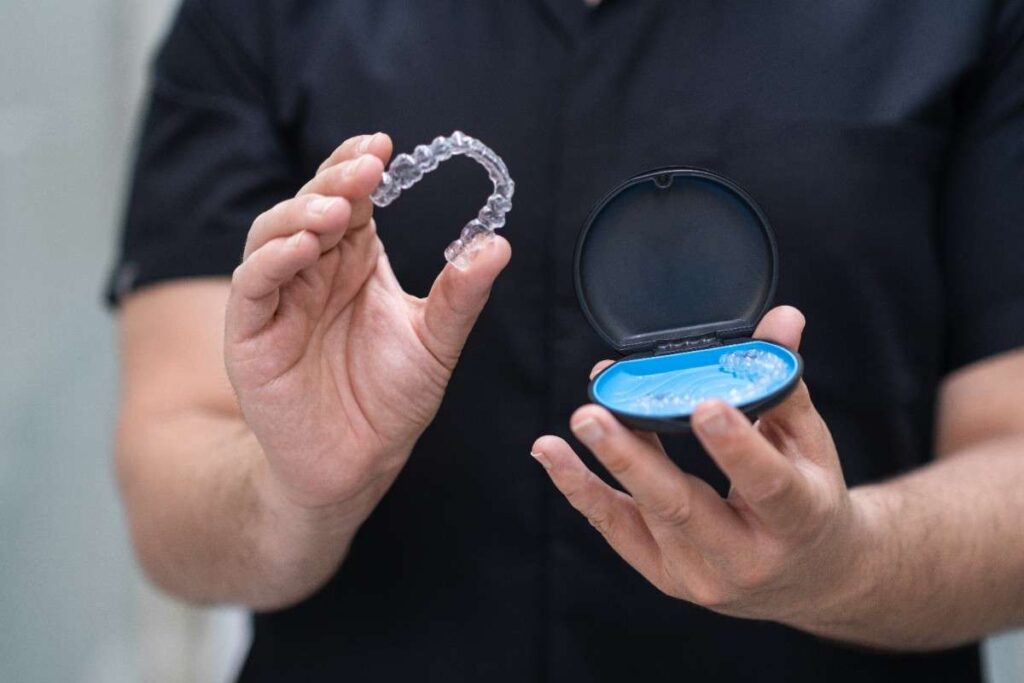
Winter in El Dorado Hills brings crisp mornings, foggy drives, and the occasional cold snap that reminds us how quickly temperatures can shift. Seasonal changes can be refreshing, but for individuals who rely on Invisalign, a sudden drop in temperature can become a surprising threat to treatment success. At Mantena Dental & Implant Centre, patients often ask how cold weather affects aligners and whether freezing temperatures can damage their progress. Just as travel, diet, and lifestyle habits require thoughtful planning, so does weather protection when it comes to Invisalign. If you have ever wondered how to safeguard your Invisalign trays from the deep chill of winter, you are not alone. This comprehensive guide brings together expert insights, practical winter strategies, and a full breakdown of how temperature affects aligner quality. Throughout this blog, you will also discover helpful internal resources, such as our detailed Invisalign page and our wide range of services, so that you can stay informed about every step of your journey. Much like preparing your vehicle or home for seasonal changes, taking the right steps to shield your aligners keeps your treatment efficient and predictable. Cold conditions can influence the flexibility and stability of the aligner material. While Invisalign is engineered to withstand everyday wear and tear, extreme environments can test its resilience. When you understand how to handle your aligners in colder weather, you gain greater confidence and control over your treatment outcome. In this blog, we will explore how winter weather interacts with Invisalign material, how to prevent damage, and what strategies are recommended during cold snaps. You will also find essential seasonal advice woven throughout, including how to wear aligners consistently for 23 to 24 hours a day, how temperature exposure affects comfort, and how taking simple precautions can keep tray integrity intact all season long. Why Cold Weather Matters for Invisalign Wearers Most people know that heat can warp plastic. Still, few realize that extreme cold can also cause materials to lose flexibility. Invisalign trays are made from a specialized, medical-grade thermoplastic engineered for comfort and resilience. While durable, the trays can become more rigid when exposed to harsh cold conditions. Rigid aligners may not fit as comfortably, which can affect the micro-movements needed for accurate tooth alignment. This is where winter care comes into play, especially during weather fluctuations. When temperatures shift rapidly, the trays can contract slightly, making them feel tighter or less flexible. Dr. Rakesh Mantena’s tips for Invisalign care in cold weather include understanding how temperature fluctuations influence aligner fit and knowing how to keep trays safe from cold air exposure. Wearing aligners consistently remains the foundation for effective treatment, but learning proper winter habits helps maintain that consistency even on frosty mornings or during sudden cold snaps. Understanding Temperature Sensitivity: A Look at Aligner Material To appreciate why cold weather requires extra attention, it helps to explore how aligner material reacts to different temperature ranges. The thermoplastic used in Invisalign is intentionally designed to respond to slight temperature changes. This responsiveness ensures the aligners adapt comfortably to your mouth, creating a secure fit for tooth movement. However, extreme cold can shift this temperature balance. When the tray is chilled beyond its normal range, it becomes more inflexible. If left exposed long enough, the tray can lose its precise shape, compromising its ability to move teeth as intended. Protecting Invisalign trays from temperature changes – Dr. Rakesh Mantena recommends staying mindful of how quickly aligners can react to cold environments, especially when transitioning between indoor and outdoor spaces. At Mantena Dental & Implant Centre, patient education is an essential part of treatment. The more you understand how aligners respond to cold weather, the easier it becomes to implement preventive strategies that protect treatment progress. Cold Snap Challenges: What Happens When Aligners Get Too Cold Winter conditions can create several scenarios that put aligners at risk. For instance, stepping outside on a frosty morning, holding the aligners near drafty windows, or exposing them to cold surfaces can temporarily affect their shape. Here are the most common issues Invisalign wearers face during cold snaps: 1. Increased Rigidity Cold temperatures make aligners feel stiffer. Although temporary, this stiffness can make the tray feel uncomfortable during the initial minutes of wearing. 2. Reduced Flexibility Flexibility is essential for the tray to form to your teeth. When trays become overly cold, they may not mold as comfortably until they warm back up to body temperature. 3. Potential Micro-Distortion While rare, prolonged exposure to freezing temperatures can cause minor distortions that compromise aligner precision. Dr. Rakesh Mantena’s advice on Invisalign during the winter months emphasizes being aware of these risks and taking simple daily steps to keep aligners at a safe and stable temperature. Learn the Winter Invisalign Care Tips From Dr. Rakesh Mantena Cold weather presents unique challenges, but with thoughtful habits, you can protect your trays throughout the season. Learn the winter Invisalign care tips from Dr. Rakesh Mantena to keep your trays functioning optimally even during sudden temperature drops. These recommendations integrate seamlessly into your daily routine and help maintain proper tray structure, ensuring your treatment stays on track. 1. Store Aligners in Their Case When Not in Use Even during cold weather, your aligner case offers essential protection. Hard plastic cases insulate better than open air and help shield Invisalign trays from sudden temperature exposure. 2. Hold Aligners Close to Your Body When Outside If you need to briefly remove your aligner case from your bag or pocket while outdoors, keeping it close to your body helps maintain a stable temperature. 3. Avoid Leaving Aligners Near Car Windows or Drafty Areas Cars can drop to near freezing quickly, especially overnight. Keeping your aligners away from car interiors prevents exposure to unregulated temperatures. 4. Wear Aligners for 23 to 24 Hours Daily Consistent wearing time prevents unnecessary temperature fluctuations. The warmth of your mouth naturally keeps trays at a safe temperature. 5. Eat and Drink While Wearing Aligners According to Your
Candy Cane Caution: Christmas Treats That Can Stain Your Invisalign Aligners

The holiday season in El Dorado Hills brings cheerful lights, cozy gatherings, and plenty of sweet temptations. From candy canes to peppermint bark, festive treats are everywhere you turn, making it even harder to maintain the clarity of your Invisalign. Although clear aligners blend seamlessly with your smile, holiday candies can tint the material, causing discoloration that affects both appearance and confidence. At Mantena Dental and Implant Centre, many patients look forward to celebrating the holidays while continuing to make progress with their treatment. This is why the team encourages thoughtful habits that help keep your aligners clear throughout the season. With guidance from Dr. Rakesh Mantena, a trusted provider known for precision care and advanced solutions, including All-on-4 dental implants, patients learn that enjoying holiday sweets does not require sacrificing the clarity of their aligners. In this blog, you will learn how Christmas treats affect clear aligners, how stains develop, why certain candies pose higher risks, and what habits can protect your investment. Most importantly, you will discover expert-approved insights such as Dr. Rakesh Mantena’s tips for Invisalign and holiday candies, and you will also find Dr. Rakesh Mantena’s advice on keeping Invisalign clear while still indulging in festive moments. The Holiday Season and Your Clear Aligners Invisalign aligners are made from transparent, medical-grade plastic, making them almost invisible throughout treatment. While resilient, this material is not immune to staining. Christmas candies often contain dyes, sticky sugars, and concentrated colorants that cling to the surfaces of aligners. This becomes especially relevant during December when many people eat and drink while wearing aligners at gatherings, office parties, and family events. This season emphasizes convenience. With so many social situations happening throughout the month, sweets are often enjoyed quickly and effortlessly. When aligners are exposed to colorful drinks or festive treats, pigments can linger, leading to visible discoloration. This is one of the primary reasons why patients look for Preventing aligner stains during festive treats with Dr. Rakesh Mantena. Rather than avoiding holiday treats entirely, understanding how different sweets behave and affect your aligners can help you enjoy your celebrations without stress. Common Christmas Candies That Can Stain Invisalign Aligners Below are some of the most common holiday treats that can stain Invisalign aligners, along with what you should know about them. 1. Candy Canes Candy canes are the iconic symbols of the season. Their vibrant red coloring is what makes them so festive, but it is also the reason they stain. When you eat candy canes while wearing aligners, the dye can transfer directly onto the plastic surface. This specific concern is why many patients appreciate how Christmas sweets affect clear aligners – Dr. Rakesh Mantena and use the guidance to plan their snack choices with care. 2. Peppermint Bark This seasonal favorite can be deceiving because its white chocolate looks harmless. However, the peppermint topping usually contains red food coloring that dissolves quickly. If you are wearing aligners for the recommended 23 to 24 hours, even short exposure can leave a tint behind. 3. Hot Cocoa with Toppings Hot cocoa is a cozy winter treat, but its dark base, combined with marshmallow dyes or chocolate drizzle, can easily stain aligners. Holiday versions often use colored sprinkles, syrup, and decorative powders that intensify staining potential. A helpful reference for avoiding similar issues is MouthHealthy’s guide to avoiding holiday cavities, which includes insights into the effects of sugary drinks on oral surfaces. 4. Cranberry-flavored Sweets Cranberry chews and gummies are highly pigmented. Even natural fruit colorants can stain aligners due to their acidity and concentration. Sticky textures create longer contact, increasing the risk of discoloration. 5. Red Velvet Cookies Red velvet treats rely heavily on food dye, which can seep into aligner surfaces with contact. Because these cookies are common at holiday dessert tables, taking a moment to consider potential staining can help preserve your aligners. Why Do Christmas Treats Stain Invisalign? Holiday treats often contain concentrated dyes, sugars, and sticky textures. When combined, these factors create the perfect environment for staining. Even if aligners are durable, the porous nature of their plastic formulation allows pigments to adhere to the surface when repeatedly exposed to light. Patients who eat and drink while wearing aligners also face challenges with temperature changes. Warm beverages can soften the aligner material slightly, making it more susceptible to pigment absorption. This is why the team at Mantena Dental and Implant Centre provides seasonal guidance, such as Dr. Rakesh Mantena’s tips for enjoying Christmas treats safely, which empowers patients to understand how staining occurs and what habits prevent it. How to Enjoy Holiday Treats Without Staining Your Invisalign Aligners You can still enjoy festive sweets while keeping your aligners clear. These strategies incorporate Learn the holiday aligner care tips from Dr. Rakesh Mantena, allowing patients to celebrate confidently. Sip Water Regularly Drinking water helps reduce the buildup of sugar and dyes on your aligners. It creates a cleansing effect, minimizing the pigment contact time. Rinse Between Treats Rinsing your mouth briefly with water after sugary or colored Christmas treats helps reduce residue and lower the risk of staining. Choose Less Pigmented Options When Possible Some holiday sweets are lighter and less likely to tint aligners. For example, shortbread cookies, vanilla treats, and white chocolate options without colored toppings are safer choices. Try Clear Beverages at Gatherings Holiday drinks like mulled wine, punch, and hot cider contain dark pigments. Clear beverages significantly reduce staining risks and support overall oral health. Additional considerations for beverage choices during cold weather can be found in MouthHealthy’s cold and flu seasonal guide, which discusses how certain drinks influence the mouth. Keep a Consistent Routine Maintaining your hygiene throughout the holiday season is essential. Gentle habits help keep aligners clean, even when enjoying sweets frequently. Patients who rely on Dr. Rakesh Mantena’s advice on caring for Invisalign during holidays find that maintaining consistency makes all the difference. Expert Holiday Advice for Invisalign Patients in El Dorado Hills Dr. Rakesh Mantena encourages patients
What’s an Invisalign Case? Everything You Need to Know About Care and Storage

The world of clear aligner treatment has grown quickly, giving patients a discreet and comfortable path toward a better smile. While the aligners themselves get most of the attention, the small, often-overlooked Invisalign case plays an important role in treatment success. Understanding how to use this simple storage accessory is essential for anyone who wants to keep their trays clean, fresh, and protected throughout their journey. At Mantena Dental & Implant Centre in El Dorado Hills, CA, patients often have questions about keeping their aligners clean and safe, especially while out for the day, at work, or on the road. Much like travelers rely on smart packing strategies to protect their essentials, aligner users depend on proper storage habits to safeguard their trays. Even trusted organizations like MouthHealthy emphasize the importance of good dental habits during daily routines and travel, which aligns perfectly with the day-to-day care needed for aligners. For example, these helpful travel tips can guide anyone who wants to keep their smile healthy during busy schedules. The same attention to cleanliness and protection applies to aligners, making the right case and proper storage routine indispensable. In this blog, you will learn why the Invisalign case matters, simple ways to maintain it, how to use the Invisalign case properly, and what to do if you misplace it. You will also learn helpful Aligners travel care tips, practical cleaning advice, and an Invisalign case care guide from Dr. Rakesh Mantena to support your treatment success. What Exactly Is an Invisalign Case and Why Is It Important? An Invisalign case is a compact, durable storage container designed specifically to protect clear aligner trays. Although it may seem like a simple accessory, it plays a meaningful role in treatment safety and hygiene. The case helps shield aligners from dust, bacteria, heat, and physical damage. This is especially important, since aligners must be worn 23 to 24 hours a day to keep treatment on track. A case also helps prevent accidental loss. Many patients set their trays down on a napkin or countertop while doing daily tasks, only to return later and discover they have been thrown away or misplaced. Because of these risks, using the Invisalign case every time you take your trays out temporarily is a small habit that brings big benefits. Patients at Mantena Dental & Implant Centre frequently ask how to protect their aligners during busy routines, dining out, and long workdays. Clear aligner therapy is meant to blend seamlessly into life, so having a reliable case with you at all times is part of making treatment easy, practical, and hygienic. Why Proper Storage Matters During Treatment Treatment progress depends on consistency. If aligners become damaged, lost, or contaminated, it can interrupt your progress or make aligner wear uncomfortable. This is why the Invisalign case remains one of the most important accessories throughout the journey. Here are a few reasons proper storage matters: 1. Protection from Bacteria Leaving aligners exposed to surfaces invites bacterial contamination. A tightly sealed case keeps trays cleaner and fresher throughout the day. 2. Protection from Heat Aligners can warp if exposed to high temperatures. A sturdy case helps shield them from accidental heat sources during daily life. 3. Reduced Risk of Loss A designated storage spot makes trays easier to find. Lost Invisalign case solutions become unnecessary when you rely on your case consistently. 4. Long-term Comfort Clean trays feel better and remain clearer, contributing to a confident smile during treatment. Good storage habits are the foundation of keeping aligners clean and safe, something every clear aligner patient should master early in their journey. Daily Care Tips to Keep Your Invisalign Case Fresh Your case needs attention just as much as your aligners. Many patients ask for a Learn how to clean your Invisalign case guide that is quick, simple, and effective. Below are practical steps to maintain your case with ease: Rinse Your Case Daily Use warm water to wash away debris and keep the inside fresh. This should be done at least once every day. Use Mild Soap Gentle soap can help remove lingering odors or film. Be sure to rinse thoroughly so no residue transfers onto your aligners. Let the Case Fully Dry Keeping the inside dry prevents trapped moisture that can encourage odors. Deep Clean Weekly A deeper wash once a week helps maintain long-term freshness. A toothbrush dedicated solely to cleaning your case works well. The Invisalign case hygiene guide by Dr. Rakesh Mantena emphasizes consistent cleaning to prevent bacteria buildup and maintain clarity and comfort. How to Use Invisalign Case Properly During Your Day When you are out running errands, working, or spending time with friends, your Invisalign case is your most reliable companion. Here are simple tips to ensure you use it correctly. Keep the Case with You Slip your case into your pocket, purse, or backpack so it is always accessible. This prevents moments when you need to set trays down without protection. Store Aligners Immediately Any time your trays are removed for a moment, place them in the case right away. It reduces the risk of losing them or contaminating them with debris. Do Not Wrap Aligners in Napkins This is one of the most common causes of accidental loss. The case is specifically designed to provide a safe place for them. Avoid Loose Car or Bag Storage Loose storage in bags can cause bending or scratches. The case keeps them secure and protected. These simple Invisalign case maintenance tips keep everything organized and ensure aligners stay in the best possible condition throughout the day. Eating and Drinking During Treatment Many patients wonder whether they can enjoy their favorite snacks or beverages while wearing aligners. At Mantena Dental & Implant Centre, patients are reassured that they can eat and drink while wearing aligners, provided they maintain excellent cleaning and storage habits. Since alignment progress depends on long wear times, every patient must commit to 23 to 24 hours of daily use. Suppose you