
Teeth Grinding, Jaw Clicking, Headaches — Could Botox Help You?

Meet Dr. Rakesh Mantena Dr. Rakesh Mantena, DDS, is the lead dentist at Mantena Dental & Implant Center and brings over 20 years of experience in providing patient-focused dental care. He earned his dental degree from the University of Southern California and has practiced dentistry internationally in the United Kingdom and India, giving him a broad and well-rounded clinical perspective. Dr. Mantena focuses on dental implants and restorative care, helping patients restore function, comfort, and confidence in their smiles. He believes in clear communication, gentle care, and treatment plans tailored to each patient’s goals. Outside the office, he enjoys spending time with his family and staying up to date with the latest advancements in dentistry. You wake up, and before your feet even hit the floor, your jaw already feels tight. Maybe there’s a dull ache spreading across your temples, or your partner mentions, again, that grinding sound coming from your side of the bed. If this sounds familiar, you are not imagining it, and you are certainly not alone. Millions of people deal with teeth grinding, jaw clicking, and tension headaches without realizing these symptoms are often connected, and more importantly, treatable. What if the solution wasn’t another mouthguard gathering dust in your nightstand drawer, but a simple, quick treatment you may already associate with smoothing wrinkles? Botox has quietly become one of dentistry’s most effective tools for easing jaw tension and the headaches that come with it. Let’s explore how it works and whether it might be the relief you have been searching for. What Causes Teeth Grinding? Teeth grinding and jaw clenching can happen for several reasons. Stress is one of the most common triggers, but it is not the only factor. Bite alignment, sleep habits, jaw muscle overactivity, certain medications, lifestyle habits, and temporomandibular joint concerns may also play a role. If you are looking to relieve jaw clenching at El Dorado Hills, a professional dental evaluation can help identify the cause of your symptoms and guide you toward the right treatment option. Some patients clench their jaw during the day while concentrating, working, driving, or feeling anxious. Others grind their teeth at night without realizing it. Over time, this repeated pressure can strain the jaw muscles and place excess force on the teeth. Common signs of teeth grinding include: If these symptoms sound familiar, it may be time to speak with a dentist about the cause of your discomfort. Understanding the Connection Between Grinding, Clicking, and Headaches Teeth grinding, known clinically as bruxism, often happens unconsciously, especially during sleep. Stress, misaligned bites, and even certain sleep disorders can trigger the jaw muscles to clench and grind with surprising force. Over time, this constant strain doesn’t stay isolated to your teeth. It radiates outward, tightening the muscles around your jaw joint and creating that telltale clicking or popping sensation when you open and close your mouth, which is why some patients consider dental Botox at Mantena Dental for jaw tension related to bruxism. The temporomandibular joint, or TMJ, connects your jawbone to your skull and works overtime when bruxism is at play. When this joint and its surrounding muscles are overworked, the tension frequently travels upward, settling into the temples, forehead, and even the back of the neck. This is why so many people with jaw issues also struggle with frequent headaches that feel strangely resistant to typical pain relievers. How Botox Steps In Botox works by temporarily relaxing the overactive muscles responsible for clenching and teeth grinding at night. When injected into specific points around the jaw, primarily the masseter muscle, which is the main muscle used for chewing, Botox reduces the intensity of muscle contractions. This means less grinding force, less strain on the TMJ, and ultimately, less tension building up into a headache. Unlike a nightguard, which protects your teeth but doesn’t address the underlying muscle activity, Botox works at the source. It calms the muscle itself, giving your jaw a genuine break rather than simply cushioning the damage caused by grinding. What Treatment Actually Looks Like If you’re picturing a long, complicated procedure, you can relax. A TMJ Botox session at El Dorado Hills for jaw tension typically takes about 15 to 20 minutes. Dr. Rakesh Mantena will assess your jaw muscles, identify the specific points causing the most strain, and administer a series of small injections directly into those areas. There’s no downtime involved, and most patients return to their normal activities immediately afterward. Results aren’t instant. Most people notice a gradual easing of muscle tension over three to seven days, with full effects settling in within two weeks. The relief typically lasts three to four months, after which a follow-up treatment can help maintain the results. The Benefits Beyond Pain Relief While headache and jaw pain relief are the most immediate benefits, many patients also notice other improvements. Reduced grinding means less wear and tear on your teeth, which can protect your enamel and reduce the risk of cracked or chipped teeth over time. Some patients also notice a softening of the jawline, since a less overworked masseter muscle can appear less bulky, an effect often described as a pleasant side benefit rather than the primary goal. Sleep quality often improves as well. When the jaw isn’t clenching all night, the body experiences fewer disruptions, allowing for deeper, more restorative rest. Better sleep, in turn, tends to reduce overall stress and tension throughout the day, creating a positive cycle rather than the frustrating loop many bruxism sufferers know all too well. To explore relief options, you can book a TMJ consultation. Is Botox Right for You? Botox for jaw tension is generally a good option for adults dealing with chronic teeth grinding, persistent jaw clicking, or recurring tension headaches that haven’t responded well to other treatments, such as mouthguards or stress management techniques. It’s especially helpful for those who have tried multiple approaches without lasting relief. That said, every case is different. During a consultation, Dr. Mantena will review
Laser Treatment for Mouth Sores: What to Expect at Mantena Dental
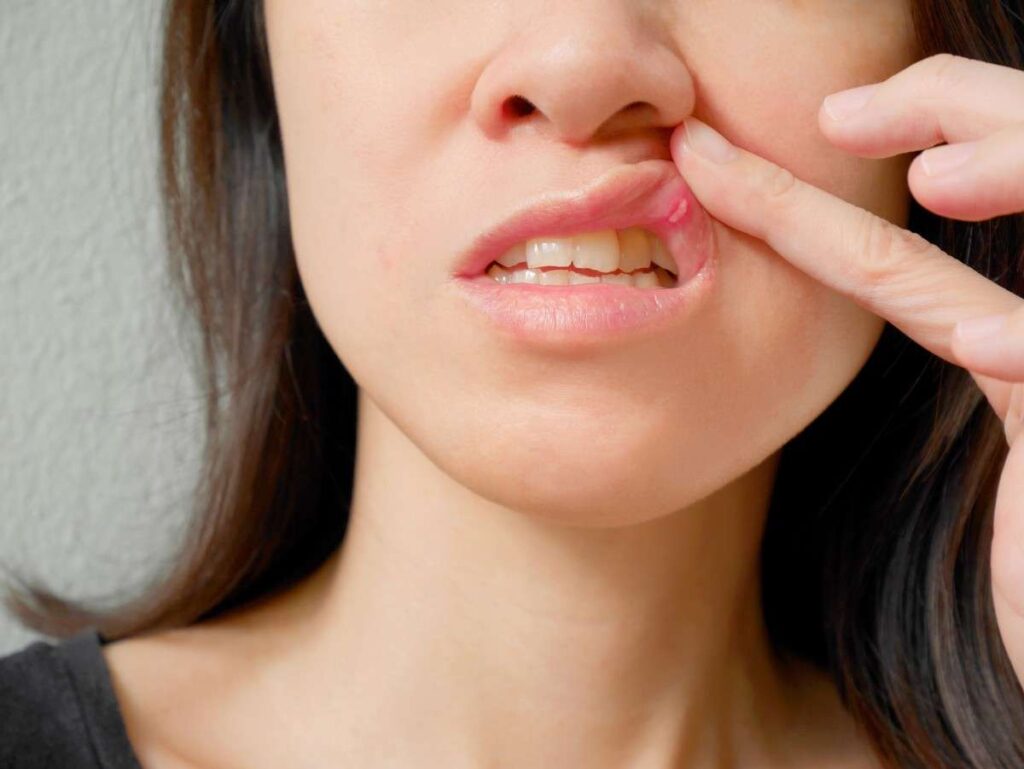
Meet Dr. Rakesh Mantena Dr. Rakesh Mantena, DDS, is the lead dentist at Mantena Dental & Implant Center and brings over 20 years of experience in providing patient-focused dental care. He earned his dental degree from the University of Southern California and has practiced dentistry internationally in the United Kingdom and India, giving him a broad and well-rounded clinical perspective. Dr. Mantena focuses on dental implants and restorative care, helping patients restore function, comfort, and confidence in their smiles. He believes in clear communication, gentle care, and treatment plans tailored to each patient’s goals. Outside the office, he enjoys spending time with his family and staying up to date with the latest advancements in dentistry. Introduction Imagine waking up one morning to find a painful little sore in your mouth that makes eating, drinking, and even talking feel like a challenge. Sound familiar? Mouth sores are one of those frustratingly common problems that most people brush off as “just one of those things,” suffering through days or even weeks of discomfort while waiting for them to heal on their own. But what if you did not have to wait? What if there was a faster, virtually painless, and highly effective solution sitting right in your dentist’s office? Welcome to the world of laser treatment for mouth sores, a revolutionary approach that is changing the way patients experience dental care. At Mantena Dental & Implant Center, Dr. Rakesh Mantena and his team are bringing cutting-edge laser technology right to your doorstep, so you can say goodbye to the agony of mouth sores sooner than you ever thought possible. Whether you are dealing with a stubborn canker sore, a cold sore, or any other type of oral lesion, laser therapy is quickly becoming the gold standard in treatment, and for very good reason. Let us walk you through everything you need to know about laser treatment for mouth sores and what your experience will look like at Mantena Dental & Implant Center. What Are Mouth Sores and Why Do They Occur? Mouth sores are ulcers or lesions that form on the soft tissues inside the mouth, including the cheeks, tongue, gums, lips, and the roof or floor of the mouth. They can range from mildly annoying to severely painful, and they come in several forms. If these sores persist or become uncomfortable, seeking treatment for mouth sores at Mantena Dental can help identify the cause and provide appropriate care. Regardless of the cause, mouth sores are uncomfortable and can significantly affect your quality of life. That is where laser therapy steps in as a game changer. What Is Laser Treatment for Mouth Sores? Laser treatment, also known as low-level laser therapy (LLLT) or photobiomodulation therapy, uses specific wavelengths of light to directly target the affected tissue. In dentistry, soft tissue lasers are most commonly used to treat oral ulcers and sores. The laser energy stimulates cellular repair, reduces inflammation, eliminates harmful bacteria, and accelerates the natural healing process, making it an effective option for cold sore laser treatment. Unlike traditional treatments that rely on topical gels, medicated rinses, or oral medications, laser therapy treats the sore at a deeper cellular level. The result? Faster healing, significant pain relief, and a dramatically reduced chance of recurrence. At Mantena Dental & Implant Center, Dr. Rakesh Mantena uses state-of-the-art dental laser technology to ensure that every patient receives the most precise and comfortable care possible. Why Choose Laser Treatment Over Traditional Methods? There are several compelling reasons why laser therapy far outpaces conventional treatments for mouth sores. What to Expect at Mantena Dental & Implant Center If you are visiting Mantena Dental & Implant Center for laser treatment of a mouth sore, here is a step-by-step guide to your appointment. Dr. Rakesh Mantena will begin with a thorough examination of the affected area. He will assess the type, size, and severity of the sore and discuss your medical history, including any underlying conditions or recurring patterns. This helps him determine the most appropriate laser protocol for your specific situation. No injections or anesthesia are typically required for laser treatment of mouth sores. The area may be gently dried before the laser is applied. You will be provided with protective eyewear to shield your eyes from the laser light. Dr. Mantena will gently apply the laser handpiece directly over the sore. The laser energy is delivered in a controlled and precise manner, targeting only the affected tissue while leaving the surrounding healthy tissue completely unharmed. The session typically lasts between 2 and 5 minutes per sore. Patients often notice that the pain associated with the sore diminishes almost immediately, making laser cold sore treatment in El Dorado Hills a comfortable and effective option for relief. After the procedure, there is no downtime. You can resume your daily activities right away. Dr. Mantena will provide you with simple aftercare guidelines, such as avoiding extremely hot or spicy foods for the first day or two and maintaining good oral hygiene. For larger or more persistent sores, a follow-up session may be recommended. Dr. Mantena will advise you based on your individual progress and healing response. Real Stories, Real Community Impact Patients often share that their dental journeys are transformative, both physically and emotionally. These stories reflect the trust built through transparency, innovation, and patient-first care. For directions, use the helpful Google Map or get step-by-step navigation through Get Directions. Frequently Asked Questions 1. Is laser treatment for mouth sores painful?No, the procedure is virtually painless. Most patients feel only a gentle warmth or tingling sensation during the treatment. There is no need for injections or local anesthesia in most cases. 2. How many sessions will I need?Most minor mouth sores are effectively treated in a single session. Larger or more persistent lesions may require two sessions, which Dr. Mantena will discuss with you after your initial examination. 3. How quickly will I see results?Many patients experience noticeable pain relief immediately after the procedure. Healing typically progresses significantly