
Struggling with Misaligned Teeth? Try Invisalign in El Dorado Hills
Meet Dr. Rakesh Mantena Dr. Rakesh Mantena, DDS, is the lead dentist at Mantena Dental & Implant Center and brings over 15 years of experience in providing patient-focused dental care. He earned his dental degree from the University of Southern California and has practiced dentistry internationally in the United Kingdom and India, giving him a broad and well-rounded clinical perspective. Dr. Mantena focuses on dental implants and restorative care, helping patients restore function, comfort, and confidence in their smiles. He believes in clear communication, gentle care, and treatment plans tailored to each patient’s goals. Outside the office, he enjoys spending time with his family and staying up to date with the latest advancements in dentistry. Introduction A straight smile is not only about appearance. Misaligned teeth can also affect daily comfort, oral hygiene, speech, and bite function. Many people struggle with crowded teeth, gaps, or bite problems for years because they do not want traditional metal braces. Fortunately, modern dentistry now offers a more comfortable and discreet solution through Invisalign treatment. At Mantena Dental & Implant Center, Dr. Rakesh Mantena helps patients improve their smiles with personalized Invisalign treatment plans. Invisalign aligners are designed to gradually move teeth into better positions while allowing patients to continue their normal routines with confidence. What Causes Misaligned Teeth? Misaligned teeth can happen for many different reasons. Some people naturally develop crowded or crooked teeth because of genetics. Others may experience shifting due to tooth loss, thumb sucking during childhood, jaw growth patterns, or bite problems. In some cases, wisdom teeth can contribute to crowding. Poor oral habits and untreated dental issues may also affect tooth alignment over time. Even patients who previously had braces may notice their teeth shifting again if retainers were not worn consistently. Patients looking for clear aligner solutions by Dr. Rakesh Mantena can benefit from personalized treatment plans designed to improve tooth alignment and support long-term oral health. Misalignment can range from mild spacing problems to more complex bite concerns. Some of the most common issues include: Many adults believe they missed their opportunity to straighten their teeth. Still, Invisalign treatment has made orthodontic care much more convenient for adults of all ages. Why Misaligned Teeth Should Not Be Ignored Some people think crooked teeth are only a cosmetic concern, but alignment problems can also affect oral health. Teeth that overlap or crowd together are often harder to clean properly. This can increase the risk of plaque buildup, cavities, and gum disease. Bite problems may also place uneven pressure on the teeth and jaw. Over time, this can contribute to tooth wear, jaw discomfort, headaches, or difficulty chewing certain foods. Many patients explore Invisalign treatment in El Dorado Hills to improve both comfort and smile alignment. Misaligned teeth can also affect confidence. Many patients feel uncomfortable smiling in photos or speaking in social situations because they are self-conscious about their teeth. Improving alignment can help patients feel more confident while also supporting long-term oral health. Why Patients Choose Invisalign in El Dorado Hills Many patients prefer Invisalign because it fits better into modern lifestyles. Adults and teenagers often appreciate the convenience and appearance of clear aligners. Some of the biggest reasons patients choose Invisalign include: The aligners are clear and discreet, making them less noticeable than traditional braces. This allows patients to feel more confident during treatment. Traditional braces can sometimes irritate the cheeks and gums due to brackets and wires. Invisalign aligners are smooth and designed for comfort. Patients remove their aligners during brushing and flossing. This allows patients to maintain normal oral hygiene habits more easily throughout treatment. Unlike braces, Invisalign does not involve brackets or wires that can break while eating. Many patients choose Invisalign treatment for misaligned teeth in El Dorado Hills because the aligners fit more comfortably into daily routines. Patients can continue enjoying many of their favorite foods while maintaining proper oral hygiene afterward. Modern Invisalign treatment uses advanced digital technology to create personalized treatment plans. Patients can often see a preview of their expected smile improvements before treatment begins. How Invisalign Treatment Works The Invisalign process begins with a consultation and examination. Dr. Rakesh Mantena evaluates the patient’s teeth, bite, and smile goals to determine whether Invisalign is the right option. Instead of messy traditional impressions, many Invisalign cases use digital scanning technology to capture detailed images of the teeth. These scans help create custom aligners tailored to the patient’s smile. Patients considering Invisalign treatment in El Dorado Hills often appreciate the advanced digital technology used during the planning process. The digital planning process also helps patients understand how their teeth are expected to move throughout treatment. After the treatment plan is finalized, a series of custom aligners is created. Each set is designed to make gradual tooth movements. Patients wear the aligners consistently throughout the day and switch to new trays as instructed. Patients visit the dental office periodically to monitor treatment progress. These visits are usually shorter and less frequent compared to traditional braces appointments. Dr. Rakesh Mantena carefully evaluates tooth movement and makes adjustments if necessary. Some patients may require additional aligners near the end of treatment. These are commonly called refinements and help improve final tooth positioning. Refinements are a normal part of many Invisalign treatment plans. Who Is a Good Candidate for Invisalign? Invisalign can treat many mild-to-moderate orthodontic concerns. Good candidates often include patients with: However, not every patient is the same. Some severe orthodontic problems may require alternative treatment options. A professional evaluation helps determine the most appropriate treatment plan for each patient. Daily Life with Invisalign Many patients quickly adjust to life with Invisalign aligners. The trays are designed to fit comfortably while allowing patients to continue normal activities. Patients interested in clear aligner solutions by Dr. Rakesh Mantena often appreciate the convenience and flexibility of Invisalign treatment. Patients wear the aligners throughout the day and remove them during oral hygiene routines. Consistency plays a major role in treatment success. Wearing aligners as
When Should Parents Worry About Tooth Alignment?

Meet Dr. Rakesh Mantena Dr. Rakesh Mantena, DDS, is the lead dentist at Mantena Dental & Implant Center and brings over 15 years of experience in providing patient-focused dental care. He earned his dental degree from the University of Southern California and has practiced dentistry internationally in the United Kingdom and India, giving him a broad and well-rounded clinical perspective. Dr. Mantena focuses on dental implants and restorative care, helping patients restore function, comfort, and confidence in their smiles. He believes in clear communication, gentle care, and treatment plans tailored to each patient’s goals. Outside the office, he enjoys spending time with his family and staying up to date with the latest advancements in dentistry. Introduction Every parent wants to see their child grow up with a healthy and confident smile. As children grow, their teeth and jaws go through many changes. Some spacing, crookedness, and changes in bite are completely normal during childhood. However, there are times when tooth alignment problems may need professional attention. Many parents are unsure about when to worry about crooked teeth, bite problems, or uneven spacing. Some children naturally grow into better alignment as they develop. In contrast, others may develop issues that become more difficult to correct later. Knowing the warning signs early can help parents make informed decisions about their child’s dental health. Dr. Rakesh Mantena at Mantena Dental & Implant Center helps families understand how tooth alignment affects both oral health and long-term smile development. Early observation and regular dental visits can make a major difference in protecting a child’s smile. Why Tooth Alignment Matters Tooth alignment is about much more than appearance. Properly aligned teeth help children chew comfortably, speak clearly, and maintain better oral hygiene. When teeth are severely crowded or misaligned, it may become harder to brush and floss properly. This can increase the risk of cavities and gum problems over time. Understanding kids’ teeth alignment problems and solutions by Dr. Rakesh Mantena can help parents make informed decisions about their child’s long-term oral health. Jaw alignment is also important. Bite problems may place uneven pressure on the teeth and jaw joints, leading to discomfort, uneven wear, or difficulty chewing. Early monitoring allows dentists to identify potential concerns before they become more serious. What Is Considered Normal During Childhood? Children’s mouths constantly change as they grow. Baby teeth eventually loosen and fall out, while permanent teeth erupt into place. During this process, some temporary spacing or crookedness is very common. Parents often notice: In many cases, these issues improve naturally as the jaw develops and additional permanent teeth come in. However, some alignment problems may continue to worsen without treatment. This is why regular dental evaluations are important during childhood. Signs Parents Should Watch Carefully Teeth That Are Severely Crowded Mild crowding is common during development, but severe crowding may cause long-term problems. If permanent teeth do not have enough space to erupt properly, they may overlap, twist, or become trapped beneath the gums. In some cases, an early orthodontic evaluation for children in El Dorado Hills may help identify these concerns before they become more difficult to treat. Severe crowding can make brushing difficult and may increase the risk of tooth decay and gum irritation. Parents should pay attention if teeth appear heavily overlapped or if new teeth are erupting far behind or in front of existing teeth. Difficulty Biting or Chewing Children should generally be able to bite and chew food comfortably. If a child struggles to chew evenly or frequently bites the inside of the cheeks, this may indicate a bite alignment problem. Some common bite issues include: These bite problems may affect both appearance and jaw function over time. Early or Late Loss of Baby Teeth Baby teeth help guide permanent teeth into their correct positions. If baby teeth fall out too early due to injury or decay, nearby teeth may shift into the space left by the missing teeth, blocking permanent teeth from erupting correctly. Following the children’s dental care advice by Dr. Rakesh Mantena can help parents better understand how early dental development affects long-term tooth alignment. On the other hand, baby teeth that remain in place too long may also interfere with proper eruption patterns. Parents should monitor their child’s tooth development and discuss any unusual timing with their dentist. Mouth Breathing and Thumb Sucking Certain habits during childhood may affect jaw and tooth development. Prolonged thumb sucking, pacifier use, or constant mouth breathing can sometimes contribute to alignment problems. These habits may place pressure on the developing teeth and jaws, potentially leading to spacing issues or bite changes. Not every child who sucks their thumb develops orthodontic problems. Still, long-lasting habits may increase the likelihood of alignment concerns. Difficulty Speaking Clearly Speech development is closely connected to the position of the teeth and tongue. In some cases, severe alignment problems may contribute to speech difficulties or unclear pronunciation. If parents notice ongoing speech challenges along with visible bite problems, it may be helpful to schedule a dental evaluation. When Should Children First See an Orthodontic Evaluation? Many parents assume that orthodontic evaluations should wait until all permanent teeth have appeared. However, early evaluations can help identify concerns much sooner. Children often benefit from an orthodontic screening around age seven. At this age, dentists can usually identify early bite problems, concerns about jaw growth, or eruption issues. Families seeking family dental care in El Dorado Hills can benefit from early monitoring to help support healthy smile development as children grow. This does not always mean braces are needed immediately. In many cases, the dentist may monitor growth and development over time. Early observation helps create better treatment planning if future orthodontic care becomes necessary. Common Causes of Alignment Problems Tooth alignment issues may develop for several reasons. Some children inherit jaw size or tooth spacing patterns from family members. Others may develop alignment changes because of habits or injuries. Some common causes include: Understanding the cause helps dentists recommend the
Life After Invisalign: 10 Year Results, Regrets, and Lessons Learned

Meet Dr. Rakesh Mantena Dr. Rakesh Mantena, DDS, is the lead dentist at Mantena Dental & Implant Center and brings over 15 years of experience in providing patient-focused dental care. He earned his dental degree from the University of Southern California and has practiced dentistry internationally in the United Kingdom and India, giving him a broad and well-rounded clinical perspective. Dr. Mantena focuses on dental implants and restorative care, helping patients restore function, comfort, and confidence in their smiles. He believes in clear communication, gentle care, and treatment plans tailored to each patient’s goals. Outside the office, he enjoys spending time with his family and staying up to date with the latest advancements in dentistry. Introduction Finishing Invisalign feels like crossing a major milestone. You remember the first tray, the slight pressure, the regular checkups, and the excitement of seeing your teeth slowly move into place. But what happens after the last aligner comes off? What does your smile look like 10 years later? Do patients feel happy with their decision? Do they have regrets? At Mantena Dental & Implant Center, Dr. Rakesh Mantena often meets patients who completed Invisalign years ago. Some are proud of their long-lasting results. Others wish they had followed certain instructions more carefully. Life after Invisalign is not just about straight teeth. It is about sustaining results, protecting your investment, and learning from real-world experience. This blog explores what patients typically experience 10 years after Invisalign, common mistakes they discuss, and the lessons that truly matter. What Do 10 Year Invisalign Results Look Like For most patients who follow instructions, the 10-year results are very positive. Teeth remain straight, bites stay balanced, and confidence continues to grow. Invisalign works by gradually moving teeth into healthier positions. Once treatment is complete, retainers help keep everything stable. To better understand what long-term stability really looks like, you can learn about aligner treatment outcomes from Dr. Rakesh Mantena and how proper planning and maintenance support lasting results. Patients who consistently wear their retainers usually maintain their results for many years. They often say their smile still looks as good as the day treatment ended. In many cases, gum health also improves because straight teeth are easier to clean. However, teeth naturally shift over time. Aging, grinding, and skipping retainer wear can cause minor changes. This does not mean Invisalign failed. It simply means maintenance matters. The Role of Retainers After Invisalign One of the biggest lessons patients learn over 10 years is this: retainers are not optional. After Invisalign treatment, your teeth tend to return to their original position. This is called relapse. Retainers hold your teeth in place while the surrounding bone stabilizes. Many patients wear retainers consistently for the first year, then slowly become less strict. Some forget a few nights. Others stop wearing them altogether. Years later, they notice small gaps returning or slight crowding. Dr. Rakesh Mantena explains to patients that retainer wear is a lifelong commitment. Nighttime use is usually recommended long-term. It takes only a few minutes each day, but it protects years of effort. Patients who want added guidance on maintaining their results can also discover Invisalign care options with Dr. Rakesh Mantena to ensure their smile stays stable for years to come. Regrets Patients Share After 10 Years Most patients do not regret choosing Invisalign. They regret small habits they ignored. Here are the most common regrets shared after a decade. 1. Not Wearing Retainers Consistently This is the top regret. Even small gaps can return if retainers are skipped for long periods. Some patients eventually require minor retreatment. 2. Not Replacing Worn-Out Retainers Retainers wear down over time. Cracks, looseness, and thinning reduce their effectiveness. Some patients retained their retainers for longer than advised, instead of replacing them annually. 3. Ignoring Grinding or Clenching Teeth grinding can slowly shift alignment. Patients who developed grinding habits but did not address them noticed changes in their bite over time. 4. Skipping Dental Checkups Regular checkups help monitor oral health and alignment. Those who missed routine visits sometimes did not catch small shifts early. The good news is that these regrets are preventable. Lessons Learned From Long-Term Invisalign Patients After 10 years, many patients say Invisalign was worth it. But they also share valuable lessons. Lesson One: Straight Teeth Need Ongoing Care Invisalign does not end when trays stop. Maintenance continues. Retainers, cleanings, and checkups protect your smile. Lesson Two: Oral Hygiene Matters Even More Straight teeth are easier to clean. But plaque can still build up. Long-term results stay better when brushing and flossing are consistent. Lesson Three: Small Changes Can Be Corrected Early If minor shifting happens, it is easier to fix it early. Short refinement treatments are sometimes enough to realign teeth. Lesson Four: Confidence Lasts Many patients say their biggest benefit was confidence. They smile more in photos. They feel more comfortable in meetings. That confidence does not fade after 10 years. Bite Health 10 Years Later Invisalign is not only cosmetic. It also improves bite balance. A properly aligned bite can reduce uneven wear and strain on certain teeth. Patients who have had overbites, underbites, or crowding corrected often report greater chewing comfort years later. Some even notice fewer headaches if their bite was contributing to tension. Long-term bite stability depends on proper finishing and consistent retainer use. That is why choosing an experienced provider matters. To support lasting results and ongoing comfort, patients can also find post-treatment dental guidance by Dr. Rakesh Mantena to help maintain their alignment and bite health over time. Do Patients Need Invisalign Again After 10 Years In most cases, no. If retainers are worn properly, teeth remain stable. However, some patients choose small touch-up treatments. These are usually minor and much shorter than the original plan. They may involve a few aligners to correct slight shifting. Retreatment is often linked to inconsistent retainer wear rather than treatment failure. Emotional Impact 10 Years After Invisalign One surprising result many patients share
Invisalign for Seniors: Can It Improve Bite Function in Your 70’s and 80’s?

Meet Dr. Rakesh Mantena Dr. Rakesh Mantena, DDS, is the lead dentist at Mantena Dental & Implant Center and brings over 15 years of experience in providing patient-focused dental care. He earned his dental degree from the University of Southern California and has practiced dentistry internationally in the United Kingdom and India, giving him a broad and well-rounded clinical perspective. Dr. Mantena focuses on dental implants and restorative care, helping patients restore function, comfort, and confidence in their smiles. He believes in clear communication, gentle care, and treatment plans tailored to each patient’s goals. Outside the office, he enjoys spending time with his family and staying up to date with the latest advancements in dentistry. Introduction Many people believe that straightening teeth is only for teenagers or young adults. But what if you are in your 70’s or 80’s and struggling with chewing, jaw discomfort, or shifting teeth? Is it too late to improve your bite? The simple answer is no. Age alone does not stop you from improving how your teeth function. At Mantena Dental & Implant Center, Dr. Rakesh Mantena often speaks with seniors who feel frustrated about changes in their bite. Teeth may shift over time. Old dental work may no longer fit correctly. Missing teeth can affect oral balance. Invisalign can help restore better alignment and improve bite function, even later in life. Let us explore how Invisalign works for seniors and whether it can truly make a difference in your 70’s and 80’s. Why Bite Function Matters More as We Age When you are younger, your body can adapt more easily to small changes. But as you grow older, even minor bite problems can cause noticeable discomfort. Here are common bite-related concerns seniors experience: If your teeth do not meet properly, chewing becomes less efficient. Over time, this can lead to digestive issues because food is not properly broken down. Poor bite alignment can also put stress on jaw joints and surrounding muscles. In your 70’s and 80’s, maintaining function is just as important as appearance. Invisalign is not only about straight teeth. It can help bring balance back to your bite. If you are experiencing these concerns, it may be time to explore solutions that prioritize comfort and long-term oral health. Discover senior dental care options with Dr. Rakesh Mantena at Mantena Dental & Implant Center to understand whether Invisalign can help improve your bite function and daily comfort. What Is Invisalign and How Does It Work? Invisalign uses custom-made, clear plastic aligners to gradually move your teeth into better positions. Instead of metal brackets and wires, you wear removable trays that fit snugly over your teeth. Each set of aligners is worn for a specific period before switching to the next one. The movement is gentle and controlled. Over time, teeth shift into a more aligned position. For seniors, the goal is often functional improvement rather than cosmetic perfection. Dr. Rakesh Mantena carefully evaluates each patient to determine whether Invisalign can improve the alignment of the upper and lower teeth. Learn how aligners work for adults with Dr. Rakesh Mantena at Mantena Dental & Implant Center to understand how this treatment can support better bite balance and daily comfort. Can Teeth Still Move in Your 70’s and 80’s? This is one of the most common questions seniors ask. Yes, teeth can move at any age as long as the gums and bone supporting them are healthy. Orthodontic treatment is not limited to teenagers. The biology of tooth movement does not suddenly stop after a certain birthday. Learn how aligners work for adults with Dr. Rakesh Mantena at Mantena Dental & Implant Center to see how safe, guided tooth movement can improve bite function even in your 70’s and 80’s. However, seniors may have additional factors to consider: Before recommending Invisalign, Dr. Rakesh Mantena checks your overall mouth health. Healthy gums and stable bone are important for safe and predictable tooth movement. How Invisalign Can Improve Bite Function Invisalign can address several bite issues that affect seniors. 1. Correcting Overbite or Underbite When the upper or lower teeth sit too far forward, chewing efficiency decreases. Aligners can gradually reposition teeth to improve tooth alignment. 2. Closing Gaps Gaps may develop due to bone loss or shifting teeth after extractions. These spaces can trap food and make chewing uncomfortable. Invisalign can reduce these gaps in selected cases. 3. Improving Crowding Crowded teeth are harder to clean. In seniors, this can increase the risk of gum disease. By gently aligning teeth, cleaning becomes easier, and oral health may improve. 4. Balancing Uneven Wear Over the decades, certain teeth may wear down more than others. Adjusting alignment can distribute bite forces more evenly. Better bite balance can reduce strain on jaw joints and muscles. Invisalign and Dental Implants Many seniors already have dental implants, crowns, or bridges. You may be wondering whether Invisalign is still an option. Dental implants do not move like natural teeth. They stay fixed in place. However, Invisalign can often move the surrounding natural teeth to improve alignment around implants. At Mantena Dental & Implant Center, Dr. Rakesh Mantena has experience in both implant dentistry and orthodontic alignment. This combined knowledge helps him plan treatment safely when implants are involved. If you have implants and are considering alignment, get in touch with Dr. Rakesh Mantena for dental guidance and personalized advice. Each case is unique. Some seniors may need small adjustments. Others may need a more structured plan. Comfort Considerations for Seniors Comfort is a major concern for older adults. Traditional braces can feel bulky and may irritate soft tissues. Invisalign trays are smooth and custom-fitted. Many seniors prefer them because: There may be mild pressure when switching to a new set of aligners. This is normal and usually temporary. Dr. Rakesh Mantena closely monitors progress to ensure the treatment remains comfortable and safe. How Long Does Treatment Take for Seniors? Treatment length varies based on complexity. Some seniors may only need
Does Intermittent Fasting Affect Invisalign Results?

Meet Dr. Rakesh Mantena Dr. Rakesh Mantena, DDS, is the lead dentist at Mantena Dental & Implant Center and brings over 15 years of experience in providing patient-focused dental care. He earned his dental degree from the University of Southern California and has practiced dentistry internationally in the United Kingdom and India, giving him a broad and well-rounded clinical perspective. Dr. Mantena focuses on dental implants and restorative care, helping patients restore function, comfort, and confidence in their smiles. He believes in clear communication, gentle care, and treatment plans tailored to each patient’s goals. Outside the office, he enjoys spending time with his family and staying up to date with the latest advancements in dentistry. Introduction When people start Invisalign, they often focus on aligners, appointments, and the final smile. But daily habits matter just as much. One habit that has become very common is intermittent fasting. Many patients follow it for weight control, better energy, or overall health. Then a question comes up naturally. Will intermittent fasting affect Invisalign results? At Mantena Dental and Implant Center, patients often ask how their lifestyle choices fit into their treatment. Under the care of Dr. Rakesh Mantena, the focus is always on making treatment simple, practical, and easy to follow in real life. The good news is this. Intermittent fasting does not harm Invisalign results when done correctly. In fact, for some people, it makes things easier. But there are a few important things you need to understand to avoid mistakes. Let us break it down and look at it realistically. Understanding Invisalign in Daily Life Invisalign works through consistency. Each aligner is designed to move your teeth step by step. For that to happen properly, you need to wear them for most of the day. The general rule is simple. Wear your aligners for about 23 to 24 hours a day. The remaining time is for eating, drinking anything other than water, and cleaning your teeth. This is where lifestyle comes into play. If your routine makes it hard to wear aligners consistently, your results may slow down. If your routine supports better wear time, your results may stay on track or even improve, especially when understanding Invisalign and eating schedules with Dr. Rakesh Mantena. What Is Intermittent Fasting? Intermittent fasting is not about what you eat. It is about when you eat. Most people follow patterns like: This changes how often you remove your aligners. And that directly connects to your Invisalign progress. The Connection Between Fasting and Aligners Here is the key point. Invisalign depends on how long you wear your aligners, not how often you eat. Intermittent fasting usually reduces the number of meals. That means fewer times you remove your aligners, and Invisalign and eating schedules with Dr. Rakesh Mantena play an important role in maintaining consistency. This helps you maintain better wear time. For example: Less removal means more consistent pressure on teeth. And that is exactly what Invisalign needs. So in many cases, intermittent fasting supports better compliance. Where Problems Can Happen Even though intermittent fasting can help, there are still some risks if not handled properly. 1. Long Eating Windows Some people stretch their eating window too much. Instead of eating quickly, they eat slowly over several hours. During this time, aligners are kept out. If your aligners stay out for too long, your daily wear time drops. This can delay your progress. 2. Sugary Drinks During Fasting Many people drink flavored drinks, sugar-sweetened coffee, or juices during fasting hours. If you keep your aligners in while drinking these, it can cause problems. Sugars and acids get trapped between your teeth and aligners. This increases the risk of: 3. Poor Cleaning Routine If you eat after a long fasting period, food can easily stick to your teeth. If you rush and put the aligners back in without cleaning, bacteria can remain trapped. This can affect both your oral health and your comfort. How Intermittent Fasting Can Actually Help When done correctly, intermittent fasting can make Invisalign easier to manage. Ideal Routine for Invisalign with Fasting If you are following intermittent fasting, here is a simple way to stay on track. Does Fasting Slow Down Invisalign? No, intermittent fasting does not slow down Invisalign on its own. What slows down treatment is: If your fasting routine helps you wear aligners longer, your treatment may stay on schedule or even feel smoother. What About Hunger and Discomfort? Some patients feel slight discomfort when switching aligners. This is normal During fasting, you may notice: But this is not harmful. In fact, consistent wear helps your teeth adjust better. If discomfort increases, it is usually due to: Hydration Matters More During Fastng When you fast, hydration becomes very important .Dry mouth can increase during fasting hours. With Invisalign, dry mouth can lead to: Drink enough water throughout the day. This keeps your mouth fresh and supports overall oral health. Social and Lifestyle Balance Intermittent fasting often changes your social habits. You may eat only at specific times. This can actually make Invisalign easier: This structured routine helps many patients stay consistent without stress. When You Should Be Careful Not everyone follows fasting the same way. You should be careful if: If any of these happen, your Invisalign results may be affected. What Dentists Recommend At Mantena Dental and Implant Center, the advice is simple and practical. Your lifestyle can continue as long as it supports your treatment. Intermittent fasting is not a problem if you: Under the guidance of Dr. Rakesh Mantena, patients are encouraged to follow routines that fit their lives without compromising treatment. Tips to Make It Easy Simple habits can make a big difference. Real Stories, Real Community Impact Patients often share that their Invisalign journeys are transformative, both physically and emotionally. These stories reflect the trust built through transparency, innovation, and patient-first care. For directions, use the helpful Google Map or get step-by-step navigation through Get Directions. FAQ’s 1. Can I do intermittent
Understanding Electric-Like Tooth Pain: Diagnosis and Treatment

Meet Dr. Rakesh Mantena Dr. Rakesh Mantena, DDS, is the lead dentist at Mantena Dental & Implant Center and brings over 15 years of experience in providing patient-focused dental care. He earned his dental degree from the University of Southern California and has practiced dentistry internationally in the United Kingdom and India, giving him a broad and well-rounded clinical perspective. Dr. Mantena focuses on dental implants and restorative care, helping patients restore function, comfort, and confidence in their smiles. He believes in clear communication, gentle care, and treatment plans tailored to each patient’s goals. Outside the office, he enjoys spending time with his family and staying up to date with the latest advancements in dentistry. Introduction Have you ever felt a sudden, sharp jolt in your tooth that feels almost like an electric shock? It can stop you in your tracks, make eating uncomfortable, and even cause anxiety about your oral health. This kind of pain is different from regular tooth sensitivity or dull aches. It is quick, intense, and often unpredictable. Many people ignore it at first, hoping it will go away on its own. But electric-like tooth pain is usually your body’s way of warning you that something deeper needs attention. Understanding what causes this type of pain and how it can be treated is the first step toward relief. What Is Electric-Like Tooth Pain? Electric-like tooth pain is a sudden, sharp sensation that feels like a quick shock or stabbing pain in or around a tooth. It may last only a few seconds, but the intensity can be alarming. Unlike constant toothaches, this pain often comes and goes. Electric-like tooth pain tips from Dr. Rakesh Mantena suggest it may be triggered by simple actions like biting, drinking something cold, or even touching the affected area; in some cases, it may occur without a clear trigger. This type of pain is usually linked to nerve involvement. When the nerves inside or around your tooth become irritated or exposed, they can send intense signals to your brain, creating that electric sensation. Common Causes of Electric Tooth Pain 1. Tooth Decay Reaching the Nerve One of the most common reasons is deep tooth decay. When a cavity is left untreated, it can reach the inner part of the tooth where the nerve is located. At this stage, even slight pressure or temperature changes can cause sharp, sudden pain. 2. Cracked or Fractured Tooth A small crack in your tooth may not always be visible, but it can expose sensitive inner layers. When you bite down, the crack may open slightly, irritating the nerve and causing a quick, electric-like sensation. 3. Gum Recession When gums pull away from the teeth, the root surface becomes exposed. This area does not have the same protection as the crown, so it is more sensitive to temperature and touch. This can lead to sharp, sudden pain. 4. Tooth Sensitivity Some people naturally have sensitive teeth. Enamel wear or thinning can expose dentin, which connects directly to the tooth’s nerve. Cold drinks, hot foods, or even sweet items can trigger quick, intense discomfort. 5. Nerve-Related Conditions In some cases, the pain may not come from the tooth itself. Conditions such as trigeminal nerve irritation can cause sudden, electric-like sensations in the face and teeth. Nerve tooth pain guidance with Dr. Rakesh Mantena highlights that this type of pain is often more severe and may require specialized care. How to Recognize the Symptoms Electric tooth pain has some clear signs that set it apart from regular dental discomfort. If you notice these symptoms frequently, it is important not to ignore them. Why You Should Not Ignore This Pain It is easy to dismiss short bursts of pain, especially if they disappear quickly. However, causes of sharp electric tooth pain with Dr. Rakesh Mantena explains that the underlying issue can worsen over time. A small cavity can grow deeper. A minor crack can expand. Gum recession can progress. Ignoring the problem may lead to more serious conditions such as infections, abscesses, or even tooth loss. Early diagnosis makes treatment simpler, faster, and more effective. Diagnosis: What to Expect at the Dental Office When you visit Mantena Dental & Implant Center, the goal is to identify the exact cause of your pain. Dr. Rakesh Mantena will begin by discussing your symptoms in detail. You may be asked: A clinical examination will follow. This may include: These steps help pinpoint whether the issue is related to decay, damage, or nerve involvement. Treatment Options for Electric Tooth Pain 1. Dental Fillings If tooth decay is the cause, removing the decayed portion and placing a filling can protect the tooth and stop the pain. This is one of the simplest and most effective treatments when caught early. 2. Root Canal Treatment If the nerve inside the tooth is infected or severely irritated, a root canal may be needed. This procedure removes the damaged nerve tissue, cleans the area, and seals the tooth to prevent further issues. Dr. Rakesh Mantena explains sudden tooth pain triggers, and many patients feel immediate relief after this treatment. 3. Dental Crown For cracked or weakened teeth, a dental crown can provide strength and protection. It covers the entire tooth, preventing further damage and reducing sensitivity. 4. Desensitizing Treatments For mild sensitivity, special toothpaste or in-office treatments can help block pain signals from reaching the nerve. These treatments are useful when enamel wear or gum recession is the main issue. 5. Gum Treatment If gum recession is causing the pain, treatments may include deep cleaning or procedures to restore gum coverage. Healthy gums play a key role in protecting your teeth from sensitivity. 6. Bite Adjustment Sometimes, uneven pressure on certain teeth can lead to discomfort. Adjusting your bite can reduce stress on affected teeth and relieve pain. At-Home Care Tips While professional treatment is important, there are simple steps you can take at home to reduce discomfort. These habits can help manage symptoms and prevent further
Invisalign Before Your Wedding: A 6 Month Smile Timeline for Brides

Meet Dr. Rakesh Mantena Dr. Rakesh Mantena, DDS, is the lead dentist at Mantena Dental & Implant Center and brings over 15 years of experience in providing patient-focused dental care. He earned his dental degree from the University of Southern California and has practiced dentistry internationally in the United Kingdom and India, giving him a broad and well-rounded clinical perspective. Dr. Mantena focuses on dental implants and restorative care, helping patients restore function, comfort, and confidence in their smiles. He believes in clear communication, gentle care, and treatment plans tailored to each patient’s goals. Outside the office, he enjoys spending time with his family and staying up to date with the latest advancements in dentistry. Introduction Your wedding photos will last forever. The smiles in those photos should feel just as timeless. Many brides want to improve their smile before the big day. Still, traditional braces often feel like too much commitment or too much visibility. That is where Invisalign becomes a popular choice. At Mantena Dental & Implant Center, brides often ask one simple question. Can Invisalign make a difference before my wedding if I only have 6 months? The answer depends on planning, consistency, and understanding what is realistic. This guide walks you through a clear six-month Invisalign timeline for brides. It explains the monthly changes, what to expect emotionally and physically, and how Dr. Rakesh Mantena helps brides stay confident and comfortable throughout treatment. If your wedding date is approaching and you want a confident smile without stress, this guide is for you. Why Brides Choose Invisalign Before Their Wedding Wedding planning already involves enough decisions. Brides want smile treatment that fits into busy schedules, social events, and dress fittings. Invisalign is well-suited for this stage of life because it integrates into daily routines, making it easier to stay consistent as you plan your big day and follow the aligner timelines shared by Dr. Rakesh Mantena. Clear aligners are nearly invisible in photos and real life. Brides can attend bridal showers, engagement shoots, and fittings without feeling self-conscious. There are no wires or brackets that show when smiling. Comfort is another reason. Invisalign aligners are smooth and custom-fit. Many brides prefer them over braces because they feel gentler on the mouth. This matters during a period of stress, long days, and limited sleep. Most importantly, Invisalign allows targeted improvement. Six months may not be enough for every case. Still, many brides see noticeable changes in alignment, spacing, and smile balance within that time. Is Six Months Enough Time for Invisalign Before a Wedding Six months is not about perfection. It is about visible improvement. Invisalign works in stages. Teeth move gradually, and some movements happen faster than others. Brides with mild to moderate concerns often see meaningful progress in six months. This may include straighter front teeth, reduced crowding, or closing small gaps. For more complex cases, six months still creates a visible improvement even if treatment continues after the wedding, making it easier to discover smile planning services with Dr. Rakesh Mantena that align with your timeline. Dr. Rakesh Mantena focuses on smile priorities. For brides, the front teeth and overall smile symmetry usually matter most. Treatment planning often emphasizes what shows when you smile naturally in photos. The key is to start early and stay consistent. Aligners only work when worn as directed. Brides who commit fully often find themselves surprised by how much their smiles change in a short time. Month One: Setting the Foundation The first month is about preparation and adjustment. It starts with a consultation at Mantena Dental & Implant Center. Dr. Rakesh Mantena examines your teeth, discusses your wedding timeline, and identifies realistic goals. Digital scans are taken to map out tooth movement. These scans help plan each stage of your Invisalign journey. Brides often feel excited seeing a preview of their future smile. Once aligners arrive, the first few days involve adjustment. Teeth may feel tight or sore. This is normal. It means the aligners are working. Most brides adapt quickly and feel comfortable within a week. By the end of month one, you may not yet see dramatic changes. However, the foundation is being set. Teeth are starting to move, and your mouth is learning the rhythm of aligner wear. Month Two Early Visible Changes Begin Month two often brings the first visible improvements. Small shifts in tooth position become noticeable, especially in the front teeth. Brides often say their smile looks more even or balanced. Speech feels normal by now. Wearing aligners becomes part of your routine. Many brides forget they even have them on. This month is also about building confidence. Engagement photos or pre-wedding events often happen around this time. Brides feel relieved knowing their smile is already improving. As part of this stage, patients can access wedding dental preparation tips from Dr. Rakesh Mantena, who reviews progress and ensures the aligners fit properly. Adjustments are made if needed to keep treatment moving smoothly. Month Three Smile Definition Takes Shape Month three is a turning point. This is when many brides start receiving compliments. Teeth alignment becomes more noticeable. Gaps may look smaller. Crowding may appear reduced. Photos taken during this time often show a softer, more confident smile. Brides begin smiling wider without thinking about angles or hiding certain teeth. Emotionally, this month feels rewarding. Seeing progress makes the effort feel worth it. Brides are motivated to stay consistent, especially as the wedding date approaches. This is also when refinements may be discussed. Dr. Rakesh Mantena ensures your smile goals remain on track for the remainder of the year. Month Four: Fine-Tuning the Smile Month four focuses on detail. Major movements are often completed by now, and attention shifts to refining the smile. Teeth edges align better. The smile line looks smoother. Minor spacing issues continue to improve. Brides often report that their smiles look cleaner and more polished. This is a good time for dress fittings and makeup trials. Brides feel more
Keep Your Invisalign Clear This Winter: Dr. Rakesh Mantena’s Stain-Prevention Tips
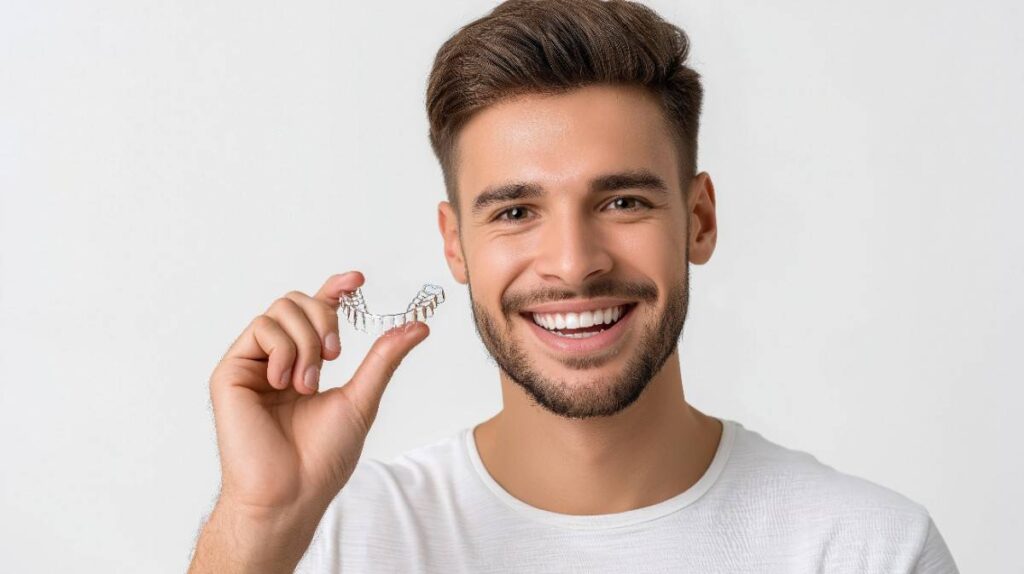
Winter in El Dorado Hills brings crisp mornings, festive gatherings, and comforting seasonal foods and beverages. While the colder months are often associated with fresh beginnings, they also introduce environmental changes that can impact daily habits, including how Invisalign trays are worn and cared for. Temperature fluctuations, dry indoor air, and seasonal drinks can all affect tray clarity if patients are not prepared. Much like winter requires thoughtful preparation to stay comfortable and healthy, maintaining clear aligners during colder months requires consistency, awareness, and informed care. At Mantena Dental & Implant Centre, patients are guided through every phase of Invisalign treatment with a focus on long-term clarity, comfort, and results. This blog shares practical, experience-backed insights designed to help patients protect Invisalign trays from stains and temperature changes. It blends seasonal awareness with professional guidance, supporting patients who want to maintain confidence and clarity throughout winter. Why Winter Care Matters for Invisalign Trays Invisalign trays are custom-crafted to guide teeth into alignment while remaining discreet and gentle. Their clarity is one of the most valued features. Yet, winter introduces habits and environmental conditions that can challenge this benefit. Hot seasonal beverages, indoor heating, and cold outdoor temperatures can all influence tray appearance and feel. Understanding Dr. Rakesh Mantena’s advice on Invisalign during the winter months helps patients adapt without disrupting daily routines or treatment progress. Patients are encouraged to wear aligners 23 to 24 hours daily, including during eating and drinking, to support predictable movement and reduce unnecessary handling. This consistent approach becomes especially important during winter schedules that may include travel, gatherings, and routine changes. Understanding Invisalign and Tray Clarity Invisalign uses a series of clear trays that fit snugly and gradually move teeth. These trays are durable, but they respond to temperature and exposure just as any precision-made dental material does. Cold air can make trays feel firmer when first inserted. At the same time, warm foods and drinks can affect surface clarity if hygiene routines are inconsistent. Learning how winter conditions interact with aligners helps patients take proactive steps. For a broader understanding of how clear aligners function, the American Association of Orthodontists provides a helpful overview here. How Cold Weather Influences Staining Risk Winter diets often include darker beverages and richly colored foods. While patients can comfortably eat and drink while wearing aligners, maintaining tray clarity depends on thoughtful habits. Seasonal factors that may increase staining risk include: This is where Dr. Rakesh Mantena’s tips for Invisalign care in cold weather become especially valuable. By understanding how winter habits influence tray appearance, patients can maintain clarity without sacrificing comfort or enjoyment. Protecting Invisalign Trays From Temperature Changes Temperature awareness is critical for winter aligner care. Sudden exposure to extreme cold can temporarily affect how trays feel, while excessive heat may impact their shape. Protecting Invisalign trays from temperature changes – Dr. Rakesh Mantena focuses on simple, realistic adjustments rather than restrictive rules. Allowing trays to naturally adapt to body temperature after insertion helps improve comfort and fit. Patients who discover how Dr. Rakesh Mantena suggests protecting Invisalign in cold weather often benefit from storing trays properly when not in use and avoiding exposure to extreme environments. Daily Habits That Support Tray Clarity in Winter Consistency is the foundation of successful Invisalign care. During winter, routines may shift, but maintaining daily habits helps protect the tray’s appearance. Helpful winter care habits include: These habits align with learn the winter Invisalign care tips from Dr. Rakesh Mantena, reinforcing clarity while supporting treatment progress. Eating and Drinking While Wearing Aligners During Winter Winter comfort foods and warm beverages are part of seasonal enjoyment. Invisalign treatment allows patients to eat and drink while wearing aligners, which supports consistent wear time and minimizes interruptions. Choosing balanced options and maintaining routine hygiene helps preserve tray clarity. This approach supports extreme weather Invisalign precautions with Dr. Rakesh Mantena, ensuring that winter indulgences do not compromise treatment goals. For additional patient education on aligner materials and care, Invisalign offers detailed guidance here. Managing Cold Snaps and Outdoor Exposure Sudden cold snaps are common during winter. While aligners are designed for daily use, extreme temperature changes can temporarily affect comfort. Patients who find Dr. Rakesh Mantena’s advice on keeping trays safe from extreme temperatures often learn that simple measures, such as avoiding prolonged exposure to freezing conditions, help maintain tray integrity. Get Dr. Rakesh Mantena’s guidance for Invisalign care during cold snaps by staying mindful of environmental changes and maintaining consistent wear routines. Building Confidence Through Consistency The winter season can feel busy and unpredictable, yet Invisalign success depends on steady habits. Wearing aligners 23 to 24 hours daily supports predictable progress and helps trays perform as intended. Patients who stay consistent often report improved comfort and fewer distractions related to tray awareness. This confidence builds momentum throughout treatment, even during colder months. Comprehensive Care at Mantena Dental & Implant Centre Mantena Dental & Implant Centre combines advanced technology with patient-centered care. In addition to Invisalign treatment, the practice is a top-rated provider for All-on-4® dental implants, offering comprehensive solutions for long-term oral health. Patients can explore the full range of care options on the Services page and learn more about the experienced team on the Meet The Doctors page. Patient Convenience and Accessibility Planning visits during winter is simple with helpful location tools. Directions are available on Google Maps, and the clinic location can be viewed there. Appointments and inquiries can be scheduled easily through the Contact Us page. Patient Experiences and Trust Patient feedback reflects real experiences and builds confidence for those considering Invisalign care. You are welcome to read or share your experience through the Share Your Review page. Conclusion Winter does not have to compromise Invisalign clarity or comfort. With seasonal awareness, consistent habits, and informed care, patients can protect their trays and enjoy treatment progress throughout colder months. At Mantena Dental & Implant Centre, patients receive guidance designed to support confidence and clarity year-round. Whether beginning treatment or navigating
Invisalign in Freezing Temperatures: Precautions Explained by Dr. Rakesh Mantena

Winter in El Dorado Hills brings crisp mornings, cooler nights, and seasonal routines that influence everyday habits. From enjoying warm beverages to commuting in chilly air, cold weather changes how people move through their day. These shifts also matter when starting or continuing Invisalign, especially when aligners are exposed to freezing temperatures. Much like winterizing a home protects it from damage, preparing for Invisalign care during colder months helps preserve comfort, clarity, and steady progress. At Mantena Dental & Implant Centre, patients receive personalized guidance designed to keep aligner wear consistent even during cold snaps. This approach helps ensure the Invisalign Timeline stays on track while aligners remain effective. This blog explains how freezing temperatures affect aligners, what precautions support success, and what to expect during a full year of treatment with clear monthly milestones. Understanding Invisalign and Why Temperature Matters Invisalign uses clear, custom-crafted aligners designed to apply gentle pressure over time. These aligners are worn consistently, ideally 23 to 24 hours each day, including when you eat and drink, to maintain steady progress. Because aligners are made from advanced materials, sudden temperature changes can influence how they feel. Exposure to freezing air or rapid shifts from warm indoor environments to cold outdoor conditions may temporarily increase firmness. This sensation usually fades as the aligners adjust to body temperature. For a broader explanation of how aligner treatment works, the American Association of Orthodontists provides helpful educational resources on clear aligners. Invisalign in Freezing Temperatures: What to Know Cold weather does not stop Invisalign progress, but it does require awareness. Aligners may feel firmer after exposure to cold air, especially during winter travel or outdoor activities. Allowing them to naturally warm helps maintain comfort. Taking seasonal precautions helps protect aligners while maintaining consistent wear. These steps are especially helpful during the early months when routines are still forming. Dr. Rakesh Mantena Guide to a 12 Month Invisalign Journey A successful Invisalign experience is built on consistency and realistic expectations. Below is a general roadmap reflecting what many patients experience during a 12-month Invisalign Timeline, with winter-focused considerations included. Months 1 to 3: Getting Started During Cooler Weather The early phase focuses on adjustment. Aligners may feel snug, and winter dryness can make sensations more noticeable. Key focus areas include: This phase aligns with “What to expect during Invisalign treatment” by Dr. Rakesh Mantena, helping patients understand early sensations and progress. Learn more about available treatment options here. Months 4 to 6: Visible Progress and Routine Stability As treatment continues, changes become more noticeable. Aligners feel familiar, and winter care habits become automatic. This stage reflects Monthly Invisalign milestones with Dr. Rakesh Mantena, where progress builds steadily through consistent wear and seasonal awareness. Maintaining hydration and protecting aligners during cold-weather outings supports comfort and clarity. Explore additional care services offered by the practice. Months 7 to 9: Refinement and Precision During this stage, aligners focus on refining alignment details. Winter conditions may feel less impactful, but consistency remains essential. This phase reflects Dr. Rakesh Mantena’s advice on Invisalign progress over 12 months, highlighting the importance of patience and steady habits. Months 10 to 12: Final Adjustments and Completion The final months involve detailed adjustments and preparation for completion. Patients often notice that early winter habits contributed to a smoother overall experience. This phase completes the Invisalign Timeline, showing how preparation and routine support predictable outcomes. Winter Specific Precautions for Invisalign Wearers Cold weather introduces unique situations that deserve attention. Avoid Sudden Temperature Changes Rapid shifts between warm indoor spaces and freezing outdoor air may affect how aligners feel. Allow them to warm naturally once indoors. Protect Aligners During Outdoor Activities Long walks, winter sports, or cold commutes can expose aligners to low temperatures. Simple storage awareness helps maintain comfort. Maintain Consistent Wear Seasonal routines can change during holidays or travel. Wearing aligners 23 to 24 hours daily, including while eating and drinking, supports steady progress. These steps align with Extreme weather Invisalign precautions with Dr. Rakesh Mantena. Discover How Dr. Rakesh Mantena Explains the 12 Month Invisalign Timeline Clear expectations help patients stay confident throughout treatment. Understanding how winter fits into the full timeline makes care feel manageable. Patients interested in comprehensive dental solutions can explore options like All-on-4 dental implants here. Invisalign Expertise at Mantena Dental & Implant Centre Mantena Dental & Implant Centre in El Dorado Hills, CA, is recognized for advanced care planning and patient-focused guidance. The clinic offers modern solutions designed to support comfort, clarity, and long-term results. Meet the care team here. Learn the Invisalign Treatment Roadmap From Dr. Rakesh Mantena A structured roadmap helps patients stay motivated and prepared, even during seasonal changes. For official information about Invisalign materials and technology, visit here. Find Dr. Rakesh Mantena’s Advice on Monthly Invisalign Progress Progress happens gradually through consistent wear and seasonal awareness. Winter does not slow results when daily habits stay strong. Get Dr. Rakesh Mantena’s Tips for a Smooth 12 Month Invisalign Journey Preparation, routine, and education make Invisalign care easier year-round, including winter. Contact and Visit Information For personalized Invisalign guidance or to schedule a consultation: Share your experience with the practice here. Conclusion Freezing temperatures do not have to complicate Invisalign care. With awareness, preparation, and consistent habits, aligners remain comfortable, and progress stays predictable throughout winter. Understanding the Invisalign Timeline, following seasonal precautions, and maintaining daily wear help support a smooth 12-month journey. At Mantena Dental & Implant Centre, patients receive guidance rooted in experience and seasonal understanding, helping Invisalign care remain clear, comfortable, and effective year-round. Key Takeaways FAQs 1. Can cold weather affect how Invisalign trays feel?Yes, freezing temperatures may make aligners feel firmer at first, but they typically return to their original feel once warmed. 2. Is it safe to wear Invisalign during outdoor winter activities?Yes, Invisalign can be worn during outdoor activities with simple precautions to protect aligners from prolonged cold exposure. 3. How many hours should Invisalign be worn during winter?Aligners should be worn for 23
How festive treats can impact your aligners – insights from Dr. Rakesh Mantena

Festive seasons bring joy, gatherings, and an abundance of colorful treats that make celebrations memorable. From holiday cookies and caramel candies to sweetened beverages and seasonal desserts, these indulgences are often central to how we celebrate together. For patients using Invisalign Aligners, however, the holiday season can also raise important questions about daily care, clarity, and long-term results. At Mantena Dental & Implant Centre in El Dorado Hills, CA, patients frequently ask how seasonal foods affect their aligners and what habits help maintain clarity and comfort during busy celebrations. This guide brings together expert insights and practical advice, helping patients enjoy festivities while staying on track with their smile goals. In this blog, you will discover how holiday sweets interact with aligners, how to reduce staining risks, and how consistent wear for 23 to 24 hours supports predictable outcomes. You will also learn how to eat and drink responsibly while wearing aligners, without compromising their appearance or function. Celebrations and Smile Care: Finding the Right Balance Holiday traditions often revolve around food. Sugary snacks, richly colored sauces, and warm beverages are common during gatherings. While these treats are enjoyable, they can influence aligner clarity and hygiene if not managed properly. This is where Dr. Rakesh Mantena’s tips for Invisalign and holiday candies become especially valuable. The goal is not to avoid celebrations but to understand how everyday choices interact with aligners during extended wear. Because aligners are worn most of the day, including while eating and drinking, thoughtful care habits help prevent buildup and discoloration. Patients seeking personalized guidance can explore the full range of options available through the clinic’s comprehensive Services page, which highlights a patient-focused approach to long-term oral wellness. Understanding Invisalign Aligners and Daily Wear Expectations Invisalign uses a series of custom-crafted clear trays designed to fit snugly over your teeth. These aligners apply gentle, consistent pressure that guides teeth into improved alignment over time. To support effectiveness, patients are advised to wear aligners 23 to 24 hours each day, even during meals and beverages. Because aligners are worn so consistently, what you consume matters, this is why understanding How Holiday sweets affect clear aligners – Dr. Rakesh Mantena has become an essential topic for patients who want to stay confident throughout the season. For a detailed overview of how aligners work and what to expect, the American Association of Orthodontists provides an excellent patient resource here. How Holiday Sweets Interact With Clear Aligners Seasonal treats often contain sugars, dyes, and sticky ingredients. When consumed while wearing aligners, these substances can increase the risk of residue buildup, staining, and odor if proper hygiene is not followed. Sugars feed oral bacteria, which may contribute to plaque accumulation. Dark colored foods such as berry desserts, chocolate sauces, or spiced beverages may also tint aligners over time. This explains why Preventing aligner stains during festive treats with Dr. Rakesh Mantena focuses heavily on awareness rather than restriction. Maintaining clarity depends on daily habits. Gentle brushing, consistent rinsing, and mindful food choices all help keep aligners looking fresh throughout the holidays. Practical Strategies for Enjoying Treats While Wearing Aligners Celebrations should feel joyful, not stressful. Patients often appreciate practical, realistic strategies that fit into social gatherings. Dr. Rakesh Mantena’s advice on caring for Invisalign during holidays emphasizes consistency and cleanliness rather than avoidance. Key habits include: These small steps make a noticeable difference over time. Patients who follow these habits often report better clarity and comfort throughout the festive season. Avoiding Stains Without Missing the Fun Staining is one of the most common concerns during holidays. Fortunately, awareness and routine care go a long way. If you want to discover how Dr. Rakesh Mantena suggests avoiding aligner stains, focus on proactive cleaning and limiting prolonged exposure to strongly pigmented foods. Regular aligner hygiene supports not only appearance but also overall oral freshness. For patients seeking additional insight into clear aligner systems and care, the official Invisalign site offers helpful education. Holiday Aligner Care Tips You Can Use Every Day Consistency is the foundation of success with clear aligners. Patients who Learn the holiday aligner care tips from Dr. Rakesh Mantena often notice smoother transitions between aligner sets and improved confidence during social events. Helpful daily practices include: These habits support predictable progress while allowing patients to participate in seasonal traditions fully. Keeping Aligners Clear Through Busy Schedules Holidays are busy, and routines often change. Travel, parties, and late nights can disrupt daily habits. Still, Dr. Rakesh Mantena’s advice on keeping Invisalign clear highlights the importance of sticking to core routines even when schedules shift. Portable cleaning solutions, extra hydration, and simple awareness help maintain clarity on the go. Many patients find that planning makes aligner care feel effortless, even during packed calendars. Enjoying Holiday Treats Safely and Confidently Celebrations should never feel restrictive. Patients who get Dr. Rakesh Mantena’s guidance for enjoying holiday treats safely often discover that aligner care blends naturally into daily life with the right mindset. Clear aligners are designed for modern lifestyles, including social events and shared meals. With mindful habits and consistent wear, patients can enjoy festive moments without compromising progress or appearance. Comprehensive Care at Mantena Dental & Implant Centre Mantena Dental & Implant Centre is known for delivering advanced, patient-centered solutions in El Dorado Hills, CA. Alongside clear aligner care, the clinic is also recognized as a top-rated provider for All-on-4® dental implants, offering transformative solutions for patients with complex needs. Patients are encouraged to explore the clinic’s full range of services, meet the experienced team through the Meet The Doctors page, or schedule a visit using the Contact Us link. For easy planning, you can find directions on Google Maps or view the clinic location directly on Google Maps. Building Trust Through Experience and Patient Feedback Experience, expertise, and transparency are essential to building confidence. Patients are always welcome to share their experiences or read others’ through the Share your Review page. Real feedback reflects the commitment to quality care and patient