
Recurrent Canker Sore Treatment in El Dorado Hills: Causes, Prevention & Laser Relief

Meet Dr. Rakesh Mantena Dr. Rakesh Mantena, DDS, is the lead dentist at Mantena Dental & Implant Center and brings over 20 years of experience in providing patient-focused dental care. He earned his dental degree from the University of Southern California and has practiced dentistry internationally in the United Kingdom and India, giving him a broad and well-rounded clinical perspective. Dr. Mantena focuses on dental implants and restorative care, helping patients restore function, comfort, and confidence in their smiles. He believes in clear communication, gentle care, and treatment plans tailored to each patient’s goals. Outside the office, he enjoys spending time with his family and staying up to date with the latest advancements in dentistry. Quick Facts About Recurrent Canker Sores Introduction Most people remember their first canker sore the way they remember a paper cut: small, sudden, and surprisingly painful for something so tiny. You bite into a slice of pizza or sip your morning coffee, and there it is, a stinging reminder that something inside your mouth has gone slightly wrong. For most people, that small ulcer heals within a week and becomes a forgettable annoyance. But for some, these sores are not a one-time event. They return again and again, sometimes monthly, sometimes even more often, turning eating, talking, and smiling into a careful negotiation with pain. If you find yourself stocking up on numbing gels and avoiding citrus fruits because you know another canker sore is probably on its way, you are dealing with what dentists call recurrent aphthous stomatitis. It is more common than most people realize, and the good news is that modern dentistry now offers solutions that go beyond simply waiting it out. If you are looking for canker sore treatment in El Dorado Hills, Mantena Dental & Implant Center offers advanced care. Dr. Rakesh Mantena helps patients understand what triggers their canker sores and offers advanced laser treatment that can ease pain almost immediately and promote faster healing. In this blog, we will walk through what canker sores actually are, why some people get them again and again, and how laser therapy is changing the way these frustrating sores are managed. Schedule a consultation What Is a Canker Sore? Causes & Symptoms A canker sore, medically known as an aphthous ulcer, is a small, shallow lesion that develops on the soft tissues inside the mouth. Unlike cold sores, which appear on the outside of the lips and are caused by a virus, canker sores form inside the mouth on the cheeks, tongue, gums, or the floor of the mouth, and they are not contagious. For patients seeking recurrent canker sore treatment in El Dorado Hills, understanding the difference between canker sores and cold sores is an important first step. These sores typically appear as round or oval ulcers with a white or yellowish center and a red, inflamed border. They can range from barely noticeable to quite large and deeply uncomfortable. Most minor canker sores heal on their own within 7 to 14 days, but larger or recurrent ones can take much longer and may leave the person with near-constant discomfort. Why Do Canker Sores Keep Coming Back? Common Triggers This is the question Dr. Rakesh Mantena hears most often from patients dealing with recurrent sores and seeking canker sore treatment in El Dorado Hills. The truth is that canker sores rarely have a single, isolated cause. Instead, they tend to result from a combination of triggers that vary from person to person. Some of the most common contributing factors include: Because so many of these triggers overlap, pinpointing the exact cause often requires a careful conversation about diet, habits, stress levels, and family history, which is exactly the kind of personalized assessment Dr. Rakesh Mantena provides during a consultation for pain-free canker sore treatment. How to Prevent Recurrent Canker Sores While not every canker sore can be prevented, certain lifestyle adjustments can significantly reduce how often they appear and how severe they become. Start by paying closer attention to your toothbrush technique. Switching to a soft-bristled brush and using gentle, controlled strokes can prevent the minor tissue trauma that often triggers a new sore. If you wear braces, retainers, or dentures, make sure they are properly fitted, since rubbing or friction from ill-fitting appliances is a common hidden trigger. Diet also plays a meaningful role. As part of helpful canker sore prevention tips, try to moderate your intake of acidic and spicy foods, especially during periods when you already feel a sore developing. Increasing your intake of leafy greens, lean proteins, and foods rich in B vitamins and iron can help address nutritional gaps that may be fueling outbreaks. Stress management deserves attention, too. Since emotional stress is a recognized trigger, building in small daily habits, such as short walks, deep breathing exercises, or simply getting consistent sleep, can make a noticeable difference over time. It is also worth reviewing your oral care products. If you notice a pattern between switching toothpaste brands and an increase in sores, consider trying a toothpaste free of sodium lauryl sulfate. This small swap may help reduce the frequency of canker sore outbreaks, especially when a triggering ingredient is contributing to irritation. Finally, and perhaps most importantly, do not dismiss frequent canker sores as something you have to live with. If you are experiencing more than 3 or 4 outbreaks a year, or if your sores are unusually large, painful, or slow to heal, it is time to talk to a dental professional rather than continuing to manage them on your own. Laser Treatment for Canker Sores in El Dorado Hills For years, the standard advice for canker sores was limited to over-the-counter numbing gels, saltwater rinses, and patience. While these methods still have their place, they do little to speed up healing or address the underlying inflammation. This is where laser treatment for canker sores in El Dorado Hills has become a genuine breakthrough for patients dealing with recurrent sores. At Mantena Dental
Teeth Grinding, Jaw Clicking, Headaches — Could Botox Help You?

Meet Dr. Rakesh Mantena Dr. Rakesh Mantena, DDS, is the lead dentist at Mantena Dental & Implant Center and brings over 20 years of experience in providing patient-focused dental care. He earned his dental degree from the University of Southern California and has practiced dentistry internationally in the United Kingdom and India, giving him a broad and well-rounded clinical perspective. Dr. Mantena focuses on dental implants and restorative care, helping patients restore function, comfort, and confidence in their smiles. He believes in clear communication, gentle care, and treatment plans tailored to each patient’s goals. Outside the office, he enjoys spending time with his family and staying up to date with the latest advancements in dentistry. You wake up, and before your feet even hit the floor, your jaw already feels tight. Maybe there’s a dull ache spreading across your temples, or your partner mentions, again, that grinding sound coming from your side of the bed. If this sounds familiar, you are not imagining it, and you are certainly not alone. Millions of people deal with teeth grinding, jaw clicking, and tension headaches without realizing these symptoms are often connected, and more importantly, treatable. What if the solution wasn’t another mouthguard gathering dust in your nightstand drawer, but a simple, quick treatment you may already associate with smoothing wrinkles? Botox has quietly become one of dentistry’s most effective tools for easing jaw tension and the headaches that come with it. Let’s explore how it works and whether it might be the relief you have been searching for. What Causes Teeth Grinding? Teeth grinding and jaw clenching can happen for several reasons. Stress is one of the most common triggers, but it is not the only factor. Bite alignment, sleep habits, jaw muscle overactivity, certain medications, lifestyle habits, and temporomandibular joint concerns may also play a role. If you are looking to relieve jaw clenching at El Dorado Hills, a professional dental evaluation can help identify the cause of your symptoms and guide you toward the right treatment option. Some patients clench their jaw during the day while concentrating, working, driving, or feeling anxious. Others grind their teeth at night without realizing it. Over time, this repeated pressure can strain the jaw muscles and place excess force on the teeth. Common signs of teeth grinding include: If these symptoms sound familiar, it may be time to speak with a dentist about the cause of your discomfort. Understanding the Connection Between Grinding, Clicking, and Headaches Teeth grinding, known clinically as bruxism, often happens unconsciously, especially during sleep. Stress, misaligned bites, and even certain sleep disorders can trigger the jaw muscles to clench and grind with surprising force. Over time, this constant strain doesn’t stay isolated to your teeth. It radiates outward, tightening the muscles around your jaw joint and creating that telltale clicking or popping sensation when you open and close your mouth, which is why some patients consider dental Botox at Mantena Dental for jaw tension related to bruxism. The temporomandibular joint, or TMJ, connects your jawbone to your skull and works overtime when bruxism is at play. When this joint and its surrounding muscles are overworked, the tension frequently travels upward, settling into the temples, forehead, and even the back of the neck. This is why so many people with jaw issues also struggle with frequent headaches that feel strangely resistant to typical pain relievers. How Botox Steps In Botox works by temporarily relaxing the overactive muscles responsible for clenching and teeth grinding at night. When injected into specific points around the jaw, primarily the masseter muscle, which is the main muscle used for chewing, Botox reduces the intensity of muscle contractions. This means less grinding force, less strain on the TMJ, and ultimately, less tension building up into a headache. Unlike a nightguard, which protects your teeth but doesn’t address the underlying muscle activity, Botox works at the source. It calms the muscle itself, giving your jaw a genuine break rather than simply cushioning the damage caused by grinding. What Treatment Actually Looks Like If you’re picturing a long, complicated procedure, you can relax. A TMJ Botox session at El Dorado Hills for jaw tension typically takes about 15 to 20 minutes. Dr. Rakesh Mantena will assess your jaw muscles, identify the specific points causing the most strain, and administer a series of small injections directly into those areas. There’s no downtime involved, and most patients return to their normal activities immediately afterward. Results aren’t instant. Most people notice a gradual easing of muscle tension over three to seven days, with full effects settling in within two weeks. The relief typically lasts three to four months, after which a follow-up treatment can help maintain the results. The Benefits Beyond Pain Relief While headache and jaw pain relief are the most immediate benefits, many patients also notice other improvements. Reduced grinding means less wear and tear on your teeth, which can protect your enamel and reduce the risk of cracked or chipped teeth over time. Some patients also notice a softening of the jawline, since a less overworked masseter muscle can appear less bulky, an effect often described as a pleasant side benefit rather than the primary goal. Sleep quality often improves as well. When the jaw isn’t clenching all night, the body experiences fewer disruptions, allowing for deeper, more restorative rest. Better sleep, in turn, tends to reduce overall stress and tension throughout the day, creating a positive cycle rather than the frustrating loop many bruxism sufferers know all too well. To explore relief options, you can book a TMJ consultation. Is Botox Right for You? Botox for jaw tension is generally a good option for adults dealing with chronic teeth grinding, persistent jaw clicking, or recurring tension headaches that haven’t responded well to other treatments, such as mouthguards or stress management techniques. It’s especially helpful for those who have tried multiple approaches without lasting relief. That said, every case is different. During a consultation, Dr. Mantena will review
Laser Treatment for Mouth Sores: What to Expect at Mantena Dental

Meet Dr. Rakesh Mantena Dr. Rakesh Mantena, DDS, is the lead dentist at Mantena Dental & Implant Center and brings over 20 years of experience in providing patient-focused dental care. He earned his dental degree from the University of Southern California and has practiced dentistry internationally in the United Kingdom and India, giving him a broad and well-rounded clinical perspective. Dr. Mantena focuses on dental implants and restorative care, helping patients restore function, comfort, and confidence in their smiles. He believes in clear communication, gentle care, and treatment plans tailored to each patient’s goals. Outside the office, he enjoys spending time with his family and staying up to date with the latest advancements in dentistry. Introduction Imagine waking up one morning to find a painful little sore in your mouth that makes eating, drinking, and even talking feel like a challenge. Sound familiar? Mouth sores are one of those frustratingly common problems that most people brush off as “just one of those things,” suffering through days or even weeks of discomfort while waiting for them to heal on their own. But what if you did not have to wait? What if there was a faster, virtually painless, and highly effective solution sitting right in your dentist’s office? Welcome to the world of laser treatment for mouth sores, a revolutionary approach that is changing the way patients experience dental care. At Mantena Dental & Implant Center, Dr. Rakesh Mantena and his team are bringing cutting-edge laser technology right to your doorstep, so you can say goodbye to the agony of mouth sores sooner than you ever thought possible. Whether you are dealing with a stubborn canker sore, a cold sore, or any other type of oral lesion, laser therapy is quickly becoming the gold standard in treatment, and for very good reason. Let us walk you through everything you need to know about laser treatment for mouth sores and what your experience will look like at Mantena Dental & Implant Center. What Are Mouth Sores and Why Do They Occur? Mouth sores are ulcers or lesions that form on the soft tissues inside the mouth, including the cheeks, tongue, gums, lips, and the roof or floor of the mouth. They can range from mildly annoying to severely painful, and they come in several forms. If these sores persist or become uncomfortable, seeking treatment for mouth sores at Mantena Dental can help identify the cause and provide appropriate care. Regardless of the cause, mouth sores are uncomfortable and can significantly affect your quality of life. That is where laser therapy steps in as a game changer. What Is Laser Treatment for Mouth Sores? Laser treatment, also known as low-level laser therapy (LLLT) or photobiomodulation therapy, uses specific wavelengths of light to directly target the affected tissue. In dentistry, soft tissue lasers are most commonly used to treat oral ulcers and sores. The laser energy stimulates cellular repair, reduces inflammation, eliminates harmful bacteria, and accelerates the natural healing process, making it an effective option for cold sore laser treatment. Unlike traditional treatments that rely on topical gels, medicated rinses, or oral medications, laser therapy treats the sore at a deeper cellular level. The result? Faster healing, significant pain relief, and a dramatically reduced chance of recurrence. At Mantena Dental & Implant Center, Dr. Rakesh Mantena uses state-of-the-art dental laser technology to ensure that every patient receives the most precise and comfortable care possible. Why Choose Laser Treatment Over Traditional Methods? There are several compelling reasons why laser therapy far outpaces conventional treatments for mouth sores. What to Expect at Mantena Dental & Implant Center If you are visiting Mantena Dental & Implant Center for laser treatment of a mouth sore, here is a step-by-step guide to your appointment. Dr. Rakesh Mantena will begin with a thorough examination of the affected area. He will assess the type, size, and severity of the sore and discuss your medical history, including any underlying conditions or recurring patterns. This helps him determine the most appropriate laser protocol for your specific situation. No injections or anesthesia are typically required for laser treatment of mouth sores. The area may be gently dried before the laser is applied. You will be provided with protective eyewear to shield your eyes from the laser light. Dr. Mantena will gently apply the laser handpiece directly over the sore. The laser energy is delivered in a controlled and precise manner, targeting only the affected tissue while leaving the surrounding healthy tissue completely unharmed. The session typically lasts between 2 and 5 minutes per sore. Patients often notice that the pain associated with the sore diminishes almost immediately, making laser cold sore treatment in El Dorado Hills a comfortable and effective option for relief. After the procedure, there is no downtime. You can resume your daily activities right away. Dr. Mantena will provide you with simple aftercare guidelines, such as avoiding extremely hot or spicy foods for the first day or two and maintaining good oral hygiene. For larger or more persistent sores, a follow-up session may be recommended. Dr. Mantena will advise you based on your individual progress and healing response. Real Stories, Real Community Impact Patients often share that their dental journeys are transformative, both physically and emotionally. These stories reflect the trust built through transparency, innovation, and patient-first care. For directions, use the helpful Google Map or get step-by-step navigation through Get Directions. Frequently Asked Questions 1. Is laser treatment for mouth sores painful?No, the procedure is virtually painless. Most patients feel only a gentle warmth or tingling sensation during the treatment. There is no need for injections or local anesthesia in most cases. 2. How many sessions will I need?Most minor mouth sores are effectively treated in a single session. Larger or more persistent lesions may require two sessions, which Dr. Mantena will discuss with you after your initial examination. 3. How quickly will I see results?Many patients experience noticeable pain relief immediately after the procedure. Healing typically progresses significantly
How Invisalign Can Improve Confidence and Self-Esteem

Meet Dr. Rakesh Mantena Dr. Rakesh Mantena, DDS, is the lead dentist at Mantena Dental & Implant Center and brings over 20 years of experience in providing patient-focused dental care. He earned his dental degree from the University of Southern California and has practiced dentistry internationally in the United Kingdom and India, giving him a broad and well-rounded clinical perspective. Dr. Mantena focuses on dental implants and restorative care, helping patients restore function, comfort, and confidence in their smiles. He believes in clear communication, gentle care, and treatment plans tailored to each patient’s goals. Outside the office, he enjoys spending time with his family and staying up to date with the latest advancements in dentistry. Introduction When patients walk into Mantena Dental & Implant Center concerned about misaligned or crowded teeth, they rarely lead with the clinical details. They talk about feeling embarrassed at social events. Covering their mouth in photographs. Holding back their smile during job interviews or important conversations. The dental concern is real. But the confidence it brings is what truly brings them through the door. Dr. Rakesh Mantena has seen this story more times than he can count. And with Invisalign, he has helped rewrite it just as many times. Why Invisalign Feels Different Right From Day One Here is something that genuinely surprises many people. The confidence boost with Invisalign does not wait until treatment is finished. It begins almost immediately after you start. Think about what traditional braces meant for so many people. Months or years of metal brackets, visible wires, and the unmistakable look of orthodontic treatment on full display every single day. For teenagers, that was already a challenge. For adults, the idea of going through that experience in professional or social settings felt completely out of the question. Many people silently shelved the idea of fixing their smile simply because the treatment itself felt too visible and too uncomfortable to consider. Invisalign and self-esteem, explained by Dr. Rakesh Mantena, naturally fit into this context, highlighting how clear aligners can help individuals regain confidence without the drawbacks of traditional braces. Invisalign removes that barrier entirely. The clear, virtually invisible aligners mean your treatment stays between you and Dr. Rakesh Mantena. Your colleagues will not notice. Your friends will not notice. The person across from you on a first date will not notice. You move through your daily life completely like yourself, while your smile quietly and steadily improves in the background. That sense of control over your own narrative is genuinely powerful. From the very first day of treatment, patients at Mantena Dental & Implant Center consistently describe feeling a surge of optimism. Not because their smile has already changed, but because they have taken action. They are doing something about it. And that decision alone begins shifting how they carry themselves. The Science of Smiling More Freely There is a fascinating piece of science behind what happens when you start smiling without restraint, and it is absolutely worth knowing. Smiling genuinely and openly triggers the release of dopamine, serotonin, and endorphins, which are the brain’s natural feel-good chemicals. This means smiling more freely does not just reflect a better mood. It actively creates one. For people who have spent years suppressing their smile, this natural feedback loop has been quietly disrupted. As Invisalign begins working and patients start seeing early changes in their alignment, something beautiful begins to happen. Smile confidence insights by Dr. Rakesh Mantena fit seamlessly here, emphasizing how clear aligners help restore self-assurance as smiles improve. They start smiling more. First, in private, in front of a mirror. Then in conversation. Then in photographs. Then everywhere. And as that smile opens up, so does everything else. Social interactions feel lighter. Conversations flow more naturally. The low-level anxiety of managing self-consciousness starts to lift. The mental energy previously spent on hiding a smile is redirected toward genuine presence, warmth, and connection. Dr. Rakesh Mantena often says that the most rewarding part of completing an Invisalign case is not just seeing the final clinical result. It is watching a patient walk out of the practice smiling in a way they clearly have not allowed themselves to in years. Confidence That Shows Up at Work Too The ripple effects of smile confidence do not stop at the personal level. They move directly into your professional life as well, often in ways patients did not anticipate. Workplace psychology research has shown that people who smile openly are perceived as more approachable, more competent, and more trustworthy by those around them. Whether you are leading a team, presenting to clients, interviewing for a role, or simply building workplace relationships, the ease with which you show up has a measurable impact on how others respond to you. Clear aligner treatment details naturally tie into this discussion, demonstrating how Invisalign helps patients achieve a confident, professional smile through discreet, effective orthodontic care. When smile insecurity is quietly running in the background of every professional interaction, it costs you more than you realize. Your attention is divided. Your energy is partially consumed. Your authentic personality is filtered through a layer of self-consciousness that dims the full impact you are capable of making. Patients who complete Invisalign treatment at Mantena Dental & Implant Center frequently share that the changes in their professional confidence genuinely caught them off guard. They found themselves volunteering for presentations they previously avoided. Speaking up more naturally in meetings. Pursuing opportunities they had been quietly talking themselves out of for years. A confident smile does not just change how others see you; it changes how you see yourself. It fundamentally changes how you see yourself. Watching Your Progress Is Its Own Kind of Motivation One of the most uniquely rewarding aspects of Invisalign is that the transformation does not arrive all at once at the end. It unfolds gradually, visibly, and progressively throughout the entire treatment journey. With each new set of aligners, your teeth move a little closer to their ideal
Invisalign Success Depends on Daily Habits, Here’s Why
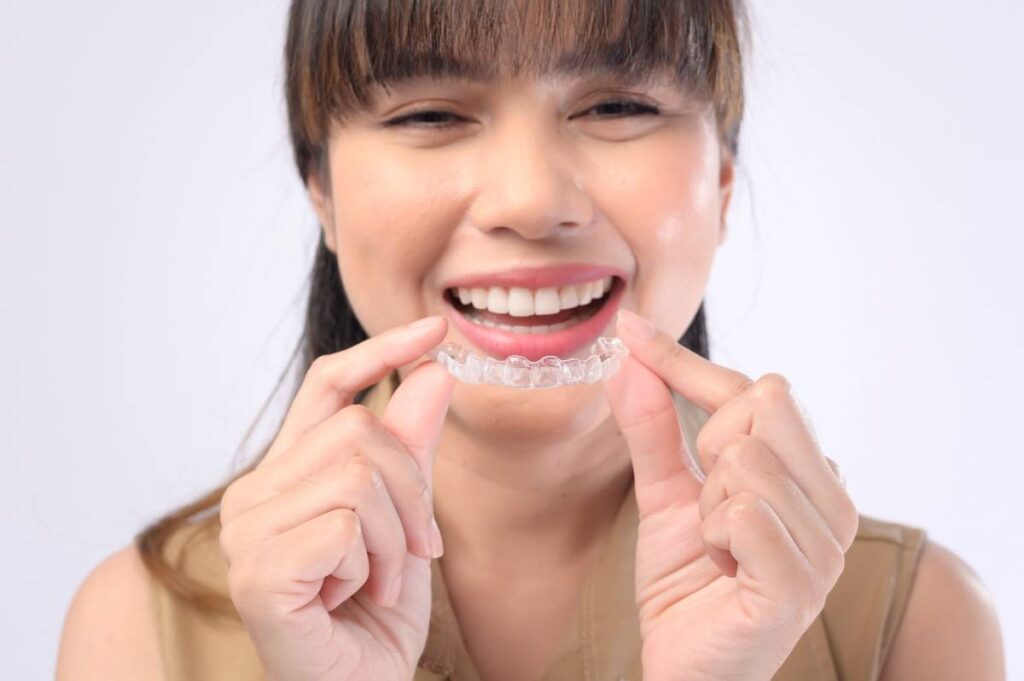
Meet Dr. Rakesh Mantena Dr. Rakesh Mantena, DDS, is the lead dentist at Mantena Dental & Implant Center and brings over 20 years of experience in providing patient-focused dental care. He earned his dental degree from the University of Southern California and has practiced dentistry internationally in the United Kingdom and India, giving him a broad and well-rounded clinical perspective. Dr. Mantena focuses on dental implants and restorative care, helping patients restore function, comfort, and confidence in their smiles. He believes in clear communication, gentle care, and treatment plans tailored to each patient’s goals. Outside the office, he enjoys spending time with his family and staying up to date with the latest advancements in dentistry. Introduction You decided to straighten your smile. You chose Invisalign over traditional braces for the freedom, esthetics, and the promise of a more comfortable orthodontic experience. But here is something many patients do not fully appreciate until they are already midway through their treatment journey: Invisalign is only as effective as the daily habits that support it. Unlike fixed braces, which work regardless of your cooperation, Invisalign places a significant portion of your treatment success directly in your hands. That is not a burden; it is an opportunity. With the right daily habits practiced consistently, you can achieve a beautifully aligned smile right on schedule. With careless or inconsistent care, you risk treatment delays, poorly fitting trays, and results that fall noticeably short of what was carefully planned for you. At Mantena Dental & Implant Center, Dr. Rakesh Mantena works closely with every single patient to ensure they understand not just the mechanics of Invisalign, but the genuine lifestyle commitment that lies behind it. Because the truth is, consistency is what transforms this treatment from a promising possibility into a stunning, lasting reality. Let us walk through each of the key daily habits that make all the difference. Keeping Your Aligners Clean Every Single Day Bacteria and plaque build up on aligner surfaces just as they do on the surfaces of your teeth. Cloudy, discolored, or unpleasant-smelling aligners are not just esthetically off-putting; they can also be harmful. They actively create a harmful oral environment by holding bacteria against your enamel for extended periods, which can contribute to tooth decay, enamel erosion, and gum irritation throughout your treatment. Proper aligner hygiene is also an important part of patient compliance with Invisalign by Dr. Rakesh Mantena, helping ensure both oral health and treatment success. The daily habit to develop here is simple but must be practiced consistently. Rinse your aligners with lukewarm water each time you handle them. Use a soft-bristled toothbrush with a small amount of mild, clear soap to gently clean them thoroughly every morning and night. Always avoid hot water, since even moderate heat can warp the aligner material and compromise the fit. Avoid colored or strongly flavored toothpaste as well, as these can stain the plastic and reduce its transparency over time. Clean aligners create a healthier oral environment, which directly supports more efficient and comfortable tooth movement throughout your entire treatment period. Maintaining Thorough Oral Hygiene Before Reinserting Aligners Invisalign is already guiding your smile toward significant improvement. Still, the process genuinely demands that your underlying oral health keep pace. One of the most impactful daily habits for your Invisalign outcome is maintaining thorough oral hygiene before you put your aligners back in. Following aligner consistency tips from Dr. Rakesh Mantena can help patients maintain healthy habits that support both oral health and successful treatment progress. Because aligners form a close-fitting seal over your teeth, any food debris, plaque, or bacteria trapped beneath them receives far less exposure to natural saliva than it ordinarily would throughout the day. Saliva plays a critical role in neutralizing harmful acids and removing damaging particles. When aligners significantly reduce that exposure, the full responsibility for maintaining a clean environment shifts to your personal brushing and flossing routine. Dr. Rakesh Mantena advises every Invisalign patient at Mantena Dental & Implant Center to brush thoroughly after every meal and to floss at least once daily, without exception. Reinserting your aligners onto teeth that have not been properly cleaned is not merely a minor daily oversight; it poses a real risk to your enamel and gum health that can meaningfully complicate your treatment over time. Clean teeth going back beneath clean aligners create the ideal environment for safe, steady, and effective tooth movement at every stage. Switching Your Aligner Trays Exactly on Schedule Your Invisalign treatment is carefully mapped out as a precise sequence of aligner trays, with each one engineered to move your teeth a specific, calculated step along their planned path. Understanding Invisalign habits and results explained by Dr. Rakesh Mantena, can help patients stay on track and achieve the predictable outcomes their treatment plan is designed to deliver. Making this switch consistently and on schedule is the habit that sustains the forward momentum of your entire treatment. Waiting too long within one tray allows your teeth to become overly settled in that position, making the next tray unnecessarily difficult to seat properly. Switching too early, on the other hand, rushes a treatment stage before your teeth have had sufficient time to respond fully, which can reduce the accuracy of subsequent treatments. Trust your schedule and build a reliable system that keeps you consistently accountable to it. Mark your tray switch dates clearly on a physical calendar, set recurring reminders on your phone, or use a dedicated tracking app. This simple yet deliberate action, repeated every 1 to 2 weeks, keeps your treatment timeline on track and your progress both predictable and measurable. Real Stories, Real Community Impact Patients often share that their Invisalign journeys are transformative, both physically and emotionally. These stories reflect the trust built through transparency, innovation, and patient-first care. For directions, use the helpful Google Map or get step-by-step navigation through Get Directions. FAQ’s 1. How many hours a day do I need to wear my Invisalign aligners?You should wear your
How Long Does Healing Take After Implant Placement?

Meet Dr. Rakesh Mantena Dr. Rakesh Mantena, DDS, is the lead dentist at Mantena Dental & Implant Center and brings over 20 years of experience in providing patient-focused dental care. He earned his dental degree from the University of Southern California and has practiced dentistry internationally in the United Kingdom and India, giving him a broad and well-rounded clinical perspective. Dr. Mantena focuses on dental implants and restorative care, helping patients restore function, comfort, and confidence in their smiles. He believes in clear communication, gentle care, and treatment plans tailored to each patient’s goals. Outside the office, he enjoys spending time with his family and staying up to date with the latest advancements in dentistry. Introduction Dental implants have become one of the most reliable and long-lasting solutions for replacing missing teeth. They are designed to restore both function and appearance while helping patients regain confidence in their smiles. Although dental implants are highly successful, many patients still have an important question before beginning treatment: how long does healing take after implant placement? Healing after dental implant surgery is a gradual process that happens in stages. Some parts of recovery happen quickly, while other parts continue beneath the surface for several months. Understanding what to expect during healing can help patients feel better prepared, more comfortable, and more confident throughout treatment. Dr. Rakesh Mantena at Mantena Dental & Implant Center helps patients understand each phase of implant healing so they can recover comfortably and achieve strong, lasting results. Understanding Dental Implant Healing A dental implant is a small titanium post placed into the jawbone to replace the root of a missing tooth. After placement, the surrounding bone gradually bonds with the implant through a process called osseointegration. This bonding process is one of the most important factors in implant success because it provides a stable foundation for the final restoration. Patients who follow implant recovery guidance from Dr. Rakesh Mantena can better understand the healing process and support successful long-term implant outcomes. Healing involves both the soft tissues and the bone. The gums must heal after surgery, while the jawbone slowly adapts to the implant. Since every patient heals differently, recovery timelines can vary depending on several factors. The First 24 to 48 Hours After Implant Placement The first couple of days after implant surgery are usually when patients notice the most swelling and tenderness. Mild discomfort is normal and can often be managed with prescribed or recommended medications. Some common experiences during this stage include: Most patients are surprised that implant discomfort is often less severe than expected. Following postoperative instructions carefully can help reduce irritation and support early healing. Patients are usually encouraged to rest, stay hydrated, and avoid strenuous physical activity during the first day or two after surgery. Healing During the First Week The first week focuses mainly on gum tissue recovery. Swelling typically begins to improve within a few days, and tenderness gradually decreases. During this phase, patients are usually advised to: Many patients can return to work or normal daily activities within a day or two, depending on the complexity of treatment and personal comfort levels. By the end of the first week, the most noticeable discomfort had significantly improved. Soft Tissue Healing Timeline The gum tissue around the implant often heals within one to two weeks. During this stage, the surgical site begins to close and strengthen. Even though the gums may appear to heal fairly quickly, deeper healing continues beneath the surface. Patients sometimes assume the implant is fully healed once soreness disappears, but bone integration still requires additional time. This dental implant recovery timeline, explained in El Dorado Hills, helps patients better understand the different stages of healing after implant placement. Proper oral hygiene during this stage remains extremely important because healthy gums help protect the implant as healing progresses. Bone Healing and Osseointegration Osseointegration is the longest and most important phase of implant healing. This process occurs when the jawbone fuses directly with the implant surface, creating long-term stability. For many patients, osseointegration may take 3 to 6 months. However, healing timelines vary based on factors such as: During this period, patients may not feel any discomfort even though important healing activity continues beneath the gums. Dr. Rakesh Mantena carefully monitors implant healing to ensure the implant remains stable before the final crown, bridge, or denture is attached. Does Everyone Heal at the Same Speed? No two patients heal the same way. Some individuals recover very quickly, while others may need additional time to heal. Several factors can influence implant healing, which is why personalized dental implant care in El Dorado Hills plays an important role in supporting a smooth, successful recovery. Healthy patients often experience smoother healing than those with uncontrolled medical conditions. Conditions that affect circulation or immune function may slow recovery. Smoking can interfere with blood flow and increase the risk of implant complications. Patients who smoke may experience delayed healing or reduced implant success rates. A strong, healthy jawbone often supports faster implant integration. Patients with bone loss may require additional procedures such as bone grafting before implant placement. Keeping the implant area clean helps reduce bacteria and supports healthy healing. Poor oral hygiene may increase the risk of inflammation or infection. Single-implant procedures may heal more quickly than full-mouth implant treatments or cases involving multiple extractions and grafting. What About Bone Grafting Recovery? Some patients require bone grafting before or during implant placement to strengthen the jawbone. Bone grafting can slightly extend the healing timeline because the graft material also needs time to integrate. Depending on the situation, bone graft healing may require several additional months before final implant restoration is completed. Patients receiving implant recovery guidance by Dr. Rakesh Mantena can better understand how bone graft healing supports long-term implant stability and success. Although this may sound lengthy, bone grafting can improve implant stability and long-term success. Can Patients Eat Normally During Healing? Eating recommendations usually change throughout recovery. Immediately after surgery, softer
Invisalign in El Dorado Hills: Care and Cleaning Routine Explained
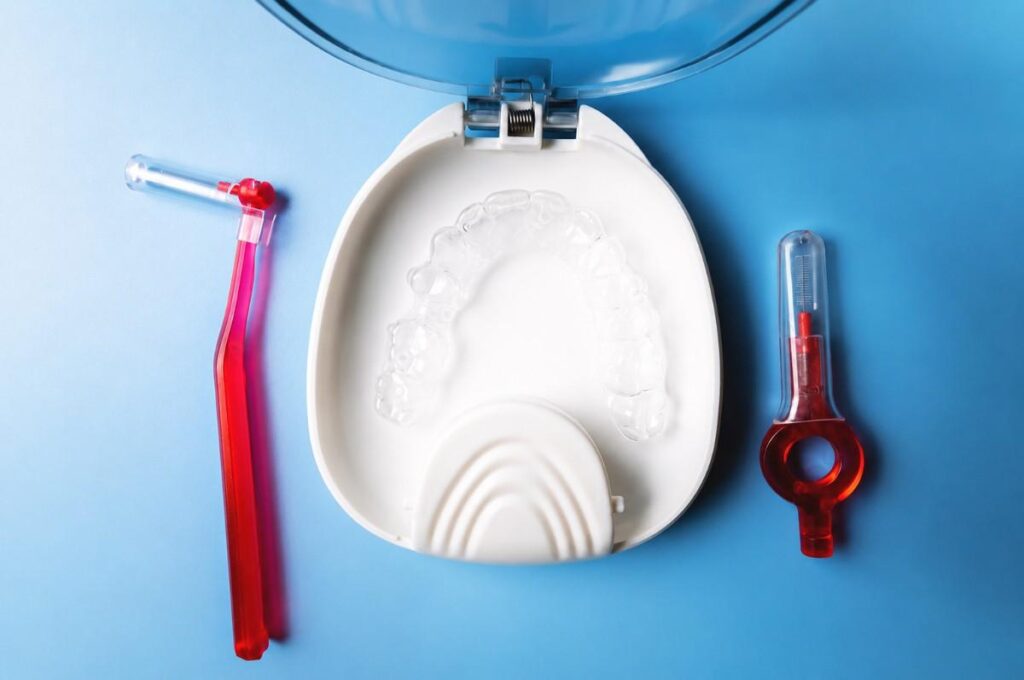
Meet Dr. Rakesh Mantena Dr. Rakesh Mantena, DDS, is the lead dentist at Mantena Dental & Implant Center and brings over 20 years of experience in providing patient-focused dental care. He earned his dental degree from the University of Southern California and has practiced dentistry internationally in the United Kingdom and India, giving him a broad and well-rounded clinical perspective. Dr. Mantena focuses on dental implants and restorative care, helping patients restore function, comfort, and confidence in their smiles. He believes in clear communication, gentle care, and treatment plans tailored to each patient’s goals. Outside the office, he enjoys spending time with his family and staying up to date with the latest advancements in dentistry. Introduction A healthy, confident smile often starts with proper oral care and consistent treatment. Invisalign has become one of the most popular orthodontic solutions because it offers a discreet and comfortable way to straighten teeth without traditional metal braces. However, maintaining clean aligners and strong oral hygiene habits are major factors in achieving successful results. At Mantena Dental & Implant Center, Dr. Rakesh Mantena helps patients understand that Invisalign treatment involves more than simply wearing aligners. A proper care and cleaning routine can help keep aligners fresh, maintain oral health, and support smoother treatment progress throughout the smile journey. Understanding Invisalign Treatment Invisalign treatment uses a series of custom clear aligners that gradually move teeth into their planned positions. Each set of aligners is carefully crafted to apply gentle pressure to guide tooth movement over time. Many patients choose Invisalign because the aligners are discreet, comfortable, and designed to fit naturally into everyday life. Since the trays remain closely adapted to the teeth throughout treatment, maintaining excellent oral hygiene becomes especially important. Following a proper daily aligner hygiene routine in El Dorado Hills can help patients keep their aligners clean and their smiles healthier throughout treatment. Good cleaning habits can help preserve the appearance of the aligners while also supporting healthier teeth and gums during treatment. Why Invisalign Cleaning Matters Invisalign aligners are clear, which means buildup and discoloration may become noticeable if proper cleaning is neglected. Daily exposure to saliva, plaque, and bacteria can affect both the appearance and freshness of the trays over time. Without consistent cleaning habits, patients may experience: Keeping aligners clean not only helps maintain their appearance but also supports a healthier oral environment throughout treatment. Developing a Daily Invisalign Care Routine One of the best ways to maintain successful Invisalign treatment is by creating a consistent daily routine. Patients who stay organized with their aligner care often find treatment easier and more comfortable overall. Rinsing aligners throughout the day can help reduce saliva buildup and prevent residue from settling on the trays. Allowing buildup to remain on aligners for long periods may contribute to odors and discoloration. A simple rinse can help keep aligners fresher between cleanings. Following the aligner cleaning tips by Dr. Rakesh Mantena can help patients maintain cleaner trays and support better oral hygiene throughout Invisalign treatment. Brushing thoroughly is especially important during Invisalign treatment. Since aligners fit closely over the teeth, plaque and bacteria may remain trapped against tooth surfaces if oral hygiene is inconsistent. Patients should carefully brush along the gumline and all tooth surfaces to help maintain cleaner teeth and healthier gums throughout treatment. Dr. Rakesh Mantena often emphasizes that healthy brushing habits can support both oral health and smoother Invisalign progress. Aligners should be cleaned gently and consistently to help remove buildup while protecting the material from damage. Rough handling or aggressive scrubbing may cause scratches that make aligners appear cloudy. Using gentle cleaning techniques can help preserve the clear appearance that many patients appreciate about Invisalign. Keeping Invisalign Aligners Clear One of the biggest advantages of Invisalign is its discreet appearance. Patients often want their aligners to remain as clear and invisible as possible throughout treatment. Proper Invisalign care in El Dorado Hills can help patients keep their aligners cleaner and clearer throughout treatment. Certain habits may increase the likelihood of staining or buildup. Coffee, tea, red wine, colorful sauces, and strongly pigmented foods may contribute to staining over time. Residue from darker beverages can sometimes affect the appearance of aligners when oral hygiene is inconsistent. Patients who maintain good cleaning routines throughout the day may help reduce visible discoloration and buildup. Some cleaning methods may do more harm than good. Extremely hot water, abrasive products, or harsh chemicals may damage aligners, affecting their fit or appearance. Damaged trays may become warped, cloudy, or less comfortable during wear. Gentle cleaning methods are generally the safest approach for maintaining aligner quality. Importance of Oral Hygiene During Invisalign Treatment Invisalign treatment offers patients a great opportunity to improve their oral hygiene. Since aligners remain on the teeth throughout most of the day, keeping the mouth clean becomes especially important. Following the aligner-cleaning tips from Dr. Rakesh Mantena can help patients maintain healthier oral hygiene habits throughout Invisalign treatment. Brushing alone may not remove all food particles or plaque between teeth. Daily flossing helps clean hard-to-reach areas and may support healthier gums during treatment. Healthy gums are important because gum inflammation may affect comfort and overall oral health throughout Invisalign treatment. Patients should monitor any changes in their gums, teeth, or aligners during treatment. Redness, irritation, swelling, or discomfort should be discussed with the dental team to ensure proper care and treatment progress. Regular dental evaluations can help identify concerns early and support healthier long-term outcomes. Invisalign Care While Traveling Many Invisalign patients maintain active lifestyles that include travel, work responsibilities, and social events. Fortunately, Invisalign care can remain manageable even with a busy schedule. Proper Invisalign care in El Dorado Hills often includes maintaining consistent oral hygiene habits regardless of daily activities or travel plans. Travel-friendly oral care supplies may help patients maintain their routines while away from home. Helpful items may include: Staying prepared while traveling may help patients maintain cleaner aligners and healthier smiles throughout treatment. Building Consistency Throughout Treatment
Struggling with Misaligned Teeth? Try Invisalign in El Dorado Hills
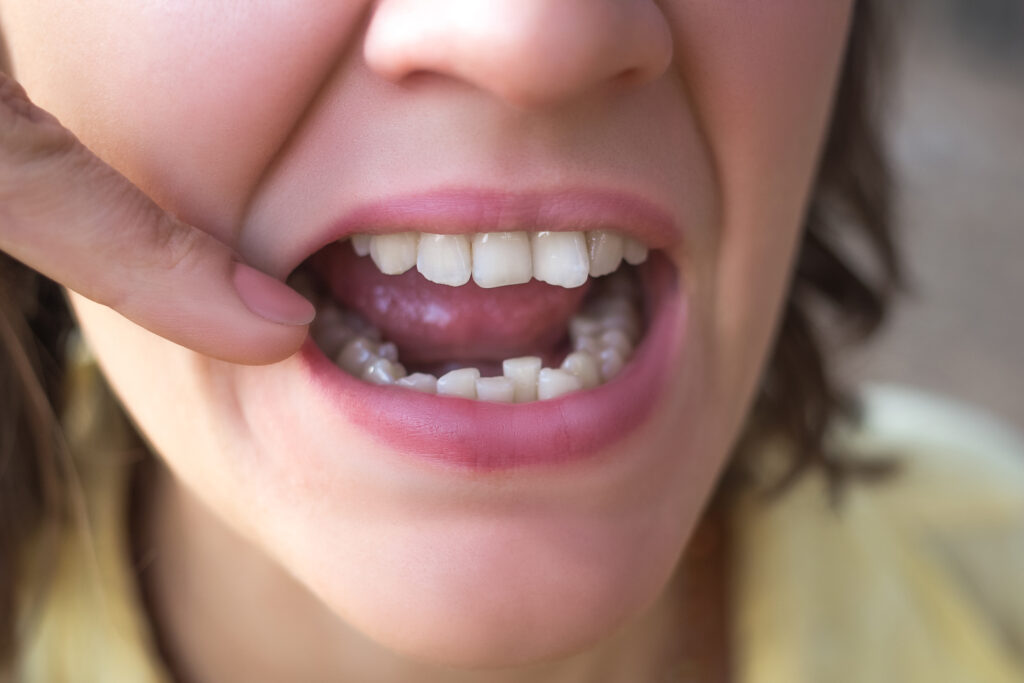
Meet Dr. Rakesh Mantena Dr. Rakesh Mantena, DDS, is the lead dentist at Mantena Dental & Implant Center and brings over 15 years of experience in providing patient-focused dental care. He earned his dental degree from the University of Southern California and has practiced dentistry internationally in the United Kingdom and India, giving him a broad and well-rounded clinical perspective. Dr. Mantena focuses on dental implants and restorative care, helping patients restore function, comfort, and confidence in their smiles. He believes in clear communication, gentle care, and treatment plans tailored to each patient’s goals. Outside the office, he enjoys spending time with his family and staying up to date with the latest advancements in dentistry. Introduction A straight smile is not only about appearance. Misaligned teeth can also affect daily comfort, oral hygiene, speech, and bite function. Many people struggle with crowded teeth, gaps, or bite problems for years because they do not want traditional metal braces. Fortunately, modern dentistry now offers a more comfortable and discreet solution through Invisalign treatment. At Mantena Dental & Implant Center, Dr. Rakesh Mantena helps patients improve their smiles with personalized Invisalign treatment plans. Invisalign aligners are designed to gradually move teeth into better positions while allowing patients to continue their normal routines with confidence. What Causes Misaligned Teeth? Misaligned teeth can happen for many different reasons. Some people naturally develop crowded or crooked teeth because of genetics. Others may experience shifting due to tooth loss, thumb sucking during childhood, jaw growth patterns, or bite problems. In some cases, wisdom teeth can contribute to crowding. Poor oral habits and untreated dental issues may also affect tooth alignment over time. Even patients who previously had braces may notice their teeth shifting again if retainers were not worn consistently. Patients looking for clear aligner solutions by Dr. Rakesh Mantena can benefit from personalized treatment plans designed to improve tooth alignment and support long-term oral health. Misalignment can range from mild spacing problems to more complex bite concerns. Some of the most common issues include: Many adults believe they missed their opportunity to straighten their teeth. Still, Invisalign treatment has made orthodontic care much more convenient for adults of all ages. Why Misaligned Teeth Should Not Be Ignored Some people think crooked teeth are only a cosmetic concern, but alignment problems can also affect oral health. Teeth that overlap or crowd together are often harder to clean properly. This can increase the risk of plaque buildup, cavities, and gum disease. Bite problems may also place uneven pressure on the teeth and jaw. Over time, this can contribute to tooth wear, jaw discomfort, headaches, or difficulty chewing certain foods. Many patients explore Invisalign treatment in El Dorado Hills to improve both comfort and smile alignment. Misaligned teeth can also affect confidence. Many patients feel uncomfortable smiling in photos or speaking in social situations because they are self-conscious about their teeth. Improving alignment can help patients feel more confident while also supporting long-term oral health. Why Patients Choose Invisalign in El Dorado Hills Many patients prefer Invisalign because it fits better into modern lifestyles. Adults and teenagers often appreciate the convenience and appearance of clear aligners. Some of the biggest reasons patients choose Invisalign include: The aligners are clear and discreet, making them less noticeable than traditional braces. This allows patients to feel more confident during treatment. Traditional braces can sometimes irritate the cheeks and gums due to brackets and wires. Invisalign aligners are smooth and designed for comfort. Patients remove their aligners during brushing and flossing. This allows patients to maintain normal oral hygiene habits more easily throughout treatment. Unlike braces, Invisalign does not involve brackets or wires that can break while eating. Many patients choose Invisalign treatment for misaligned teeth in El Dorado Hills because the aligners fit more comfortably into daily routines. Patients can continue enjoying many of their favorite foods while maintaining proper oral hygiene afterward. Modern Invisalign treatment uses advanced digital technology to create personalized treatment plans. Patients can often see a preview of their expected smile improvements before treatment begins. How Invisalign Treatment Works The Invisalign process begins with a consultation and examination. Dr. Rakesh Mantena evaluates the patient’s teeth, bite, and smile goals to determine whether Invisalign is the right option. Instead of messy traditional impressions, many Invisalign cases use digital scanning technology to capture detailed images of the teeth. These scans help create custom aligners tailored to the patient’s smile. Patients considering Invisalign treatment in El Dorado Hills often appreciate the advanced digital technology used during the planning process. The digital planning process also helps patients understand how their teeth are expected to move throughout treatment. After the treatment plan is finalized, a series of custom aligners is created. Each set is designed to make gradual tooth movements. Patients wear the aligners consistently throughout the day and switch to new trays as instructed. Patients visit the dental office periodically to monitor treatment progress. These visits are usually shorter and less frequent compared to traditional braces appointments. Dr. Rakesh Mantena carefully evaluates tooth movement and makes adjustments if necessary. Some patients may require additional aligners near the end of treatment. These are commonly called refinements and help improve final tooth positioning. Refinements are a normal part of many Invisalign treatment plans. Who Is a Good Candidate for Invisalign? Invisalign can treat many mild-to-moderate orthodontic concerns. Good candidates often include patients with: However, not every patient is the same. Some severe orthodontic problems may require alternative treatment options. A professional evaluation helps determine the most appropriate treatment plan for each patient. Daily Life with Invisalign Many patients quickly adjust to life with Invisalign aligners. The trays are designed to fit comfortably while allowing patients to continue normal activities. Patients interested in clear aligner solutions by Dr. Rakesh Mantena often appreciate the convenience and flexibility of Invisalign treatment. Patients wear the aligners throughout the day and remove them during oral hygiene routines. Consistency plays a major role in treatment success. Wearing aligners as
When Should Parents Worry About Tooth Alignment?

Meet Dr. Rakesh Mantena Dr. Rakesh Mantena, DDS, is the lead dentist at Mantena Dental & Implant Center and brings over 15 years of experience in providing patient-focused dental care. He earned his dental degree from the University of Southern California and has practiced dentistry internationally in the United Kingdom and India, giving him a broad and well-rounded clinical perspective. Dr. Mantena focuses on dental implants and restorative care, helping patients restore function, comfort, and confidence in their smiles. He believes in clear communication, gentle care, and treatment plans tailored to each patient’s goals. Outside the office, he enjoys spending time with his family and staying up to date with the latest advancements in dentistry. Introduction Every parent wants to see their child grow up with a healthy and confident smile. As children grow, their teeth and jaws go through many changes. Some spacing, crookedness, and changes in bite are completely normal during childhood. However, there are times when tooth alignment problems may need professional attention. Many parents are unsure about when to worry about crooked teeth, bite problems, or uneven spacing. Some children naturally grow into better alignment as they develop. In contrast, others may develop issues that become more difficult to correct later. Knowing the warning signs early can help parents make informed decisions about their child’s dental health. Dr. Rakesh Mantena at Mantena Dental & Implant Center helps families understand how tooth alignment affects both oral health and long-term smile development. Early observation and regular dental visits can make a major difference in protecting a child’s smile. Why Tooth Alignment Matters Tooth alignment is about much more than appearance. Properly aligned teeth help children chew comfortably, speak clearly, and maintain better oral hygiene. When teeth are severely crowded or misaligned, it may become harder to brush and floss properly. This can increase the risk of cavities and gum problems over time. Understanding kids’ teeth alignment problems and solutions by Dr. Rakesh Mantena can help parents make informed decisions about their child’s long-term oral health. Jaw alignment is also important. Bite problems may place uneven pressure on the teeth and jaw joints, leading to discomfort, uneven wear, or difficulty chewing. Early monitoring allows dentists to identify potential concerns before they become more serious. What Is Considered Normal During Childhood? Children’s mouths constantly change as they grow. Baby teeth eventually loosen and fall out, while permanent teeth erupt into place. During this process, some temporary spacing or crookedness is very common. Parents often notice: In many cases, these issues improve naturally as the jaw develops and additional permanent teeth come in. However, some alignment problems may continue to worsen without treatment. This is why regular dental evaluations are important during childhood. Signs Parents Should Watch Carefully Teeth That Are Severely Crowded Mild crowding is common during development, but severe crowding may cause long-term problems. If permanent teeth do not have enough space to erupt properly, they may overlap, twist, or become trapped beneath the gums. In some cases, an early orthodontic evaluation for children in El Dorado Hills may help identify these concerns before they become more difficult to treat. Severe crowding can make brushing difficult and may increase the risk of tooth decay and gum irritation. Parents should pay attention if teeth appear heavily overlapped or if new teeth are erupting far behind or in front of existing teeth. Difficulty Biting or Chewing Children should generally be able to bite and chew food comfortably. If a child struggles to chew evenly or frequently bites the inside of the cheeks, this may indicate a bite alignment problem. Some common bite issues include: These bite problems may affect both appearance and jaw function over time. Early or Late Loss of Baby Teeth Baby teeth help guide permanent teeth into their correct positions. If baby teeth fall out too early due to injury or decay, nearby teeth may shift into the space left by the missing teeth, blocking permanent teeth from erupting correctly. Following the children’s dental care advice by Dr. Rakesh Mantena can help parents better understand how early dental development affects long-term tooth alignment. On the other hand, baby teeth that remain in place too long may also interfere with proper eruption patterns. Parents should monitor their child’s tooth development and discuss any unusual timing with their dentist. Mouth Breathing and Thumb Sucking Certain habits during childhood may affect jaw and tooth development. Prolonged thumb sucking, pacifier use, or constant mouth breathing can sometimes contribute to alignment problems. These habits may place pressure on the developing teeth and jaws, potentially leading to spacing issues or bite changes. Not every child who sucks their thumb develops orthodontic problems. Still, long-lasting habits may increase the likelihood of alignment concerns. Difficulty Speaking Clearly Speech development is closely connected to the position of the teeth and tongue. In some cases, severe alignment problems may contribute to speech difficulties or unclear pronunciation. If parents notice ongoing speech challenges along with visible bite problems, it may be helpful to schedule a dental evaluation. When Should Children First See an Orthodontic Evaluation? Many parents assume that orthodontic evaluations should wait until all permanent teeth have appeared. However, early evaluations can help identify concerns much sooner. Children often benefit from an orthodontic screening around age seven. At this age, dentists can usually identify early bite problems, concerns about jaw growth, or eruption issues. Families seeking family dental care in El Dorado Hills can benefit from early monitoring to help support healthy smile development as children grow. This does not always mean braces are needed immediately. In many cases, the dentist may monitor growth and development over time. Early observation helps create better treatment planning if future orthodontic care becomes necessary. Common Causes of Alignment Problems Tooth alignment issues may develop for several reasons. Some children inherit jaw size or tooth spacing patterns from family members. Others may develop alignment changes because of habits or injuries. Some common causes include: Understanding the cause helps dentists recommend the
Life After Invisalign: 10 Year Results, Regrets, and Lessons Learned

Meet Dr. Rakesh Mantena Dr. Rakesh Mantena, DDS, is the lead dentist at Mantena Dental & Implant Center and brings over 15 years of experience in providing patient-focused dental care. He earned his dental degree from the University of Southern California and has practiced dentistry internationally in the United Kingdom and India, giving him a broad and well-rounded clinical perspective. Dr. Mantena focuses on dental implants and restorative care, helping patients restore function, comfort, and confidence in their smiles. He believes in clear communication, gentle care, and treatment plans tailored to each patient’s goals. Outside the office, he enjoys spending time with his family and staying up to date with the latest advancements in dentistry. Introduction Finishing Invisalign feels like crossing a major milestone. You remember the first tray, the slight pressure, the regular checkups, and the excitement of seeing your teeth slowly move into place. But what happens after the last aligner comes off? What does your smile look like 10 years later? Do patients feel happy with their decision? Do they have regrets? At Mantena Dental & Implant Center, Dr. Rakesh Mantena often meets patients who completed Invisalign years ago. Some are proud of their long-lasting results. Others wish they had followed certain instructions more carefully. Life after Invisalign is not just about straight teeth. It is about sustaining results, protecting your investment, and learning from real-world experience. This blog explores what patients typically experience 10 years after Invisalign, common mistakes they discuss, and the lessons that truly matter. What Do 10 Year Invisalign Results Look Like For most patients who follow instructions, the 10-year results are very positive. Teeth remain straight, bites stay balanced, and confidence continues to grow. Invisalign works by gradually moving teeth into healthier positions. Once treatment is complete, retainers help keep everything stable. To better understand what long-term stability really looks like, you can learn about aligner treatment outcomes from Dr. Rakesh Mantena and how proper planning and maintenance support lasting results. Patients who consistently wear their retainers usually maintain their results for many years. They often say their smile still looks as good as the day treatment ended. In many cases, gum health also improves because straight teeth are easier to clean. However, teeth naturally shift over time. Aging, grinding, and skipping retainer wear can cause minor changes. This does not mean Invisalign failed. It simply means maintenance matters. The Role of Retainers After Invisalign One of the biggest lessons patients learn over 10 years is this: retainers are not optional. After Invisalign treatment, your teeth tend to return to their original position. This is called relapse. Retainers hold your teeth in place while the surrounding bone stabilizes. Many patients wear retainers consistently for the first year, then slowly become less strict. Some forget a few nights. Others stop wearing them altogether. Years later, they notice small gaps returning or slight crowding. Dr. Rakesh Mantena explains to patients that retainer wear is a lifelong commitment. Nighttime use is usually recommended long-term. It takes only a few minutes each day, but it protects years of effort. Patients who want added guidance on maintaining their results can also discover Invisalign care options with Dr. Rakesh Mantena to ensure their smile stays stable for years to come. Regrets Patients Share After 10 Years Most patients do not regret choosing Invisalign. They regret small habits they ignored. Here are the most common regrets shared after a decade. 1. Not Wearing Retainers Consistently This is the top regret. Even small gaps can return if retainers are skipped for long periods. Some patients eventually require minor retreatment. 2. Not Replacing Worn-Out Retainers Retainers wear down over time. Cracks, looseness, and thinning reduce their effectiveness. Some patients retained their retainers for longer than advised, instead of replacing them annually. 3. Ignoring Grinding or Clenching Teeth grinding can slowly shift alignment. Patients who developed grinding habits but did not address them noticed changes in their bite over time. 4. Skipping Dental Checkups Regular checkups help monitor oral health and alignment. Those who missed routine visits sometimes did not catch small shifts early. The good news is that these regrets are preventable. Lessons Learned From Long-Term Invisalign Patients After 10 years, many patients say Invisalign was worth it. But they also share valuable lessons. Lesson One: Straight Teeth Need Ongoing Care Invisalign does not end when trays stop. Maintenance continues. Retainers, cleanings, and checkups protect your smile. Lesson Two: Oral Hygiene Matters Even More Straight teeth are easier to clean. But plaque can still build up. Long-term results stay better when brushing and flossing are consistent. Lesson Three: Small Changes Can Be Corrected Early If minor shifting happens, it is easier to fix it early. Short refinement treatments are sometimes enough to realign teeth. Lesson Four: Confidence Lasts Many patients say their biggest benefit was confidence. They smile more in photos. They feel more comfortable in meetings. That confidence does not fade after 10 years. Bite Health 10 Years Later Invisalign is not only cosmetic. It also improves bite balance. A properly aligned bite can reduce uneven wear and strain on certain teeth. Patients who have had overbites, underbites, or crowding corrected often report greater chewing comfort years later. Some even notice fewer headaches if their bite was contributing to tension. Long-term bite stability depends on proper finishing and consistent retainer use. That is why choosing an experienced provider matters. To support lasting results and ongoing comfort, patients can also find post-treatment dental guidance by Dr. Rakesh Mantena to help maintain their alignment and bite health over time. Do Patients Need Invisalign Again After 10 Years In most cases, no. If retainers are worn properly, teeth remain stable. However, some patients choose small touch-up treatments. These are usually minor and much shorter than the original plan. They may involve a few aligners to correct slight shifting. Retreatment is often linked to inconsistent retainer wear rather than treatment failure. Emotional Impact 10 Years After Invisalign One surprising result many patients share