Meet Dr. Rakesh Mantena
Dr. Rakesh Mantena, DDS, is the lead dentist at Mantena Dental & Implant Center and brings over 20 years of experience in providing patient-focused dental care. He earned his dental degree from the University of Southern California and has practiced dentistry internationally in the United Kingdom and India, giving him a broad and well-rounded clinical perspective.
Dr. Mantena focuses on dental implants and restorative care, helping patients restore function, comfort, and confidence in their smiles. He believes in clear communication, gentle care, and treatment plans tailored to each patient’s goals. Outside the office, he enjoys spending time with his family and staying up to date with the latest advancements in dentistry.
Quick Facts About Recurrent Canker Sores
- What it is: Recurrent canker sores are small, painful ulcers that develop inside the mouth and may return repeatedly over time.
- Typical healing time: Minor canker sores usually heal within 7 to 14 days, while larger or more severe sores may take several weeks.
- Main triggers: stress, mouth irritation, acidic or spicy foods, certain toothpaste ingredients, and vitamin or mineral deficiencies.
- Main treatment: Treatment may include identifying triggers, correcting deficiencies, improving oral care habits, and using laser therapy for faster comfort and relief.
Introduction
Most people remember their first canker sore the way they remember a paper cut: small, sudden, and surprisingly painful for something so tiny. You bite into a slice of pizza or sip your morning coffee, and there it is, a stinging reminder that something inside your mouth has gone slightly wrong. For most people, that small ulcer heals within a week and becomes a forgettable annoyance. But for some, these sores are not a one-time event. They return again and again, sometimes monthly, sometimes even more often, turning eating, talking, and smiling into a careful negotiation with pain.
If you find yourself stocking up on numbing gels and avoiding citrus fruits because you know another canker sore is probably on its way, you are dealing with what dentists call recurrent aphthous stomatitis. It is more common than most people realize, and the good news is that modern dentistry now offers solutions that go beyond simply waiting it out. If you are looking for canker sore treatment in El Dorado Hills, Mantena Dental & Implant Center offers advanced care. Dr. Rakesh Mantena helps patients understand what triggers their canker sores and offers advanced laser treatment that can ease pain almost immediately and promote faster healing.
In this blog, we will walk through what canker sores actually are, why some people get them again and again, and how laser therapy is changing the way these frustrating sores are managed.
What Is a Canker Sore? Causes & Symptoms
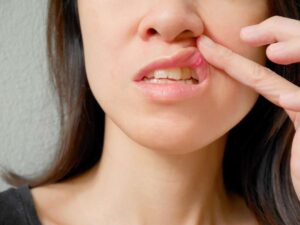
A canker sore, medically known as an aphthous ulcer, is a small, shallow lesion that develops on the soft tissues inside the mouth. Unlike cold sores, which appear on the outside of the lips and are caused by a virus, canker sores form inside the mouth on the cheeks, tongue, gums, or the floor of the mouth, and they are not contagious. For patients seeking recurrent canker sore treatment in El Dorado Hills, understanding the difference between canker sores and cold sores is an important first step.
These sores typically appear as round or oval ulcers with a white or yellowish center and a red, inflamed border. They can range from barely noticeable to quite large and deeply uncomfortable. Most minor canker sores heal on their own within 7 to 14 days, but larger or recurrent ones can take much longer and may leave the person with near-constant discomfort.
Why Do Canker Sores Keep Coming Back? Common Triggers
This is the question Dr. Rakesh Mantena hears most often from patients dealing with recurrent sores and seeking canker sore treatment in El Dorado Hills. The truth is that canker sores rarely have a single, isolated cause. Instead, they tend to result from a combination of triggers that vary from person to person. Some of the most common contributing factors include:
- Minor mouth injuries. Accidentally biting your cheek, aggressive brushing, ill-fitting dental appliances, or even sharp foods like chips and crackers can create tiny wounds that develop into canker sores.
- Nutritional deficiencies. Low levels of vitamin B12, folate, iron, or zinc have been closely linked to recurrent ulcers. A simple blood test can sometimes help identify underlying deficiencies or health factors that may be contributing to recurring canker sores.
- Stress and hormonal changes. Emotional stress and fluctuations in hormone levels, particularly during menstrual cycles, are well-documented triggers. This is part of why some people notice patterns tied to certain times of the month or particularly demanding periods at work or home.
- Genetics. If your parents dealt with frequent canker sores, there is a reasonable chance you inherited that same tendency.
Because so many of these triggers overlap, pinpointing the exact cause often requires a careful conversation about diet, habits, stress levels, and family history, which is exactly the kind of personalized assessment Dr. Rakesh Mantena provides during a consultation for pain-free canker sore treatment.
How to Prevent Recurrent Canker Sores
While not every canker sore can be prevented, certain lifestyle adjustments can significantly reduce how often they appear and how severe they become.
Start by paying closer attention to your toothbrush technique. Switching to a soft-bristled brush and using gentle, controlled strokes can prevent the minor tissue trauma that often triggers a new sore. If you wear braces, retainers, or dentures, make sure they are properly fitted, since rubbing or friction from ill-fitting appliances is a common hidden trigger.
Diet also plays a meaningful role. As part of helpful canker sore prevention tips, try to moderate your intake of acidic and spicy foods, especially during periods when you already feel a sore developing. Increasing your intake of leafy greens, lean proteins, and foods rich in B vitamins and iron can help address nutritional gaps that may be fueling outbreaks.
Stress management deserves attention, too. Since emotional stress is a recognized trigger, building in small daily habits, such as short walks, deep breathing exercises, or simply getting consistent sleep, can make a noticeable difference over time.
It is also worth reviewing your oral care products. If you notice a pattern between switching toothpaste brands and an increase in sores, consider trying a toothpaste free of sodium lauryl sulfate. This small swap may help reduce the frequency of canker sore outbreaks, especially when a triggering ingredient is contributing to irritation.
Finally, and perhaps most importantly, do not dismiss frequent canker sores as something you have to live with. If you are experiencing more than 3 or 4 outbreaks a year, or if your sores are unusually large, painful, or slow to heal, it is time to talk to a dental professional rather than continuing to manage them on your own.
Laser Treatment for Canker Sores in El Dorado Hills
For years, the standard advice for canker sores was limited to over-the-counter numbing gels, saltwater rinses, and patience. While these methods still have their place, they do little to speed up healing or address the underlying inflammation. This is where laser treatment for canker sores in El Dorado Hills has become a genuine breakthrough for patients dealing with recurrent sores.
At Mantena Dental & Implant Center, Dr. Rakesh Mantena uses advanced laser technology to treat canker sores directly at the source. The laser works by gently targeting the affected tissue, which helps reduce inflammation, minimize pain almost immediately, and accelerate the body’s natural healing response. Laser treatment may provide noticeable pain relief shortly after treatment, offering a faster and more comfortable option than simply waiting for a canker sore to heal over the usual week-long period.
Beyond the immediate comfort, laser therapy also helps reduce the risk of secondary irritation or infection, since the treated area heals more efficiently and with less inflammation than an untreated sore. For patients who experience frequent outbreaks, this in-office treatment can be a reliable tool to keep on hand, rather than relying solely on home remedies that offer limited, slow relief.
Laser treatment is quick, generally comfortable, and requires minimal downtime, making it a practical option for patients who cannot afford to deal with a painful sore for a full week or more, particularly when public speaking, important meetings, or daily eating become difficult.
Real Stories, Real Community Impact
Patients often share that their dental journeys are transformative, both physically and emotionally. These stories reflect the trust built through transparency, innovation, and patient-first care.
Explore recent patient testimonials and learn how personalized dental care made a lasting difference.
• “Wow, that amazing dental clinic; everything is very well organized, and the staff is friendly, the best clinic I have seen.” – Andre Lavrovsky
• “Dr. Mantena and his staff are the absolute best! I’ve had multiple procedures done with Dr. Mantena, and they have always been easy and seamless. I was extremely nervous for my implant; with this being my biggest dental procedure yet, it was the least painful one…” – Nadia Dudik
• “Clean and comfortable clinic! Dr. Hawari, who worked on me a few times, is competent, confident, and very friendly. I recommend this dentistry.” – Priyank Shah
For directions, use the helpful Google Map or get step-by-step navigation through Get Directions.
Frequently Asked Questions
1. Are canker sores contagious like cold sores?
Canker sores are not caused by a virus and cannot spread through kissing or shared utensils.
2. How long does a typical canker sore take to heal?
Most minor canker sores heal within 7 to 14 days without treatment. Larger or more severe ulcers may take several weeks to heal and may require professional care.
3. Can stress really cause canker sores?
Yes, stress is a well-documented trigger for canker sores. Some people notice new sores appearing after particularly stressful periods.
4. Is laser treatment for canker sores painful?
No, laser treatment is generally quick and comfortable. Some patients may notice pain relief shortly after treatment, with no additional discomfort during the procedure.
5. What vitamins help prevent recurrent canker sores?
Vitamin B12, folate, iron, and zinc may help if deficiencies contribute to recurrent canker sores. A dietary review or blood test can help identify possible deficiencies.
Conclusion
Recurrent canker sores can feel like an unpredictable and frustrating part of life, quietly shaping what you eat, how you speak, and even how confident you feel day to day. But they do not have to be tolerated. By understanding your personal triggers and exploring modern treatment options like laser therapy, lasting relief is more achievable than ever. For patients seeking recurrent canker sore treatment in El Dorado Hills, Dr. Rakesh Mantena and the team at Mantena Dental & Implant Center are ready to help identify the underlying cause of recurrent sores and create a plan that delivers real, lasting comfort.
Remember: Frequent or severe canker sores often signal an underlying trigger worth investigating rather than a problem to wait out. Professional evaluation and treatment, including laser therapy, can bring faster relief and fewer repeat outbreaks.
Disclaimer: This blog is intended for general informational purposes only and should not be considered a substitute for professional dental advice. Please consult Dr. Rakesh Mantena or your dentist for an evaluation tailored to your specific condition.