
Are You a Good Candidate for Clear Aligners? Common Cases We Treat
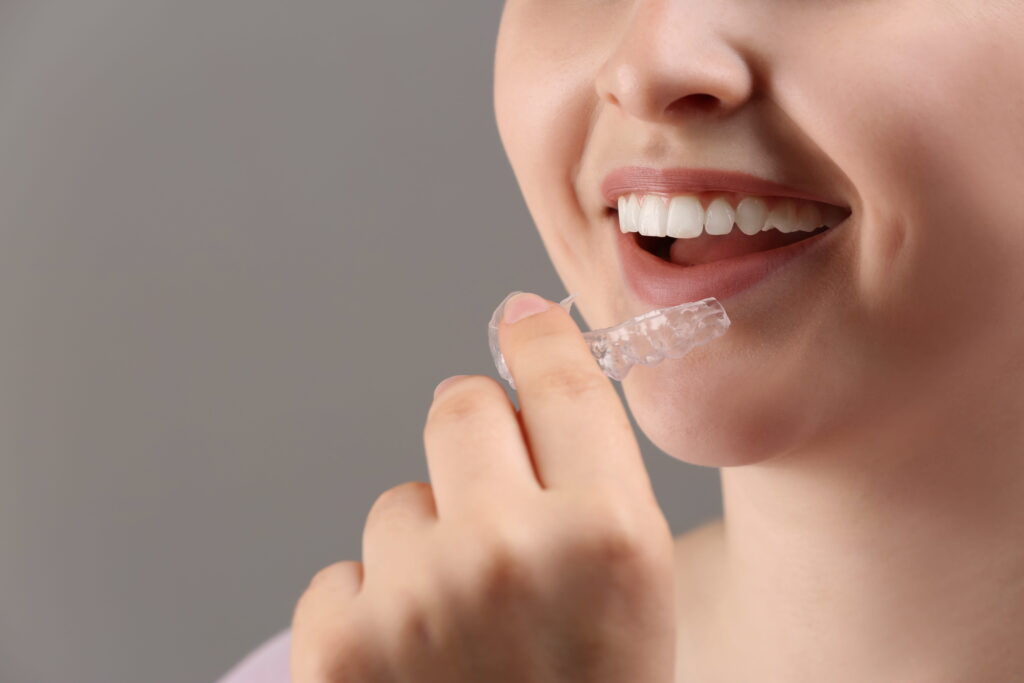
Quick answer Most adults and teens with healthy teeth and gums, mild to moderate crowding, gaps, or minor bite concerns are good candidates for clear aligners, as long as they can wear the trays about 23 hours a day. ~23 hrs/day Recommended aligner wear time Healthy teeth + gums First candidacy requirement 5 case types Common concerns we treat Key takeaways Good candidates have healthy teeth and gums, realistic goals, and can wear aligners about 23 hours daily. Common cases we treat include crowding, gaps, minor bite concerns, relapse after past treatment, and small rotations. Untreated cavities, gum disease, and severe or surgical bite cases can delay or rule out aligner treatment. A short candidacy visit with an exam, X-rays, and a digital scan confirms whether clear aligners fit your smile. Retainers are essential to keep your results stable after treatment ends. Are You a Good Candidate for Clear Aligners? Yes, most people with healthy teeth and gums and mild to moderate spacing, crowding, or bite concerns are good candidates for clear aligners. The biggest factor within your control is consistency, since these trays only work when you wear them close to 23 hours a day. If your goals are realistic and your mouth is healthy, clear aligners are often a comfortable, discreet way to straighten your smile. Who typically qualifies at a glance You are usually a strong candidate if you have crowded teeth, small gaps, minor rotations, or a mild to moderate bite issue, and your gums and teeth are free of active problems. Motivated adults and responsible teens tend to do very well because the treatment depends on wearing the trays as directed. Healthy, cavity-free teeth and stable gums Mild to moderate crowding or spacing Willingness to wear aligners for about 23 hours daily Reasonable expectations about what a smile can achieve When another treatment may fit better Some cases are better served by other options. Severe crowding, large bite discrepancies, or jaw concerns that need surgery may fall outside what clear aligners can predictably fix. In those situations, we will tell you honestly and point you toward a plan that works better for your goals. What Makes Someone a Good Candidate for Clear Aligners A good candidate for clear aligners combines a healthy mouth, steady daily wear, and realistic goals. When those three things line up, treatment tends to move smoothly and predictably. Dr. Rakesh Mantena, DDS, looks at all three during your first visit before recommending a plan. Healthy teeth and gums come first Your teeth need to be moving through healthy tissue. Active cavities or gum problems have to be treated first, because moving teeth in an unhealthy mouth can make those issues worse. This is why a cleaning and any needed preventive dentistry often come before your aligners begin. Consistent daily wear time Clear aligners only work while they are on your teeth. Wearing them about 23 hours a day is what keeps treatment on schedule and your teeth tracking with each new tray. If you take them out for long stretches, movement slows, and your finish date pushes back. A note from Dr. Mantena “The patients who love their results are almost always the ones who wear their aligners the full 23 hours a day. The trays do the work, but only when they are in your mouth. Consistency beats complexity every time.” – Dr. Rakesh Mantena, DDS Realistic goals for your smile The happiest patients understand what their case can realistically achieve. Clear aligners are excellent at improving alignment and closing minor gaps, and setting honest expectations up front keeps you satisfied with the finish. We walk you through your projected result before you commit. Common Cases We Treat With Clear Aligners in El Dorado Hills, CA The most common cases we treat with clear aligners in El Dorado Hills, CA are crowding, spacing, minor bite concerns, relapse after past treatment, and small rotations. These everyday concerns respond well to clear aligners in many patients, which is why they make up the bulk of the smiles we help improve. Crowded teeth Crowding happens when there is not enough room for teeth to sit in a straight line, so they overlap or twist. Mild to moderate crowding is one of the most treatable cases with clear aligners. We gently guide crowded teeth into better positions over a series of trays. Gaps and spacing Spaces between teeth, whether one noticeable gap or several smaller ones, often close nicely with clear aligners. Closing gaps can also make daily cleaning easier because food is less likely to pack between teeth. Mild to moderate bite concerns Some overbites, underbites, and crossbites in the mild to moderate range can be improved with clear aligners. Research supports clear aligners as a reliable choice for many alignment and bite cases within their limits, according to a clear aligner review. Larger bite problems may need a different approach, which we will discuss during your visit. Relapse after previous treatment Many adults had braces years ago and stopped wearing a retainer, so their teeth drifted back. This relapse is one of the most satisfying cases to treat because the movements are often minor and the results come quickly. Clear aligners can quietly restore the smile you once had. Minor rotations and tipping Teeth that are slightly rotated or tipped are often good candidates for clear aligner correction. These smaller adjustments can make a big visual difference and are frequently part of a broader alignment plan. How We Confirm You’re a Candidate We confirm your candidacy with a focused exam, images, and a digital scan of your teeth. This short process tells us whether clear aligners can move your teeth the way you want and how long it will likely take. Nothing is guessed at, and you see the plan before anything begins. 1 Exam, X-rays, and digital scan We check the health of your teeth and gums, take X-rays to see below the surface, and capture a digital scan. Together,
Can You Really Clean Your Retainer or Aligner in an Ultrasonic Cleaner? What Dentists Want You to Know
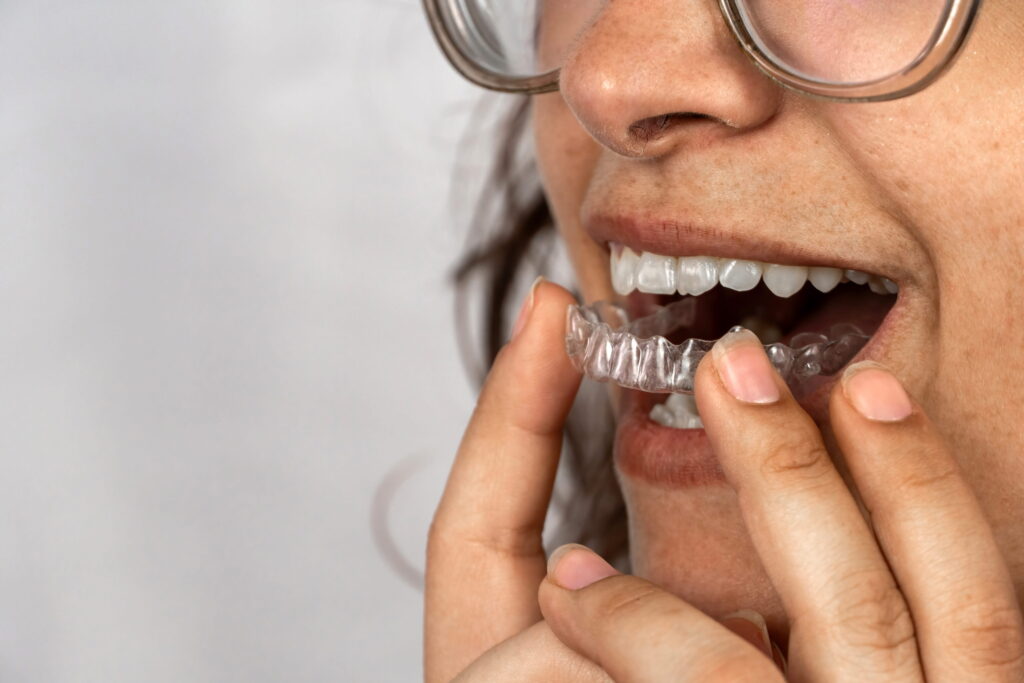
Quick answer Yes, you can clean a retainer or aligner in an ultrasonic cleaner, and it does a good job loosening buildup that a brush can miss. Use plain water or a mild cleaner made for dental appliances, keep it gentle, and pair it with daily rinsing for the best results. Weekly Suggested deep-clean frequency Daily Recommended gentle rinse 20 yrs Dr. Mantena’s dental experience Key takeaways An ultrasonic cleaner can reach grooves and edges a toothbrush struggles with, making it a helpful add-on to your routine. Use water or a mild, appliance-safe cleaner and skip harsh chemicals, hot water, and abrasive scrubbing. Ultrasonic cleaning works best as a weekly deep clean, with a gentle daily rinse in between. Persistent odor, cloudiness, or a rough feel are signs to have your appliance checked in El Dorado Hills. No cleaning method replaces daily care and regular dental visits. Schedule a consultation Can You Clean a Retainer or Aligner in an Ultrasonic Cleaner? Yes, you can safely clean a retainer or aligner in an ultrasonic cleaner, and many patients find it does a better job than brushing alone. The gentle vibrations help lift film and buildup from the tiny grooves and edges of your appliance. Used correctly with water or a mild cleaner, it is a convenient way to keep things fresh. The short answer for El Dorado Hills patients For most patients here in El Dorado Hills, an ultrasonic cleaner is a nice upgrade, not a must-have. If you already keep up with daily rinsing and gentle brushing, an ultrasonic device simply makes the weekly deep clean easier and more thorough. It is especially helpful if you notice buildup that never quite comes off with a brush. What dentists generally agree on Dentists generally agree that ultrasonic cleaning is effective and gentle when you use the right solution and avoid heat and harsh chemicals. Reviews of cleaning methods for clear appliances have found that ultrasonic cleaning removes buildup well while keeping the appliance in good shape, as noted in a review of cleaning methods for clear aligners. The key is keeping the process simple and gentle. A note from Dr. Mantena “An ultrasonic cleaner is a great helper, but it does not replace good daily habits. I tell my El Dorado Hills patients to think of it as a weekly refresh, not a shortcut around the basics.” – Dr. Rakesh Mantena, DDS How Ultrasonic Cleaners Actually Work An ultrasonic cleaner works by filling a small tank with liquid and creating fast, tiny vibrations that gently loosen film and debris from your appliance. You drop your retainer or aligner in, add water or a mild cleaner, and let the machine do the work for a few minutes. There is no scrubbing involved. Cavitation explained in plain terms In plain terms, the machine makes countless tiny bubbles in the liquid that gently agitate the surface of your appliance. As these bubbles move and settle, they help lift away film and buildup. Because the whole appliance sits in the liquid, every surface gets treated at once. Why it reaches spots a brush can’t The biggest advantage is that the cleaning liquid reaches every groove, corner, and inner edge, including spots a toothbrush bristle simply cannot fit into. Retainers and aligners have lots of tiny contours, and those are exactly the places where film likes to hide. That even, all-over cleaning is what makes ultrasonic devices appealing. What Studies Say About Cleaning Retainers and Aligners Studies consistently show that ultrasonic cleaning is an effective way to reduce buildup on clear appliances, and it holds up well against other everyday methods. It is not magic, but it is a reliable, low-effort option that keeps your appliance clean and comfortable. How well it removes buildup and germs Ultrasonic cleaning does a solid job reducing film and germs on retainers and aligners. A clinical comparison of cleaning methods for clear retainers found that ultrasonic approaches performed well at keeping appliances clean, as reported in this clinical trial on retainer cleaning methods. That makes it a dependable part of a healthy routine. How it compares to soaking and brushing Compared to soaking or brushing alone, ultrasonic cleaning often reaches more of the appliance more evenly. Soaking is easy but passive, and brushing can miss tight spots. Ultrasonic cleaning combines convenience with better coverage, which is why so many patients like it. Research comparing several cleaning methods for clear appliances supports the idea that different approaches each have strengths, as summarized in this comparison of aligner cleaning methods. Effect on clarity and feel Used gently and with the right solution, ultrasonic cleaning keeps your appliance clear and smooth. Studies looking at how cleaning routines affect the surface and appearance of clear retainers found that gentle methods preserve clarity, while harsh solutions can affect the surface over time. You can read more in this look at how cleaning routines affect clear retainers. The takeaway is simple: keep it mild. Benefits of Using an Ultrasonic Cleaner The main benefits of an ultrasonic cleaner are deeper, more even cleaning and a routine that is easy to stick with. For busy families in El Dorado Hills, that convenience often means the appliance actually gets cleaned regularly instead of being forgotten. Deeper cleaning of hard-to-reach areas Because the liquid surrounds and gently agitates the whole appliance, it reaches the inner grooves and edges where film gathers. This is where an ultrasonic device really shines, since those areas are the hardest to reach by hand. A cleaner appliance also tends to feel and smell fresher. Convenience and consistency An ultrasonic cleaner turns deep cleaning into a hands-off task. You set it, walk away, and come back to a refreshed appliance. That consistency matters, because the best cleaning routine is the one you will actually keep up with week after week. Things to Watch Out For The main cautions are avoiding harsh chemicals, hot water, and overuse, all of which can affect how your appliance looks
Invisalign® for Teens: Tips to Ensure Compliance & Success

Quick answer Invisalign for Teens uses clear, invisible aligners to straighten teeth, and success depends mostly on wearing them 23 to 24 hours a day. For motivated, responsible teens, it is a comfortable and low-profile way to earn a straighter smile. 23-24 hrsRecommended daily wear 30 minLimit for aligners out of the mouth ClearNearly invisible aligners El Dorado Hills, CAWhere we see teen patients Key takeaways Invisalign for Teens works best when aligners are worn 23 to 24 hours a day. Consistency and responsibility matter more than age when deciding if a teen is ready. The 30-minute rule keeps aligners out of the mouth for as little time as possible each day. Simple habits like reminders, a routine, and a protective case help teens stay on track. Regular checkups at Mantena Dental & Implant Center keep treatment moving smoothly. Invisalign for Teens: The Short Answer for Parents Invisalign for Teens is a strong option for many families because it straightens teeth using clear, removable aligners instead of metal wires and brackets. When a teen commits to wearing the aligners 23 to 24 hours a day, the results can be smooth, comfortable, and hard for classmates to even notice. At Mantena Dental & Implant Center, we see this every week with motivated teens across El Dorado Hills. What makes Invisalign a good fit for many teens Invisalign appeals to teens because the aligners are nearly invisible and comfortable to wear during school, sports, and social events. There are no wires to snap and no brackets to irritate the cheeks. For a self-conscious teen, the low-profile look often makes them more willing to follow the plan than they would be with visible hardware. Why compliance is the key to success The single biggest factor in a successful outcome is consistent daily wear. Because the aligners come out easily, the treatment only works if your teen keeps them in almost all day and night. A teen who is organized and dependable tends to do very well, while a teen who frequently forgets can slow progress. Dr. Rakesh Mantena reviews this honestly with every family before starting. How Invisalign for Teens Works Invisalign for Teens works by moving teeth gradually with a series of custom-made clear aligners. Each set is worn for about one to two weeks, then swapped for the next in the series, guiding the teeth toward their final position a little at a time. Clear aligners versus traditional metal braces Clear aligners and metal braces both straighten teeth, but they feel very different day to day. Aligners are smooth, while braces are fixed to the teeth for the entire treatment. Clear aligner strengths Nearly invisible appearance Smooth, comfortable edges Easy to keep teeth clean No emergency wire pokes Things to keep in mind Success depends on wearing them almost all day Aligners can be misplaced if not stored properly Requires a responsible daily routine Not ideal for a teen who resists the plan The recommended 23 to 24 hours of daily wear For the best results, aligners should be worn 23 to 24 hours a day. The teeth only move while the aligners are in place, so the more consistently they are worn, the more predictable the outcome. This is the number Dr. Rakesh Mantena asks every teen and parent to remember. Built-in features designed for younger patients The teen version of Invisalign includes helpful touches for growing smiles. Many aligners have small indicators that fade with wear, giving parents and teens a simple visual sign of how much time the aligners have actually been worn. Replacement aligners are also part of the plan, which is reassuring since misplaced trays are common at this age. Is Invisalign Worth It for Teenagers? Yes, Invisalign is often worth it for teenagers who are ready to follow the routine, because it delivers a straighter smile with less impact on daily life. The value comes from comfort, appearance, and easier cleaning, but it truly pays off only when wear time stays consistent. Comfort, confidence, and lifestyle benefits Teens frequently tell us they feel more confident smiling for photos and talking with friends during treatment. The aligners fit close to the teeth, so most activities feel completely normal. For teens involved in band, sports, or theater, the absence of brackets and wires is a real advantage. Which teens tend to do best with aligners Teens who keep up with schoolwork and daily responsibilities Teens who care about how their smile looks Teens who can follow a simple routine without constant reminders Teens who are motivated to finish on time Signs your teen may be ready for the responsibility Look for everyday habits that show reliability. A teen who remembers to charge devices, complete chores, and manage a schedule is usually ready to manage aligners too. If those habits are still developing, that is fine. It simply means parents may play a larger support role early on. A note from Dr. Rakesh Mantena “The teens who succeed are not always the oldest or the most mature. They are the ones who build a simple daily habit and stick with it. Consistency, not age, is what finishes treatment on time.” Understanding the 30 Minute Rule The 30-minute rule means the aligners should be out of the mouth for no more than about 30 minutes at a time during any single break in the day. Keeping breaks short protects the progress your teen has already earned. What the 30-minute guideline means Short breaks are fine, but long stretches without the aligners can allow teeth to drift slightly. The 30-minute guideline gives your teen a clear, easy target to remember so aligners go right back in promptly. How it protects treatment progress When aligners stay in as directed, each new set fits properly and moves the teeth on schedule. When breaks stretch too long, an aligner may feel tight when it goes back in, and the plan can fall behind. The rule keeps everything on pace. Helping your teen
Invisalign FAQ’s: What Patients Commonly Ask at Mantena Dental & Implant Center
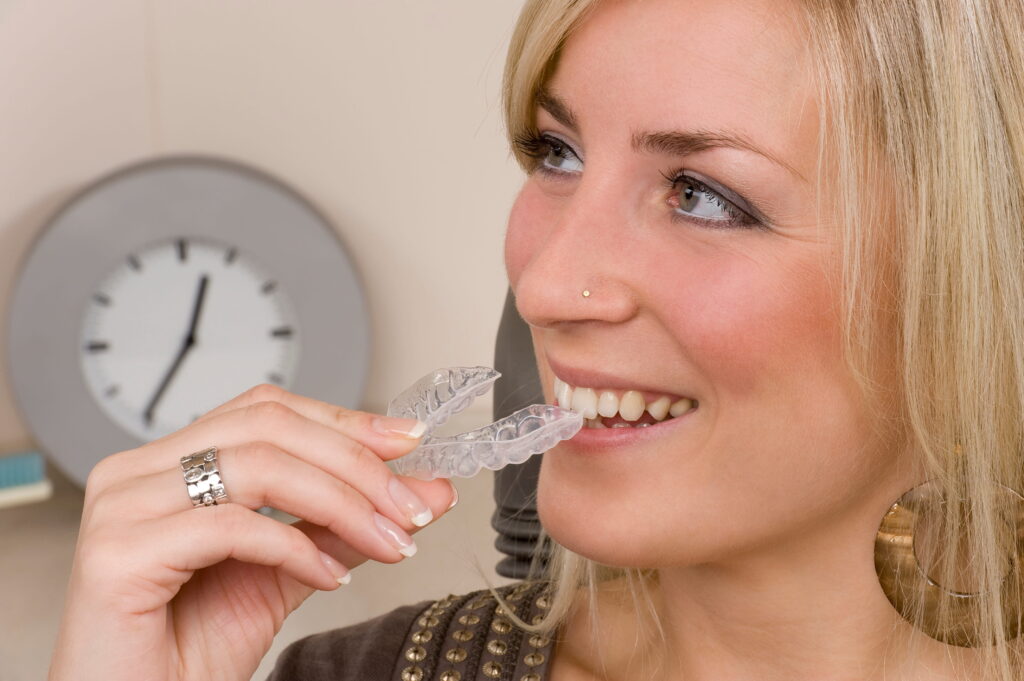
Quick answer Invisalign uses a series of custom clear aligners to move teeth gradually, worn 23 to 24 hours a day. Most cases take 6 to 18 months, and pricing depends on case complexity. A consultation at Mantena Dental & Implant Center gives you an accurate plan and quote. 23-24 hrs/dayRecommended wear time El Dorado Hills, CAOur office location Key takeaways Invisalign works best when aligners are worn 23 to 24 hours a day. Treatment time usually ranges from 6 to 18 months depending on complexity. The first few days of each new set feel the most snug, then ease off. Wearing your retainer after treatment protects your results long-term. A consultation with Dr. Rakesh Mantena gives you a personalized plan and quote. Invisalign FAQ’s Answered: Quick Facts for El Dorado Hills Patients Invisalign is a system of clear, custom aligners that gently move your teeth into a straighter position over time. If you are researching clear aligner questions before your first visit, this guide from Mantena Dental & Implant Center answers what patients in El Dorado Hills ask us most, in plain language and without the confusing jargon. What Invisalign is in one sentence Invisalign is nearly invisible aligners that replace traditional metal brackets and wires to straighten teeth. You wear each set for a period of time, then switch to the next set in your series, and each set continues the small movements planned for your smile. Who is a good candidate at Mantena Dental & Implant Center Most teens and adults with mild to moderate crowding, spacing, or bite concerns are good candidates for Invisalign. Good candidates are also committed to wearing their aligners consistently, since results depend heavily on daily wear. During your visit, Dr. Rakesh Mantena reviews your teeth, gums, and bite to confirm whether clear aligners are the right fit or whether another option would serve you better. If you are also curious about brightening or reshaping your smile, ask about our Cosmetic Dentistry options during the same appointment. How Does Invisalign Work? Invisalign works by applying gentle, steady pressure through a series of custom aligners, and each new set nudges your teeth a little closer to their final position. The process is gradual and planned from the start, so you can often see a preview of your expected result before you even begin. The role of custom clear aligners Each aligner is made from smooth, clear material and shaped to fit your teeth precisely at that stage of your plan. Because they are custom-made, they are comfortable to wear and hard for others to notice. You move through your series in order, wearing each set as directed by our team at Mantena Dental & Implant Center. How teeth move gradually over each set Teeth move because controlled pressure encourages the bone around them to remodel over time. No single aligner does all the work. Instead, each set makes a small, safe adjustment, and the sum of those small steps produces your final smile. This is why staying on schedule matters so much. What the research says about treatment effectiveness Clear aligners are an effective way to straighten many types of cases. A published review looking at the clinical performance of clear aligners found they can successfully correct a range of mild to moderate concerns, and you can read the full analysis in this systematic review on clear aligner effectiveness, which gathered results from multiple studies to weigh how well the treatment performs. For a broader look at how the profession evaluates treatment evidence, the American Dental Association guidance on evidence-based care explains how dentists weigh research when recommending options, which is exactly the standard we hold ourselves to at Mantena Dental & Implant Center. A note from Dr. Rakesh Mantena “The single biggest factor in a great Invisalign result is not the technology; it is you wearing your aligners 23 to 24 hours a day. Patients who stay consistent almost always finish on time and love their results.” How Long Does Invisalign Treatment Take? Invisalign treatment usually takes between 6 and 18 months, though simple cases can finish faster and complex ones may take longer. Your timeline is estimated at the start based on how far your teeth need to move and how consistently you wear your aligners. Typical timelines for mild to complex cases Here is a general guide to what patients can expect, though your plan may differ: Case type Typical range Minor crowding or spacing 6 to 9 months Moderate correction 9 to 15 months More complex correction 15 to 18 months or more These ranges are estimates. Your actual timeline depends on your starting point and, most importantly, your daily wear. Why wearing aligners 23 to 24 hours a day matters Wear time is the number one factor you control. Invisalign is designed to be worn 23 to 24 hours a day, and falling short slows your progress and can push your finish date back. Research on wear protocols found that consistent daily wear supports predictable tooth movement, as detailed in this clinical trial on aligner wear time, which compared different wear schedules to see how they affected results. The takeaway is simple: keep your aligners in as much as possible, and your plan stays on track. Does Invisalign Hurt? Understanding the Hardest Week Invisalign does not usually hurt, but you can expect mild pressure or tenderness, especially in the first few days of a new set. This is a normal sign that your teeth are moving, and most people describe it as manageable rather than painful. What to expect when starting a new set The hardest stretch is often the first week overall, and then the first day or two of each new set after that. New aligners feel snug because they are working on your next planned movement. Within a couple of days, that snug feeling fades as your teeth respond, and by the end of the week most patients barely notice their aligners at all.
Canker Sore vs. Cold Sore: How to Tell the Difference and When to Worry
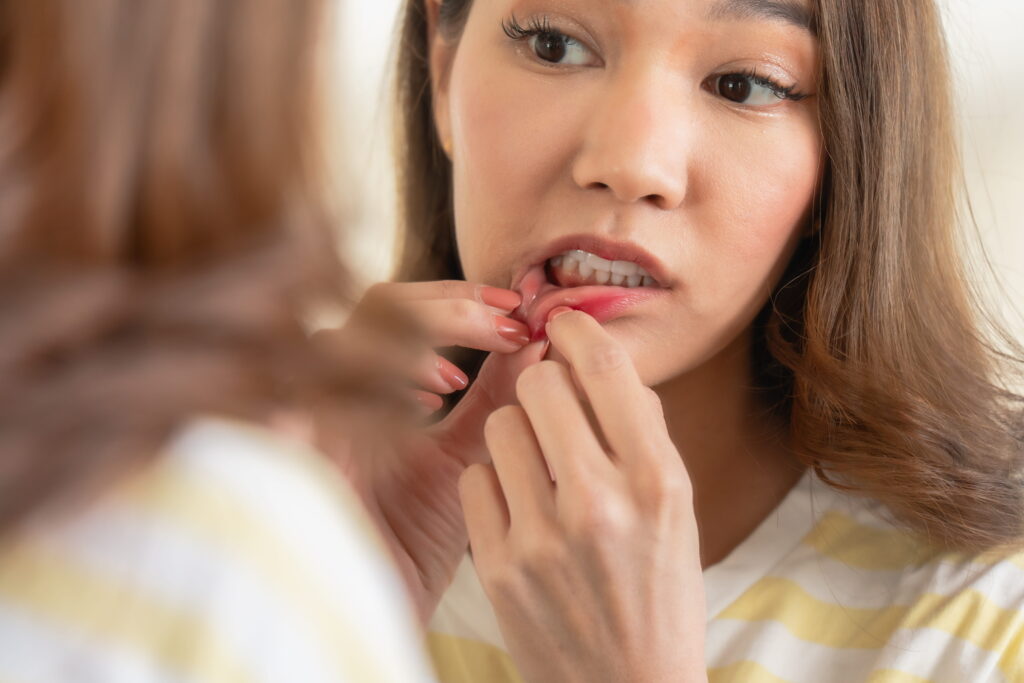
Quick answer The biggest difference between a canker sore and a cold sore is location. Canker sores form inside the mouth and are not contagious, while cold sores appear outside on or around the lips and are caused by a contagious virus. Inside Where canker sores form On the lips Where cold sores form 1–2 weeks Typical healing time Not contagious Canker sores Key takeaways Canker sores develop inside the mouth; cold sores appear on or around the lips. Canker sores are not contagious, but cold sores spread through close contact. Most canker sores and cold sores heal on their own within one to two weeks. A mouth sore that lasts longer than two weeks deserves a professional exam. Mantena Dental & Implant Center offers mouth sore evaluations for El Dorado Hills patients. Canker Sore vs. Cold Sore: The Quick Answer The fastest way to tell a canker sore from a cold sore is to look at where it sits. At Mantena Dental & Implant Center , patients are often reminded that a canker sore forms inside your mouth, while a cold sore shows up on or around your lips. This one detail settles most cases before you look at anything else. The single biggest difference: inside vs. outside the mouth Canker sores live on the soft tissues inside the mouth, such as the inner cheeks, tongue, gums, or the roof of the mouth. Cold sores appear on the outside, most often at the edge of the lip or on the surrounding skin. Canker sores are not contagious. At-a-glance comparison table Feature Canker Sore Cold Sore Location Inside the mouth On or around the lips Contagious No Yes Cause Irritation, stress, triggers Herpes simplex virus Appearance Round ulcer, white or yellow center Cluster of blisters that crust over Early warning Slight soreness Tingling or itching What Is a Canker Sore? A canker sore is a small, painful ulcer that forms on the soft tissue inside your mouth. It is not linked to a virus and cannot be passed to another person. Most are minor and clear up without treatment. What canker sores look like Canker sores are usually round or oval with a white or yellowish center and a red border. They often feel tender before you can even see them. Most are small, though some can grow larger and take more time to heal. Common causes and triggers Canker sores can flare for many reasons. Common triggers include: Minor injuries from a toothbrush, braces, or an accidental cheek bite Acidic or spicy foods Stress and lack of sleep Hormonal changes Certain nutritional gaps Dr. Rakesh Mantena often reminds patients that identifying a personal trigger is one of the most useful steps toward fewer flare-ups. Who tends to get them? Canker sores are very common, and many people get them more than once. They tend to show up more often in younger adults, and some people have a family history of recurring sores. A helpful health overview of mouth ulcers from InformedHealth notes that recurring canker sores are widespread and usually harmless, which is reassuring for anyone who deals with them regularly. What Is a Cold Sore? A cold sore is a cluster of small blisters that forms on or near the lips. It is caused by a virus and is contagious, especially when the blisters are fresh. Cold sores tend to return in the same spot over time. What cold sores look like and where they appear Cold sores start as tiny fluid-filled blisters, often grouped. They usually break open, weep, and then crust over as they heal. They most often appear at the border of the lip, but they can also form on the skin around the mouth or nose. The herpes simplex virus connection Cold sores come from the herpes simplex virus. Once someone is exposed, the virus stays in the body and can become active again later. Outbreaks are often set off by stress, illness, sun exposure, or fatigue. A detailed overview of cold sores from InformedHealth explains how the virus behaves and why the same spot tends to flare repeatedly. Why cold sores are contagious Cold sores spread through direct contact with the sore or the fluid inside the blisters. Sharing cups, utensils, towels, or kissing can pass the virus to others. The risk is highest when a blister is open. Being careful during an outbreak is the best way to protect the people around you. A note from Dr. Rakesh Mantena “When patients ask how to tell these sores apart, I tell them to start with location. Inside the mouth points toward a canker sore, while the lip area points toward a cold sore. That simple check answers the question most of the time.” Key Differences You Can Spot Yourself You can usually tell a canker sore from a cold sore at home by checking four things: location, appearance, warning signs, and whether it can spread. Together, these clues give you a clear picture. Location on the mouth Location is the strongest clue. Canker sores stay inside the mouth on soft tissue. Cold sores form on the outside, along the lips or nearby skin. If you can see the sore without opening your mouth, it is very likely to be a cold sore. Appearance and stages Canker sores appear as a single ulcer or a few separate ulcers with a pale center. Cold sores move through clear stages: tingling, blistering, oozing, crusting, and healing. The blister and crust pattern is a signature of a cold sore that canker sores do not share. Pain, tingling, and warning signs Both can be uncomfortable, but they warn you differently. A canker sore may feel tender for a day before it appears. A cold sore often starts with a tingling, itching, or burning feeling in the same spot before any blister shows. Recognizing that tingle early can help you prepare. Contagiousness This difference matters for the people around you. Canker sores cannot be spread. Cold sores are
Water vs. Other Drinks: Protecting Your Aligners While Staying Hydrated

Quick answer Plain water is the safest drink to have while wearing your aligners because it will not stain, sugar-coat, or damage your trays. Other beverages can trap sugar and color against your teeth, so water is your best friend for both hydration and a clear, clean smile. 23-24 hrs Recommended daily aligner wear Water Safest drink with trays in 60%+ Of the body is water Key takeaways Plain water is the only drink you can enjoy freely with aligners in and no worry about stains or buildup. Sugary sodas, juices, coffee, tea, and colored sports drinks can stain trays and feed bacteria against your teeth. Aligners are meant to be worn 23 to 24 hours a day, so smart hydration habits matter every single day. Staying hydrated supports healthy saliva flow, which naturally rinses your mouth and helps keep trays fresh. Dr. Rakesh Mantena and the team at Mantena Dental & Implant Center can guide your daily habits for better results. Quick Answer: Water Is the Safest Choice for Your Aligners Water is the safest and smartest choice for anyone wearing clear aligners. It keeps you hydrated without staining your trays, coating your teeth in sugar, or leaving behind color or acid that can cause problems. At Mantena Dental & Implant Center, we tell every patient the same simple rule: when your trays are in, water is always a safe companion. Why plain water protects your trays Plain water protects your trays because it has no sugar, dye, or acid to work against them. Aligners fit snugly over your teeth, so anything you sip can pool inside the trays and sit against your enamel. Water simply rinses through and leaves nothing behind, which is why it is the one drink you never have to think twice about. What sets water apart from other beverages Water stands apart because it is clear, neutral, and free of the ingredients that cause staining and buildup. Colored and sweetened drinks can leave a film on both your teeth and your trays. Dr. Rakesh Mantena often reminds patients that choosing water first is one of the easiest ways to keep treatment on track and trays looking clear. A note from Dr. Rakesh Mantena “Water is the one drink I never have to warn my patients about. When trays are worn 23 to 24 hours a day, plain water keeps you hydrated and keeps your smile clean at the same time.” How Different Drinks Affect Your Aligners Different drinks affect your aligners in very different ways, and most of them are less friendly than water. The main concerns are sugar, color, and acid, since all three can linger inside your trays. Below is a closer look at the common beverages our patients ask about. Sugary sodas and juices Sugary sodas and juices are among the least tray-friendly drinks. When sugar becomes trapped between your teeth and your aligners, it feeds bacteria and can lead to buildup and decay. According to a study on clear aligners and oral microbiome changes published in PMC , liquids held against the teeth for long stretches give bacteria more chances to grow, which is exactly why sweet drinks are a concern. Coffee, tea, and staining beverages Coffee, tea, and other dark drinks are known for staining. Their deep color can tint clear trays and dull your smile over time. If you enjoy these drinks, water in between sips helps rinse color away and keeps things fresher. Sparkling and flavored waters Sparkling and flavored waters are trickier than they seem. Many contain added acids or flavoring that can wear on enamel and settle inside trays. Plain still water remains the safer everyday pick. Electrolyte and sports drinks Electrolyte and sports drinks often carry sugar, dye, and acid, so they behave much like soda against your trays. They can help after heavy activity, but they are not a routine hydration choice while your aligners are in. Use these Plain still water throughout the day Water sipped between other drinks to rinse Cool water in warm weather to stay refreshed Avoid these Sugary sodas and fruit juices Coffee, tea, and dark colored drinks Colored or sugary sports drinks Acidic flavored and sparkling waters Staying Hydrated With Aligners In Staying hydrated with aligners in is easy once you lean on water as your main drink. Good hydration supports your whole mouth and helps your trays stay comfortable and clear. Here is why it matters and how to notice when you need more. Why hydration matters for a healthy mouth Hydration matters because a well-watered mouth stays cleaner and more comfortable. When you drink enough water, your mouth produces saliva that naturally rinses food and bacteria away. A dry mouth , on the other hand, lets particles and germs settle more easily against your teeth and trays. How saliva and water work together Saliva and water work as a team to protect your smile. Water keeps saliva flowing, and saliva helps wash your teeth and neutralize the mouth throughout the day. With aligners covering your teeth for most of the day, this natural rinsing is even more valuable. Signs you may not be drinking enough Signs of low hydration include a dry or sticky mouth, thirst, tiredness, and darker urine. If your mouth feels dry under your trays, reach for water first. Small, steady sips are usually better than large amounts all at once. Trapped Liquids, Bacteria, and Your Trays Trapped liquids are the main reason non-water drinks cause trouble with aligners. Because your trays seal against your teeth, whatever you sip can pool inside and stay there. Understanding this helps you make better daily choices. How liquids get trapped against your teeth Liquids get trapped because aligners hug your teeth closely, creating small spaces where drinks can settle. A sip of soda or juice does not simply pass through. Some of it lingers against your enamel, held in place by the tray for long periods. The link between beverages and buildup The link
How Invisalign Can Improve Confidence and Self-Esteem

Meet Dr. Rakesh Mantena Dr. Rakesh Mantena, DDS, is the lead dentist at Mantena Dental & Implant Center and brings over 20 years of experience in providing patient-focused dental care. He earned his dental degree from the University of Southern California and has practiced dentistry internationally in the United Kingdom and India, giving him a broad and well-rounded clinical perspective. Dr. Mantena focuses on dental implants and restorative care, helping patients restore function, comfort, and confidence in their smiles. He believes in clear communication, gentle care, and treatment plans tailored to each patient’s goals. Outside the office, he enjoys spending time with his family and staying up to date with the latest advancements in dentistry. Introduction When patients walk into Mantena Dental & Implant Center concerned about misaligned or crowded teeth, they rarely lead with the clinical details. They talk about feeling embarrassed at social events. Covering their mouth in photographs. Holding back their smile during job interviews or important conversations. The dental concern is real. But the confidence it brings is what truly brings them through the door. Dr. Rakesh Mantena has seen this story more times than he can count. And with Invisalign, he has helped rewrite it just as many times. Why Invisalign Feels Different Right From Day One Here is something that genuinely surprises many people. The confidence boost with Invisalign does not wait until treatment is finished. It begins almost immediately after you start. Think about what traditional braces meant for so many people. Months or years of metal brackets, visible wires, and the unmistakable look of orthodontic treatment on full display every single day. For teenagers, that was already a challenge. For adults, the idea of going through that experience in professional or social settings felt completely out of the question. Many people silently shelved the idea of fixing their smile simply because the treatment itself felt too visible and too uncomfortable to consider. Invisalign and self-esteem, explained by Dr. Rakesh Mantena, naturally fit into this context, highlighting how clear aligners can help individuals regain confidence without the drawbacks of traditional braces. Invisalign removes that barrier entirely. The clear, virtually invisible aligners mean your treatment stays between you and Dr. Rakesh Mantena. Your colleagues will not notice. Your friends will not notice. The person across from you on a first date will not notice. You move through your daily life completely like yourself, while your smile quietly and steadily improves in the background. That sense of control over your own narrative is genuinely powerful. From the very first day of treatment, patients at Mantena Dental & Implant Center consistently describe feeling a surge of optimism. Not because their smile has already changed, but because they have taken action. They are doing something about it. And that decision alone begins shifting how they carry themselves. The Science of Smiling More Freely There is a fascinating piece of science behind what happens when you start smiling without restraint, and it is absolutely worth knowing. Smiling genuinely and openly triggers the release of dopamine, serotonin, and endorphins, which are the brain’s natural feel-good chemicals. This means smiling more freely does not just reflect a better mood. It actively creates one. For people who have spent years suppressing their smile, this natural feedback loop has been quietly disrupted. As Invisalign begins working and patients start seeing early changes in their alignment, something beautiful begins to happen. Smile confidence insights by Dr. Rakesh Mantena fit seamlessly here, emphasizing how clear aligners help restore self-assurance as smiles improve. They start smiling more. First, in private, in front of a mirror. Then in conversation. Then in photographs. Then everywhere. And as that smile opens up, so does everything else. Social interactions feel lighter. Conversations flow more naturally. The low-level anxiety of managing self-consciousness starts to lift. The mental energy previously spent on hiding a smile is redirected toward genuine presence, warmth, and connection. Dr. Rakesh Mantena often says that the most rewarding part of completing an Invisalign case is not just seeing the final clinical result. It is watching a patient walk out of the practice smiling in a way they clearly have not allowed themselves to in years. Confidence That Shows Up at Work Too The ripple effects of smile confidence do not stop at the personal level. They move directly into your professional life as well, often in ways patients did not anticipate. Workplace psychology research has shown that people who smile openly are perceived as more approachable, more competent, and more trustworthy by those around them. Whether you are leading a team, presenting to clients, interviewing for a role, or simply building workplace relationships, the ease with which you show up has a measurable impact on how others respond to you. Clear aligner treatment details naturally tie into this discussion, demonstrating how Invisalign helps patients achieve a confident, professional smile through discreet, effective orthodontic care. When smile insecurity is quietly running in the background of every professional interaction, it costs you more than you realize. Your attention is divided. Your energy is partially consumed. Your authentic personality is filtered through a layer of self-consciousness that dims the full impact you are capable of making. Patients who complete Invisalign treatment at Mantena Dental & Implant Center frequently share that the changes in their professional confidence genuinely caught them off guard. They found themselves volunteering for presentations they previously avoided. Speaking up more naturally in meetings. Pursuing opportunities they had been quietly talking themselves out of for years. A confident smile does not just change how others see you; it changes how you see yourself. It fundamentally changes how you see yourself. Watching Your Progress Is Its Own Kind of Motivation One of the most uniquely rewarding aspects of Invisalign is that the transformation does not arrive all at once at the end. It unfolds gradually, visibly, and progressively throughout the entire treatment journey. With each new set of aligners, your teeth move a little closer to their ideal