Quick answer
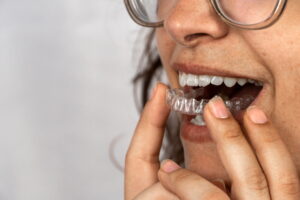
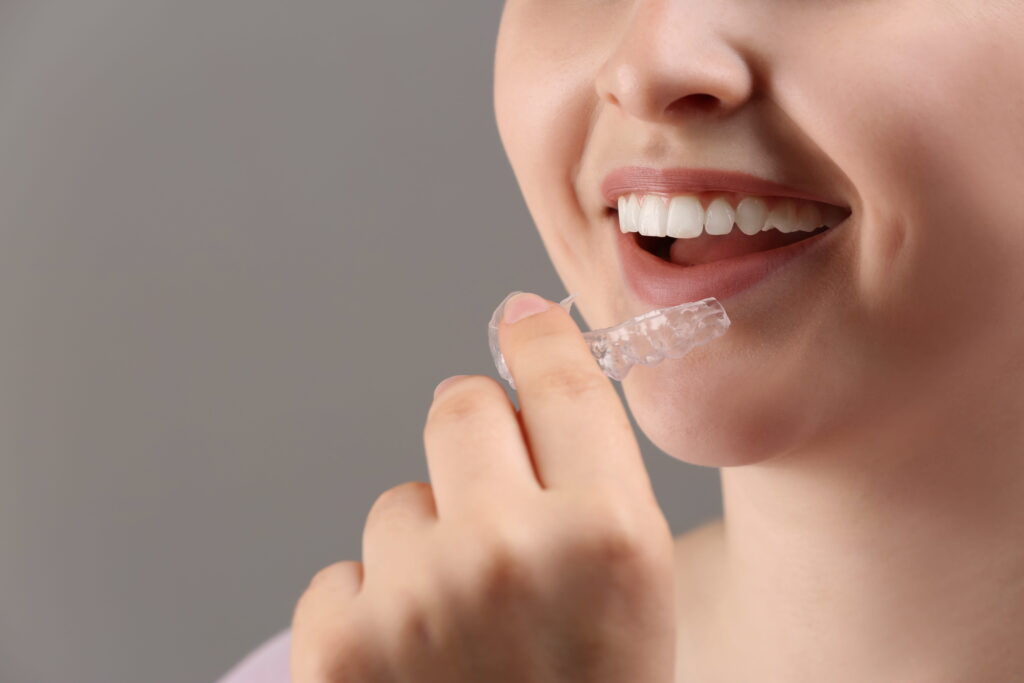
Most adults and teens with healthy teeth and gums, mild to moderate crowding, gaps, or minor bite concerns are good candidates for clear aligners, as long as they can wear the trays about 23 hours a day.
Key takeaways
- Good candidates have healthy teeth and gums, realistic goals, and can wear aligners about 23 hours daily.
- Common cases we treat include crowding, gaps, minor bite concerns, relapse after past treatment, and small rotations.
- Untreated cavities, gum disease, and severe or surgical bite cases can delay or rule out aligner treatment.
- A short candidacy visit with an exam, X-rays, and a digital scan confirms whether clear aligners fit your smile.
- Retainers are essential to keep your results stable after treatment ends.
Are You a Good Candidate for Clear Aligners?
Yes, most people with healthy teeth and gums and mild to moderate spacing, crowding, or bite concerns are good candidates for clear aligners. The biggest factor within your control is consistency, since these trays only work when you wear them close to 23 hours a day. If your goals are realistic and your mouth is healthy, clear aligners are often a comfortable, discreet way to straighten your smile.
Who typically qualifies at a glance
You are usually a strong candidate if you have crowded teeth, small gaps, minor rotations, or a mild to moderate bite issue, and your gums and teeth are free of active problems. Motivated adults and responsible teens tend to do very well because the treatment depends on wearing the trays as directed.
- Healthy, cavity-free teeth and stable gums
- Mild to moderate crowding or spacing
- Willingness to wear aligners for about 23 hours daily
- Reasonable expectations about what a smile can achieve
When another treatment may fit better
Some cases are better served by other options. Severe crowding, large bite discrepancies, or jaw concerns that need surgery may fall outside what clear aligners can predictably fix. In those situations, we will tell you honestly and point you toward a plan that works better for your goals.
What Makes Someone a Good Candidate for Clear Aligners
A good candidate for clear aligners combines a healthy mouth, steady daily wear, and realistic goals. When those three things line up, treatment tends to move smoothly and predictably. Dr. Rakesh Mantena, DDS, looks at all three during your first visit before recommending a plan.
Healthy teeth and gums come first
Your teeth need to be moving through healthy tissue. Active cavities or gum problems have to be treated first, because moving teeth in an unhealthy mouth can make those issues worse. This is why a cleaning and any needed preventive dentistry often come before your aligners begin.
Consistent daily wear time
Clear aligners only work while they are on your teeth. Wearing them about 23 hours a day is what keeps treatment on schedule and your teeth tracking with each new tray. If you take them out for long stretches, movement slows, and your finish date pushes back.
A note from Dr. Mantena
“The patients who love their results are almost always the ones who wear their aligners the full 23 hours a day. The trays do the work, but only when they are in your mouth. Consistency beats complexity every time.” – Dr. Rakesh Mantena, DDS
Realistic goals for your smile
The happiest patients understand what their case can realistically achieve. Clear aligners are excellent at improving alignment and closing minor gaps, and setting honest expectations up front keeps you satisfied with the finish. We walk you through your projected result before you commit.
Common Cases We Treat With Clear Aligners in El Dorado Hills, CA
The most common cases we treat with clear aligners in El Dorado Hills, CA are crowding, spacing, minor bite concerns, relapse after past treatment, and small rotations. These everyday concerns respond well to clear aligners in many patients, which is why they make up the bulk of the smiles we help improve.
Crowded teeth
Crowding happens when there is not enough room for teeth to sit in a straight line, so they overlap or twist. Mild to moderate crowding is one of the most treatable cases with clear aligners. We gently guide crowded teeth into better positions over a series of trays.
Gaps and spacing
Spaces between teeth, whether one noticeable gap or several smaller ones, often close nicely with clear aligners. Closing gaps can also make daily cleaning easier because food is less likely to pack between teeth.
Mild to moderate bite concerns
Some overbites, underbites, and crossbites in the mild to moderate range can be improved with clear aligners. Research supports clear aligners as a reliable choice for many alignment and bite cases within their limits, according to a clear aligner review. Larger bite problems may need a different approach, which we will discuss during your visit.
Relapse after previous treatment
Many adults had braces years ago and stopped wearing a retainer, so their teeth drifted back. This relapse is one of the most satisfying cases to treat because the movements are often minor and the results come quickly. Clear aligners can quietly restore the smile you once had.
Minor rotations and tipping
Teeth that are slightly rotated or tipped are often good candidates for clear aligner correction. These smaller adjustments can make a big visual difference and are frequently part of a broader alignment plan.
How We Confirm You’re a Candidate
We confirm your candidacy with a focused exam, images, and a digital scan of your teeth. This short process tells us whether clear aligners can move your teeth the way you want and how long it will likely take. Nothing is guessed at, and you see the plan before anything begins.
Exam, X-rays, and digital scan
We check the health of your teeth and gums, take X-rays to see below the surface, and capture a digital scan. Together, these show whether your mouth is ready and how your teeth are currently positioned.
Reviewing your plan and timeline
We walk you through the recommended movements, an estimated number of trays, and a realistic timeline. You will know what to expect before you decide.
Seeing how your teeth will move
Using your digital scan, we map out how your teeth shift from start to finish so you can preview the direction of your treatment. This helps you make a confident, informed choice.
What Can Disqualify You From Clear Aligners
You can be disqualified, or asked to wait, if you have untreated cavities or gum disease, a complex bite that needs surgery, or crowding and rotations that are too severe for aligners to correct predictably. Some of these are temporary roadblocks, and others point toward a different treatment path.
Untreated cavities or gum disease
Active decay and gum disease must be handled before aligners begin. This is usually a delay, not a permanent no. Once your mouth is healthy, we can revisit clear aligners with confidence.
Complex bite or jaw cases that need surgery
When a bite problem stems from the jaw itself, aligners alone may not be enough. These cases sometimes need surgical planning, and we will refer you appropriately rather than promise a result aligners cannot deliver.
Severe crowding or rotations
Very severe crowding or heavily rotated teeth can sit outside the predictable range of clear aligners. A consensus of clinicians has outlined where aligner therapy works well and where it reaches its limits, as summarized in this consensus study on aligner indications. In those cases, we will recommend a more suitable option.
Use these
- Treat cavities and gum issues before starting
- Wear aligners for about 23 hours a day
- Clean trays gently as directed
- Wear your retainer after treatment
- Keep every check-in appointment
Avoid these
- Skipping aligner wear for hours at a time
- Expecting aligners to correct surgical bite cases
- Ignoring your retainer after treatment
- Delaying care for worsening dental problems
How Well Do Clear Aligners Work?
Clear aligners work very well for the mild to moderate cases they are designed to treat, especially when you wear them consistently and follow your plan. Results are most reliable when your case is a good match, and you keep up with your trays and appointments.
What the research shows about results
Studies show clear aligners can produce successful, stable outcomes for suitable cases, with a strong track record when patients follow instructions, as noted in this review on aligner stability and success. The takeaway is simple: match the right case with steady wear, and results follow.
The role of attachments and gentle reshaping
Small tooth-colored bumps called attachments can be added to give aligners a better grip on certain teeth, and a tiny amount of enamel reshaping between teeth is sometimes used to create room. These tools help teeth move more precisely and are only used when they genuinely help your plan.
Keeping results stable with retainers
Retainers are how you protect your investment. Teeth naturally want to drift, so wearing a retainer as directed keeps your new smile in place. Skipping it is the most common reason people end up needing treatment a second time.
Your Next Step in El Dorado Hills
Your next step is a simple candidacy visit where we confirm whether clear aligners fit your smile and goals. It is a low-pressure conversation built around your mouth, your timeline, and your budget. You can also explore related options through our cosmetic dentistry services.
Booking a candidacy consultation
Call our El Dorado Hills, CA office at 916-939-6777 to schedule. We will examine your teeth, capture a scan if appropriate, and tell you honestly whether clear aligners are a good match. For directions, use the helpful Google Map or get step-by-step navigation through Get Directions.
Questions to bring to your visit
- Am I a good candidate for clear aligners?
- How long will my treatment likely take?
- What is my total cost, including retainers?
- What happens if my teeth need extra help to move?
Frequently asked questions
Q: Who is a good candidate for clear aligners?
A good candidate has healthy teeth and gums, mild to moderate crowding, spacing, or bite concerns, realistic goals, and the discipline to wear the aligners about 23 hours a day. Motivated adults and responsible teens tend to do very well.
Q: How do you tell if you’re a good candidate for Invisalign?
The clearest way is a short candidacy visit with an exam, X-rays, and a digital scan. This shows whether your teeth and gums are healthy and whether clear aligners can move your teeth the way you want, along with an estimated timeline.
Q: What disqualifies you from clear aligners?
Untreated cavities or gum disease can delay treatment until they are resolved. Bite or jaw problems that need surgery, and very severe crowding or rotations, may fall outside what clear aligners can predictably correct, so a different plan may be recommended.
Meet Dr. Rakesh Mantena
Dr. Rakesh Mantena, DDS, is the lead dentist at Mantena Dental & Implant Center and brings over 20 years of experience in providing patient-focused dental care. He earned his dental degree from the University of Southern California and has practiced dentistry internationally in the United Kingdom and India, giving him a broad and well-rounded clinical perspective.
Dr. Mantena focuses on dental implants and restorative care, helping patients restore function, comfort, and confidence in their smiles. He believes in clear communication, gentle care, and treatment plans tailored to each patient’s goals. Outside the office, he enjoys spending time with his family and staying up to date with the latest advancements in dentistry.
Remember:
Clear aligners work best when your teeth and gums are healthy, your case is suitable, and you wear the trays for about 23 hours each day. A professional examination, X-rays, and a digital scan are necessary to confirm whether clear aligners are right for you.
Disclaimer:
This content is for general educational purposes only and should not replace professional dental advice, diagnosis, or treatment. Consult Dr. Rakesh Mantena or your dentist for recommendations based on your individual oral health and orthodontic needs.