
Will Botox for Jaw Clenching Change the Shape of My Face?
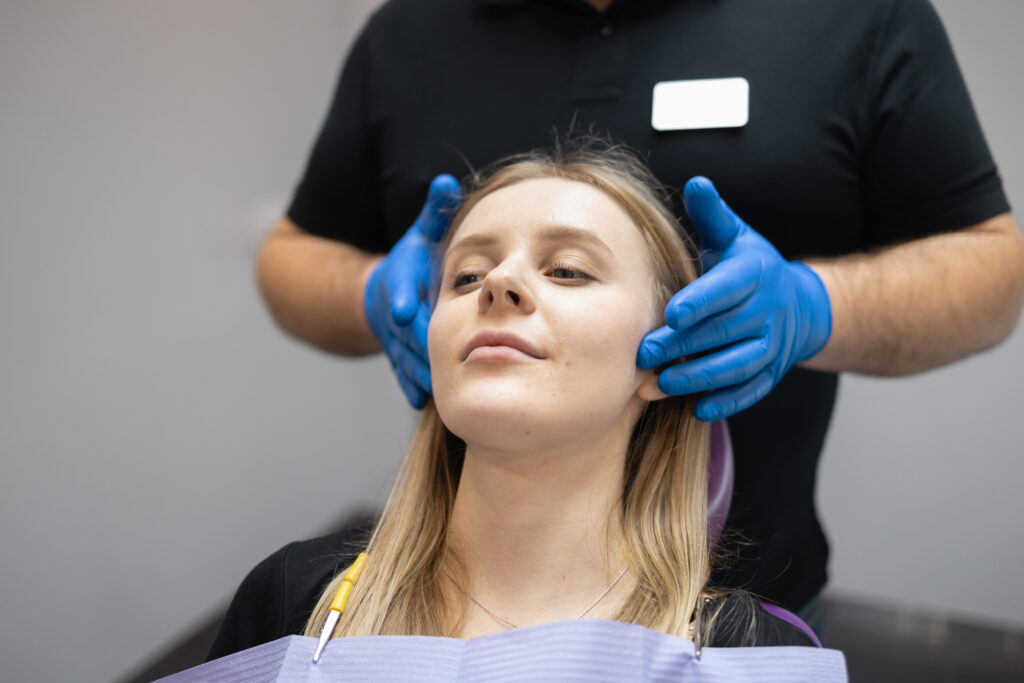
Quick answer Yes, Botox for jaw clenching can gradually soften a square or bulky jawline because it relaxes the masseter muscle, which shrinks slightly with less use. This slimming effect is subtle, develops over several weeks, and fades if you stop treatment. 4-8 weeks Typical time to see jaw softening 3-6 months How long results usually last Reversible Face change is not permanent Key takeaways Botox for jaw clenching can make the lower face look slimmer by relaxing an overworked masseter muscle. The face change is gradual and usually noticeable within four to eight weeks. The slimming effect is not permanent and reverses if you stop treatment. The same treatment often eases clenching, grinding, and related jaw pain. A dental visit in El Dorado Hills can confirm whether you are a good candidate. Schedule a consultation Can Botox for Jaw Clenching Change Your Face Shape? Yes, Botox for jaw clenching can change the shape of your face, usually by making the lower face look a little slimmer over time. The effect is gentle, gradual, and reversible, not a dramatic overnight makeover. The short answer When you treat a heavily used jaw muscle with Botox for TMJ, that muscle relaxes and slims down slightly with less activity. If you have a wide or square lower face caused by an enlarged chewing muscle, you may notice a softer, more tapered jawline after a few weeks. If your jaw width comes mostly from your bone structure, the change will be minor. Why does this change happen? The masseter is the thick muscle at the back corner of your jaw that you feel bulge when you bite down. Years of clenching and grinding can enlarge it, much like any muscle that gets a heavy workout. Botox for jaw clenching calms that muscle so it works less forcefully, and over time it can shrink a bit, which softens the jawline. A note from Dr. Mantena “Most patients come to me for relief from clenching and grinding, and the slimmer jawline is a welcome bonus rather than the main goal. When the muscle relaxes, the pain eases first, and the softer facial contour follows over the next month or two.” – Dr. Rakesh Mantena, DDS How Botox Works for Jaw Clenching Botox for jaw clenching works by gently relaxing the chewing muscle so it cannot squeeze as hard. This reduces the force behind clenching and grinding, which is what causes so much of the discomfort. What the injection does to the muscle For Botox for headaches linked to jaw tension, a small amount is placed into the masseter muscle on each side of the jaw. The muscle stays functional enough for normal chewing and speaking, but it loses the ability to clamp down with the intense, involuntary force that happens during stress or sleep. Because the muscle is calmer and used less forcefully, it slowly slims down, which is the same reason your face may look narrower later on. How it eases clenching and grinding pain Many people who grind their teeth wake up with a sore jaw, tension, and tightness around the temples. By softening the clenching force, Botox for jaw clenching often relieves that soreness and morning tightness. Research on managing teeth grinding supports using this approach to reduce muscle overactivity, and you can read a general overview of grinding management in this bruxism management guide. Some patients also explore Botox for TMJ concerns and Botox for headaches that stem from a constantly tense jaw. Why Your Face May Look Slimmer After Treatment Your face may look slimmer after treatment because the enlarged chewing muscle relaxes and reduces in size, softening the width at the corners of your jaw. The enlarged masseter and a square jaw Long-term clenching, often treated with Botox for TMJ, builds up the masseter muscle the way repeated lifting builds an arm muscle. When that muscle is bulky on both sides, it widens the lower face and can create a squared-off look. This is a common reason people notice their jaw looks stronger or wider than it used to. Grinding really can change how the lower face looks over time. How muscle reduction softens the lower face Once the muscle is doing less heavy work, it gradually becomes smaller, and the jawline appears more tapered and smooth. The change is proportional to how much of your jaw width came from muscle in the first place. People with a mostly muscular squareness see a clear softening, while those whose width comes from bone see a smaller shift. The masseter Botox face shape effect is real but modest and natural-looking. Good reasons to expect a face change A visibly bulky muscle at the jaw corners A square lower face that flexes when you bite History of heavy clenching or grinding Jaw soreness plus a widened appearance Reasons the change may be small Jaw width driven mainly by bone structure A naturally slim chewing muscle Very low treatment amounts Skipping follow-up visits How Long Before You See a Change in Face Shape? Most people begin to see a change in face shape about four to eight weeks after treatment, with the fullest softening around two to three months. Typical timeline for muscle softening The pain relief tends to come first, often within a couple of weeks, because the muscle stops clenching so forcefully, which is also why some patients consider Botox for headaches linked to jaw tension. The visible slimming takes longer because the muscle needs time to shrink from reduced use. This is why the TMJ Botox face slimming effect is gradual rather than sudden. 1 Week 1 to 2 The jaw feels less tense, and clenching eases. There is little visible change yet. 2 Week 3 to 4 Morning soreness usually improves, and the muscle starts to relax more fully. 3 Week 4 to 8 The jawline begins to look softer as the muscle slims from reduced activity. 4 Week 8 to 12 The face-shape change reaches its peak for
What to Expect During a Botox Treatment for TMJ at the Dentist’s Office

Quick answer The biggest difference between a canker sore and a cold sore is location. Canker sores form inside the mouth and are not contagious, while cold sores appear outside on or around the lips and are caused by a contagious virus. 15-30 minTypical appointment length 1-2 weeksWhen relief usually begins 3-4 monthsHow long results often last MinimalDowntime after treatment Key takeaways A typical TMJ Botox visit lasts 15 to 30 minutes with little to no downtime. Most people feel relief within one to two weeks, and results often last three to four months. Only a small pinch is felt during the injections, and numbing options can help. A thorough consultation with Dr. Rakesh Mantena, DDS, confirms whether you are a good candidate. Botox works best when paired with other jaw-health approaches at Mantena Dental & Implant Center. Botox for TMJ at a Glance: What Happens During Your Visit A Botox treatment for TMJ at the dentist’s office is a quick, in-office visit built around a few precise injections into the jaw muscles that carry too much tension. From start to finish, most appointments take only 15 to 30 minutes, and you can usually return to your normal day right away. At Mantena Dental & Implant Center in El Dorado Hills, CA, the goal is simple: calm the overworked muscles that cause jaw pain, clenching, and soreness so you can chew, talk, and rest more comfortably. The short answer: what a typical appointment looks like Your visit begins with a short check-in and a review of your goals, followed by a gentle exam of your jaw. Dr. Rakesh Mantena, DDS, then marks a few injection points, cleans the skin, and delivers small doses of botulinum toxin into the tight muscles. You will be upright and awake the entire time, and most people describe the process as fast and far easier than they expected. Why some dental offices offer this treatment Dentists spend their careers studying the muscles, joints, and nerves of the head and neck, which makes the jaw a natural area of focus. Because TMJ pain often ties directly to clenching, grinding, and bite pressure, a dental setting is a fitting place to address the muscles involved. Mantena Dental & Implant Center offers this option as one part of a broader plan for jaw comfort, alongside services you can explore under our Cosmetic Dentistry care. Understanding TMJ and How Botox May Help TMJ disorders affect the joints and muscles that connect your lower jaw to your skull, and Botox may help by relaxing the muscles that overwork and trigger pain. When those muscles stay tense from clenching or grinding, they can create a cycle of soreness, stiffness, and headaches. Easing that tension is where botulinum toxin can play a supportive role. What TMJ disorders are and their common symptoms TMJ disorders describe a group of problems affecting the jaw joint and surrounding muscles. Common signs include jaw pain or tenderness, clicking or popping sounds, difficulty opening wide, facial soreness, and frequent tension headaches. Many people also notice their jaw feels tired after meals or that they wake up with a clenched, aching jaw. These symptoms can come and go, which is why a careful evaluation matters before choosing any treatment. How botulinum toxin relaxes the jaw muscles Botox works by gently reducing the strength of the muscle contractions that keep your jaw clenched. When the large chewing muscles cannot squeeze as forcefully, the constant pressure on the joint eases, and the pain that comes with it often follows. Importantly, the treatment targets muscle activity without affecting your ability to eat or speak normally when placed correctly by a trained provider. What the research says about effectiveness Research on Botox for jaw pain is encouraging while still developing. A detailed review published in the National Library of Medicine found that botulinum toxin can reduce pain and muscle activity for many people with jaw disorders, though results vary from person to person, and you can read the full analysis in this systematic review of botulinum toxin for temporomandibular disorders. Because the evidence is mixed for some patients, Dr. Rakesh Mantena, DDS, treats Botox as one helpful tool rather than a guaranteed cure, and he sets expectations honestly during your consultation. A note from Dr. Mantena “I always tell my patients that Botox for TMJ is about calming the muscles that are working overtime. When we pair it with the right daily habits, many people finally get a break from the clenching cycle they have lived with for years.” Before Your Appointment: Consultation and Evaluation Before any injection, you will have a consultation where Dr. Rakesh Mantena, DDS, confirms that Botox is a sensible choice for your jaw pain. This step protects your safety and helps set goals you can actually reach. No two jaws are the same, so this evaluation shapes exactly where and how much product is used. The initial exam and jaw assessment During the exam, your dentist feels the muscles along your cheeks and temples, checks how far you can open, and listens for clicking or grinding. You may be asked to clench so the strongest muscles can be identified. This hands-on assessment tells the provider which muscles are driving your discomfort and where injections would do the most good. Reviewing your health history and current medications You will share your full health history, including any conditions affecting your muscles or nerves, pregnancy or breastfeeding status, allergies, and every medication or supplement you take. Some medications can interact with botulinum toxin, so this review is not a formality. Being open here helps Mantena Dental & Implant Center keep your treatment safe and effective. Setting realistic goals and expectations This is the moment to talk honestly about what you hope to feel. Botox often reduces pain and clenching, but it may not erase every symptom, and results build gradually rather than instantly. Setting clear, realistic goals means you will know what success looks like and when to expect