Quick answer
The biggest difference between a canker sore and a cold sore is location. Canker sores form inside the mouth and are not contagious, while cold sores appear outside on or around the lips and are caused by a contagious virus.
Key takeaways
- A typical TMJ Botox visit lasts 15 to 30 minutes with little to no downtime.
- Most people feel relief within one to two weeks, and results often last three to four months.
- Only a small pinch is felt during the injections, and numbing options can help.
- A thorough consultation with Dr. Rakesh Mantena, DDS, confirms whether you are a good candidate.
- Botox works best when paired with other jaw-health approaches at Mantena Dental & Implant Center.
Botox for TMJ at a Glance: What Happens During Your Visit
A Botox treatment for TMJ at the dentist’s office is a quick, in-office visit built around a few precise injections into the jaw muscles that carry too much tension. From start to finish, most appointments take only 15 to 30 minutes, and you can usually return to your normal day right away. At Mantena Dental & Implant Center in El Dorado Hills, CA, the goal is simple: calm the overworked muscles that cause jaw pain, clenching, and soreness so you can chew, talk, and rest more comfortably.
The short answer: what a typical appointment looks like
Your visit begins with a short check-in and a review of your goals, followed by a gentle exam of your jaw. Dr. Rakesh Mantena, DDS, then marks a few injection points, cleans the skin, and delivers small doses of botulinum toxin into the tight muscles. You will be upright and awake the entire time, and most people describe the process as fast and far easier than they expected.
Why some dental offices offer this treatment
Dentists spend their careers studying the muscles, joints, and nerves of the head and neck, which makes the jaw a natural area of focus. Because TMJ pain often ties directly to clenching, grinding, and bite pressure, a dental setting is a fitting place to address the muscles involved. Mantena Dental & Implant Center offers this option as one part of a broader plan for jaw comfort, alongside services you can explore under our Cosmetic Dentistry care.
Understanding TMJ and How Botox May Help
TMJ disorders affect the joints and muscles that connect your lower jaw to your skull, and Botox may help by relaxing the muscles that overwork and trigger pain. When those muscles stay tense from clenching or grinding, they can create a cycle of soreness, stiffness, and headaches. Easing that tension is where botulinum toxin can play a supportive role.
What TMJ disorders are and their common symptoms
TMJ disorders describe a group of problems affecting the jaw joint and surrounding muscles. Common signs include jaw pain or tenderness, clicking or popping sounds, difficulty opening wide, facial soreness, and frequent tension headaches. Many people also notice their jaw feels tired after meals or that they wake up with a clenched, aching jaw. These symptoms can come and go, which is why a careful evaluation matters before choosing any treatment.
How botulinum toxin relaxes the jaw muscles
Botox works by gently reducing the strength of the muscle contractions that keep your jaw clenched. When the large chewing muscles cannot squeeze as forcefully, the constant pressure on the joint eases, and the pain that comes with it often follows. Importantly, the treatment targets muscle activity without affecting your ability to eat or speak normally when placed correctly by a trained provider.
What the research says about effectiveness
Research on Botox for jaw pain is encouraging while still developing. A detailed review published in the National Library of Medicine found that botulinum toxin can reduce pain and muscle activity for many people with jaw disorders, though results vary from person to person, and you can read the full analysis in this systematic review of botulinum toxin for temporomandibular disorders. Because the evidence is mixed for some patients, Dr. Rakesh Mantena, DDS, treats Botox as one helpful tool rather than a guaranteed cure, and he sets expectations honestly during your consultation.
A note from Dr. Mantena
“I always tell my patients that Botox for TMJ is about calming the muscles that are working overtime. When we pair it with the right daily habits, many people finally get a break from the clenching cycle they have lived with for years.”
Before Your Appointment: Consultation and Evaluation
Before any injection, you will have a consultation where Dr. Rakesh Mantena, DDS, confirms that Botox is a sensible choice for your jaw pain. This step protects your safety and helps set goals you can actually reach. No two jaws are the same, so this evaluation shapes exactly where and how much product is used.
The initial exam and jaw assessment
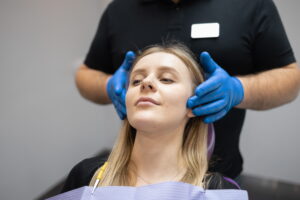
During the exam, your dentist feels the muscles along your cheeks and temples, checks how far you can open, and listens for clicking or grinding. You may be asked to clench so the strongest muscles can be identified. This hands-on assessment tells the provider which muscles are driving your discomfort and where injections would do the most good.
Reviewing your health history and current medications
You will share your full health history, including any conditions affecting your muscles or nerves, pregnancy or breastfeeding status, allergies, and every medication or supplement you take. Some medications can interact with botulinum toxin, so this review is not a formality. Being open here helps Mantena Dental & Implant Center keep your treatment safe and effective.
Setting realistic goals and expectations
This is the moment to talk honestly about what you hope to feel. Botox often reduces pain and clenching, but it may not erase every symptom, and results build gradually rather than instantly. Setting clear, realistic goals means you will know what success looks like and when to expect it.
Step by Step: What Happens During the Treatment
The treatment itself is a short, orderly process with only a few simple stages. Knowing each step ahead of time removes much of the nervousness people feel before their first visit.
Marking the injection sites
Your provider identifies and marks the specific muscle points where the injections will go, usually in the cheeks and temples. Precise marking makes sure the product reaches the muscles causing your pain and avoids areas that do not need treatment.
The injection process and how long it takes
Using a very fine needle, small doses are placed into each marked spot. This part typically takes just a few minutes because the doses are small and the number of sites is limited. You stay seated upright throughout.
What the injections feel like
Most patients feel a brief pinch or slight sting with each injection, similar to a small poke. The needle is thin, and the discomfort passes quickly. A numbing option or a cool compress can be used if you feel anxious about the sensation.
Staying comfortable during the visit
You will not be sedated for this treatment, so you can drive yourself home and get back to your routine. If you feel tense, let the team know, because simple comforts like slow breathing and short breaks between injections make the visit smoother.
After the Injections: Recovery and What to Expect
Recovery from a TMJ Botox treatment is easy, with little to no downtime for most people. You can leave the office and continue your day, keeping a few simple guidelines in mind for the first several hours.
Immediate aftercare instructions
For the first four to six hours, avoid rubbing or massaging the treated areas and try to stay upright rather than lying flat. It is also wise to skip heavy workouts for the rest of the day. These small steps help the product settle exactly where it was placed. Mild redness or a small bump at an injection site usually fades quickly.
When you’ll start noticing relief
Botox does not work instantly. Most people begin to feel their jaw muscles soften within a few days, with fuller relief from pain and clenching arriving around one to two weeks after treatment. If you do not notice change right away, that is normal.
How long the results typically last
Relief from a single treatment often lasts about three to four months, though this varies with your muscle strength and habits. As the effect fades and symptoms return, many patients schedule a follow-up to maintain their comfort. Over time, some people find their clenching habit eases, and treatments can be spaced further apart.
Find us
To schedule an evaluation in El Dorado Hills, CA, call 916-939-6777. For directions, use the helpful Google Map or get step-by-step navigation through Get Directions.
Meet Dr. Rakesh Mantena
Dr. Rakesh Mantena, DDS, is the lead dentist at Mantena Dental & Implant Center and brings over 20 years of experience in providing patient-focused dental care. He earned his dental degree from the University of Southern California and has practiced dentistry internationally in the United Kingdom and India, giving him a broad and well-rounded clinical perspective.
Dr. Mantena focuses on dental implants and restorative care, helping patients restore function, comfort, and confidence in their smiles. He believes in clear communication, gentle care, and treatment plans tailored to each patient’s goals. Outside the office, he enjoys spending time with his family and staying up to date with the latest advancements in dentistry.
Frequently asked questions
Q: How long does a Botox treatment for TMJ take at the dentist’s office?
Most Botox treatments for TMJ take only 15 to 30 minutes from start to finish. The injections themselves take just a few minutes, and the rest of the visit covers your check-in, a short jaw review, and marking the treatment sites. Because there is no sedation and little downtime, most patients drive themselves home and return to their normal day right away.
Q: Does getting Botox for TMJ hurt?
Most people feel only a brief pinch or slight sting with each injection, similar to a small poke. The needle used is very fine, so the discomfort is minor and passes quickly. If you feel anxious, a numbing option or a cool compress can make the experience more comfortable. Many patients say the process was far easier than they expected before their first visit.
Q: How soon will I feel relief from TMJ pain after Botox?
Botox does not work instantly. Most people begin to notice their jaw muscles softening within a few days, with fuller relief from pain and clenching arriving about one to two weeks after treatment. If you do not feel a change right away, that is completely normal. Dr. Rakesh Mantena, DDS, will let you know when to expect your best results based on your muscles and symptoms.
Q: How long do the results of Botox for TMJ last?
Relief from a single treatment usually lasts about three to four months, though this varies with your muscle strength and clenching habits. As the effect wears off and symptoms return, many patients schedule a follow-up visit to maintain their comfort. Over time, some people find their clenching eases, and treatments can be spaced further apart, which the team at Mantena Dental & Implant Center will track with you.
Q: Is Botox for TMJ safe?
Botox for TMJ is generally well tolerated when performed by a trained, credentialed provider. The most common reactions are mild, such as slight bruising, redness, or a temporary headache. A thorough health history review beforehand helps rule out anyone who may not be a good candidate, including those who are pregnant, breastfeeding, or have certain nerve or muscle conditions. Careful placement by a skilled dentist keeps the treatment safe and comfortable.
Q: Can a dentist perform Botox injections for TMJ?
Yes, a dentist who has completed the proper training and credentialing can perform Botox injections for TMJ. Dentists study the muscles, joints, and nerves of the head and neck in depth, which makes the jaw a natural area of focus. At Mantena Dental & Implant Center in El Dorado Hills, CA, Dr. Rakesh Mantena, DDS offers this option as one part of a broader plan for jaw comfort and overall dental care.
Remember:
Remember that Botox for TMJ is one part of a wider jaw-care plan, and your results depend on your own body and habits.
Disclaimer:
This article is for general information only and does not replace a personal consultation and advice from a qualified dentist.