Winter in El Dorado Hills brings crisp mornings, foggy drives, and the occasional cold snap that reminds us how quickly temperatures can shift. Seasonal changes can be refreshing, but for individuals who rely on Invisalign, a sudden drop in temperature can become a surprising threat to treatment success. At Mantena Dental & Implant Centre, patients often ask how cold weather affects aligners and whether freezing temperatures can damage their progress. Just as travel, diet, and lifestyle habits require thoughtful planning, so does weather protection when it comes to Invisalign.
If you have ever wondered how to safeguard your Invisalign trays from the deep chill of winter, you are not alone. This comprehensive guide brings together expert insights, practical winter strategies, and a full breakdown of how temperature affects aligner quality. Throughout this blog, you will also discover helpful internal resources, such as our detailed Invisalign page and our wide range of services, so that you can stay informed about every step of your journey.
Much like preparing your vehicle or home for seasonal changes, taking the right steps to shield your aligners keeps your treatment efficient and predictable. Cold conditions can influence the flexibility and stability of the aligner material. While Invisalign is engineered to withstand everyday wear and tear, extreme environments can test its resilience. When you understand how to handle your aligners in colder weather, you gain greater confidence and control over your treatment outcome.
In this blog, we will explore how winter weather interacts with Invisalign material, how to prevent damage, and what strategies are recommended during cold snaps. You will also find essential seasonal advice woven throughout, including how to wear aligners consistently for 23 to 24 hours a day, how temperature exposure affects comfort, and how taking simple precautions can keep tray integrity intact all season long.
Why Cold Weather Matters for Invisalign Wearers
Most people know that heat can warp plastic. Still, few realize that extreme cold can also cause materials to lose flexibility. Invisalign trays are made from a specialized, medical-grade thermoplastic engineered for comfort and resilience. While durable, the trays can become more rigid when exposed to harsh cold conditions.
Rigid aligners may not fit as comfortably, which can affect the micro-movements needed for accurate tooth alignment. This is where winter care comes into play, especially during weather fluctuations. When temperatures shift rapidly, the trays can contract slightly, making them feel tighter or less flexible.
Dr. Rakesh Mantena’s tips for Invisalign care in cold weather include understanding how temperature fluctuations influence aligner fit and knowing how to keep trays safe from cold air exposure. Wearing aligners consistently remains the foundation for effective treatment, but learning proper winter habits helps maintain that consistency even on frosty mornings or during sudden cold snaps.
Understanding Temperature Sensitivity: A Look at Aligner Material
To appreciate why cold weather requires extra attention, it helps to explore how aligner material reacts to different temperature ranges. The thermoplastic used in Invisalign is intentionally designed to respond to slight temperature changes. This responsiveness ensures the aligners adapt comfortably to your mouth, creating a secure fit for tooth movement.
However, extreme cold can shift this temperature balance. When the tray is chilled beyond its normal range, it becomes more inflexible. If left exposed long enough, the tray can lose its precise shape, compromising its ability to move teeth as intended. Protecting Invisalign trays from temperature changes – Dr. Rakesh Mantena recommends staying mindful of how quickly aligners can react to cold environments, especially when transitioning between indoor and outdoor spaces.
At Mantena Dental & Implant Centre, patient education is an essential part of treatment. The more you understand how aligners respond to cold weather, the easier it becomes to implement preventive strategies that protect treatment progress.
Cold Snap Challenges: What Happens When Aligners Get Too Cold
Winter conditions can create several scenarios that put aligners at risk. For instance, stepping outside on a frosty morning, holding the aligners near drafty windows, or exposing them to cold surfaces can temporarily affect their shape.
Here are the most common issues Invisalign wearers face during cold snaps:
1. Increased Rigidity
Cold temperatures make aligners feel stiffer. Although temporary, this stiffness can make the tray feel uncomfortable during the initial minutes of wearing.
2. Reduced Flexibility
Flexibility is essential for the tray to form to your teeth. When trays become overly cold, they may not mold as comfortably until they warm back up to body temperature.
3. Potential Micro-Distortion
While rare, prolonged exposure to freezing temperatures can cause minor distortions that compromise aligner precision.
Dr. Rakesh Mantena’s advice on Invisalign during the winter months emphasizes being aware of these risks and taking simple daily steps to keep aligners at a safe and stable temperature.
Learn the Winter Invisalign Care Tips From Dr. Rakesh Mantena
Cold weather presents unique challenges, but with thoughtful habits, you can protect your trays throughout the season. Learn the winter Invisalign care tips from Dr. Rakesh Mantena to keep your trays functioning optimally even during sudden temperature drops.
These recommendations integrate seamlessly into your daily routine and help maintain proper tray structure, ensuring your treatment stays on track.
1. Store Aligners in Their Case When Not in Use
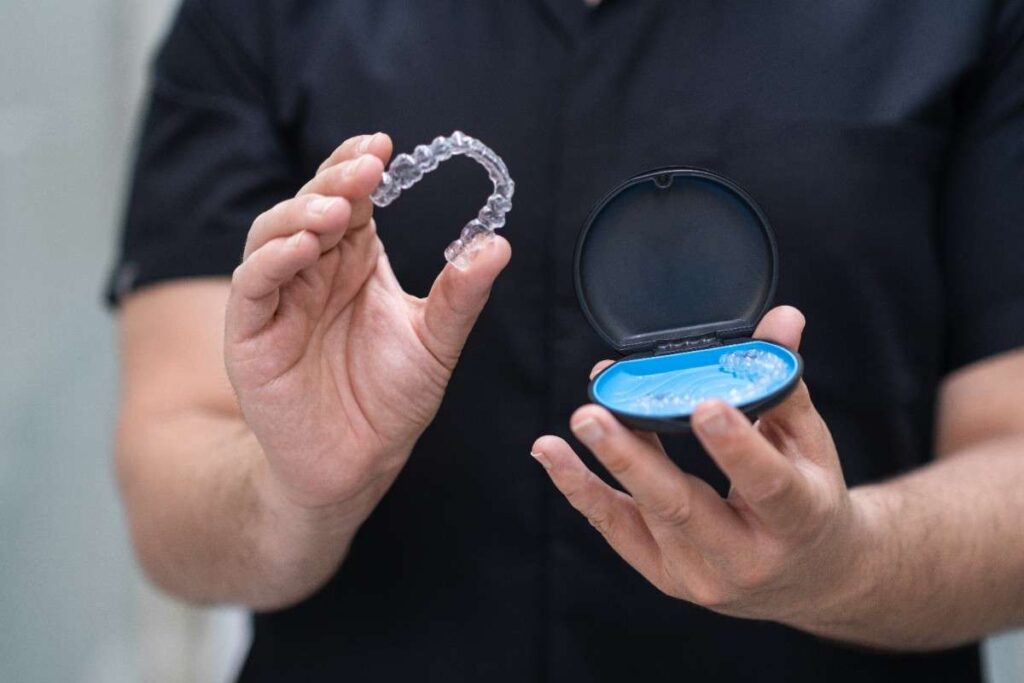
Even during cold weather, your aligner case offers essential protection. Hard plastic cases insulate better than open air and help shield Invisalign trays from sudden temperature exposure.
2. Hold Aligners Close to Your Body When Outside
If you need to briefly remove your aligner case from your bag or pocket while outdoors, keeping it close to your body helps maintain a stable temperature.
3. Avoid Leaving Aligners Near Car Windows or Drafty Areas
Cars can drop to near freezing quickly, especially overnight. Keeping your aligners away from car interiors prevents exposure to unregulated temperatures.
4. Wear Aligners for 23 to 24 Hours Daily
Consistent wearing time prevents unnecessary temperature fluctuations. The warmth of your mouth naturally keeps trays at a safe temperature.
5. Eat and Drink While Wearing Aligners According to Your Treatment Plan
Winter beverages are tempting, and your treatment plan may include specific instructions that allow you to eat and drink while wearing aligners. Consistency keeps the trays warm and flexible, safeguarding them from cold shocks.
Find Dr. Rakesh Mantena’s advice on keeping trays safe from extreme temperatures by staying aware of where your aligners are placed and how quickly winter conditions can influence material flexibility.
Extreme Weather Invisalign Precautions With Dr. Rakesh Mantena
Extreme weather Invisalign precautions with Dr. Rakesh Mantena revolve around routine awareness and simple preparedness. You do not need to overhaul your daily schedule, but paying attention to environmental changes ensures your aligner trays remain steady and unaffected.
Some additional weather-specific precautions include:
Carry a Protective Case Everywhere
Unexpected situations such as cold winds or outdoor errands can expose your trays to low temperatures. A case eliminates this risk by creating an insulating barrier.
Warm Your Hands Before Handling Trays
If you need to adjust your aligners outdoors, warming your hands first prevents chilled fingers from transferring cold to the tray material.
Transition Gradually Between Cold and Warm Environments
Sudden temperature shifts can stress the aligner material. A gradual transition, such as pausing in an entryway before stepping inside, helps stabilize the tray temperature.
Avoid Air Vents and Open Car Windows
Cold air blowing directly onto the aligner case can create unnecessary exposure.
Get Dr. Rakesh Mantena’s guidance for Invisalign care during cold snaps by practicing protective habits that keep trays stable, flexible, and comfortable all winter.
Discover How Dr. Rakesh Mantena Suggests Protecting Invisalign in Cold Weather
When it comes to maintaining aligner quality during winter, preparation is your greatest asset. Discover how Dr. Rakesh Mantena suggests protecting Invisalign in cold weather by focusing on these helpful winter strategies:
1. Keep Aligners at Room Temperature
Room temperature is ideal for tray stability. Whether at home, work, or traveling, store trays in controlled environments.
2. Use Insulated Bags During Travel
If you anticipate spending time outdoors, storing your aligner case in a small insulated pouch helps maintain a steady temperature.
3. Stay Hydrated Throughout the Day
Cold air can cause dryness, affecting comfort during aligner wear. Consistent hydration improves comfort and supports daily oral health.
4. Monitor Sensitivity During Cold Mornings
If your teeth feel more sensitive during winter, this is normal. Aligners may feel slightly tighter initially, but should feel comfortable within minutes.
5. Track Aligner Fit During Weather Changes
Extreme temperature changes can temporarily affect the flexibility of aligners. If the fit feels unusual, allow the trays to warm naturally and reassess.
These simple yet effective steps help keep your aligners performing at peak throughout the cold season.
Seasonal Care For Invisalign: What Patients Should Know
Winter adds a layer of complexity to aligner care that is easy to overlook. While aligners typically adjust well to daily life, cold weather introduces a variable that calls for increased awareness. Keeping Invisalign trays at a safe temperature is essential for maintaining precision and comfort.
Patients who travel frequently or spend extended time outdoors should be especially mindful of where trays are stored. Aligners left in backpacks, cars, or unheated spaces can experience temperature fluctuations, which can affect performance.
Helpful resources like the ADA’s winter health tips, such as those found on MouthHealthy’s travel guide and their advice on avoiding seasonal dental issues, can further support your overall approach to dental wellness during colder months.
Keeping Invisalign Progress on Track During Winter
Winter conditions should never derail your Invisalign journey. Consistency and awareness make all the difference. Wearing aligners for 23 to 24 hours daily remains the foundation of successful treatment, but incorporating seasonal adjustments helps ensure every tray performs as intended.
The dedicated team at Mantena Dental & Implant Centre provides personalized guidance to help you maintain progress throughout all seasons. For more information about our Invisalign services, visit our detailed Invisalign page. To explore additional treatment options, browse our full list of services or review advanced restoration solutions such as All-on-4 dental implants.
If you would like to learn more about your providers, our Meet the Doctors page introduces the skilled team behind your care. To share your experience or offer feedback, we welcome reviews on our Share Your Review platform.
For directions to our practice, use our Google Maps link. If you have questions or want to schedule an appointment, visit our Contact Us page.
Conclusion
Winter weather may create new considerations for Invisalign users. Still, with the right knowledge and seasonal strategies, aligner care remains simple and manageable. By following essential winter habits, maintaining consistent wearing time, and being mindful of temperature exposure, you can safeguard the precision and comfort of your Invisalign trays all season long.
This winter guide highlights how to take control of your treatment even when temperatures drop. From understanding how cold weather impacts aligner material to learning the expert insights that support daily aligner stability, you now have a complete resource for safe and confident winter wear.
If you have questions about seasonal aligner management or want personalized guidance based on your treatment stage, Mantena Dental & Implant Centre is here to support you. Our team is committed to making your Invisalign experience smooth, predictable, and fully equipped for every season ahead.
Key Takeaways
- Cold weather can affect Invisalign’s flexibility and comfort, making winter care essential.
- Wearing aligners for 23 to 24 hours daily supports stability and minimizes temperature fluctuation.
- Storing trays in a protective case helps shield them from extreme temperatures.
- Cold snaps require simple yet effective habits, such as insulated storage and mindful handling.
- Expert seasonal care helps keep your trays performing accurately throughout winter.
FAQs
1. Can cold weather change the way my Invisalign trays fit?
Yes, extreme cold can temporarily make trays feel stiffer. Still, they usually return to normal once they warm to body temperature.
2. How can I keep my aligners safe when outdoors in winter?
Use your aligner case and keep it close to your body to protect the trays from sudden temperature drops.
3. Is it normal for my aligners to feel tighter on cold mornings?
Yes, mild tightness can happen when trays are chilled, but it typically resolves as they warm naturally.
4. Can I eat and drink while wearing aligners during winter?
Follow your treatment plan, which may include permitted eating and drinking while keeping trays consistently warm.
5. Do I still need to wear Invisalign for 23 to 24 hours daily in winter?
Absolutely. Maintaining full daily wear time keeps your progress on track and helps minimize temperature stress on trays.
Remember:Consistent aligner wear and mindful cold-weather habits help maintain optimal Invisalign performance throughout winter, ensuring your treatment stays predictable and comfortable.
Disclaimer:This information is intended for educational purposes only and should not replace personalized recommendations from a qualified dental professional. Always consult Mantena Dental & Implant Centre for guidance tailored to your specific Invisalign treatment plan.