Quick answer
Yes, most yellow teeth can be made noticeably whiter again. Surface stains from food, drinks, and tobacco respond very well to professional whitening, while deeper discoloration may need other treatments to reach the shade you want.
Key takeaways
- Most yellow teeth can become whiter, especially when the color comes from surface stains.
- Professional whitening supervised by a dentist gives the fastest and most reliable results.
- Deep or age-related discoloration may respond slowly and sometimes needs an alternative treatment.
- Whitening is generally safe, though temporary tooth sensitivity is common.
- A dental checkup first helps you avoid disappointment and protects your enamel.
Answer First: Can Yellow Teeth Be Made White Again?
Yes, in most cases, yellow teeth can be made white again. The color you see usually comes from stains that build up on and inside the enamel over time, and whitening treatments are designed to lift a large amount of that discoloration. How white your teeth become depends on what caused the yellow color in the first place and which method you choose.
The short answer for most people
For most people, whitening yellow teeth works and produces a visibly brighter smile. Stains from coffee, tea, red wine, curry, and tobacco sit mainly on the surface, and these lift well. At Mantena Dental & Implant Center, Dr. Rakesh Mantena often sees patients gain several shades of brightness with a supervised plan. According to the American Dental Association overview of whitening, peroxide-based products can safely lighten the natural shade of teeth when used correctly, which is why they remain the foundation of most treatments.
When whitening works best and when it has limits
Whitening works best on natural teeth with everyday yellow or brown surface stains. It has limits when the discoloration is deep inside the tooth, when it comes from certain medications, or when the darkness is actually from a filling, crown, or veneer. Whitening products do not change the color of dental work, so those pieces may need to be replaced to match a newly brightened smile.
Why Teeth Turn Yellow in the First Place
Teeth turn yellow because of a mix of surface stains, bigger internal changes, and natural aging. Knowing which cause applies to you helps predict how well whitening will work.
Surface stains from food, drinks, and tobacco
The most common reason for yellow teeth is surface staining. Dark drinks and foods leave pigments that cling to enamel, and tobacco adds a stubborn yellow-brown tint. The good news is that these are the easiest stains to lift. Common contributors include:
- Coffee, tea, and red wine
- Cola and other dark sodas
- Curry, tomato sauce, and berries
- Cigarettes and other tobacco products
Deeper stains inside the tooth
Some discoloration sits below the surface, inside the layer called dentin. This can come from certain medications taken in childhood, an old injury to a tooth, or too much fluoride while teeth were forming. These deeper stains can still improve with whitening, but they usually respond more slowly and may not reach a bright white on their own.
Age-related color changes and thinning enamel
As we age, enamel thins and the yellower dentin underneath shows naturally through more. This is a normal part of getting older and not a sign of poor care. Because the yellow tone partly comes from the inner tooth showing through, older teeth may need a gentler, longer approach to see a satisfying change.
How Teeth Whitening Actually Works
Teeth whitening works by using a safe bleaching agent that breaks apart the stain molecules trapped in enamel. As those pigments break down, the tooth looks lighter and brighter.
The role of peroxide-based whitening agents
Most effective whitening uses hydrogen peroxide or carbamide peroxide. These ingredients release oxygen that reacts with stains and lightens them. A detailed review of what we know about tooth whitening explains that these agents lighten teeth without removing enamel, which is one reason supervised whitening is considered a conservative cosmetic choice rather than a harsh procedure.
Surface stains vs. internal discoloration
Whitening handles surface stains most easily because the bleaching gel reaches them quickly. Internal discoloration takes longer because the gel has to work through more of the tooth. This is exactly why two people using the same product can see different results, and why a personalized plan matters more than any single product claim.
Whitening Options and What to Expect From Each
You have several ways to whiten yellow teeth, and each offers a different balance of speed, strength, and cost. Dr. Rakesh Mantena helps patients match the method to their goals and their enamel.
In-office professional whitening
In-office whitening is the fastest and strongest option. A dentist applies a professional-strength gel while protecting your gums, and you often leave one visit with a clearly brighter smile. This route suits people who want visible results quickly or who have an event coming up.
Dentist-provided take-home trays
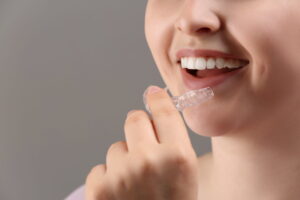
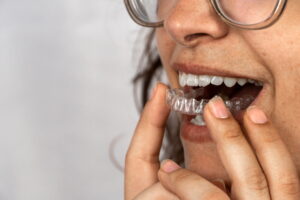
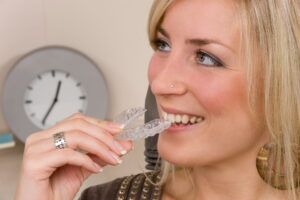
Custom take-home trays offer a strong result at a gentler pace. Your dentist makes trays that fit your teeth precisely, then gives you a measured gel to use over a couple of weeks. Because the trays fit well, the gel stays where it belongs, and the whitening is even.
Over-the-counter products and toothpastes
Store-bought strips, gels, and whitening toothpastes can help with mild surface stains, though they work more slowly and less dramatically. According to Wikipedia’s overview of tooth whitening, whitening products typically use hydrogen peroxide as the active ingredient, which breaks down pigment molecules in the enamel to reduce staining. Whitening toothpaste mainly polishes away new surface stains and helps you keep results, rather than deeply lightening the tooth.
Newer ingredients like hydroxyapatite
Hydroxyapatite is a newer ingredient found in some whitening products. A review of hydroxyapatite for tooth whitening found it can help brighten and smooth enamel with low sensitivity, which makes it appealing for people whose teeth react easily. It tends to work best for gentle brightening and upkeep rather than dramatic color change.
Use these
- Dentist-supervised in-office whitening
- Custom take-home trays from your dentist
- Whitening toothpaste to maintain results
- A dental checkup before you start
Avoid these
- Charcoal scrubs that can wear enamel
- Unproven online whitening hacks
- Whitening over untreated cavities or gum problems
- Overusing strong gels without guidance
How Long Do Whitening Results Last?
Whitening results usually last from several months to a few years, depending on your habits. The whitening itself does not wear out quickly, but new stains gradually build back up.
Habits that keep teeth white longer
You can stretch your results with a few simple habits:
- Rinse with water after coffee, tea, or wine
- Use a straw for dark drinks when possible
- Brush twice daily and floss once daily
- Keep up regular cleanings at Mantena Dental & Implant Center
- Limit tobacco, which stains teeth quickly
When to consider a touch-up
Consider a touch-up when you notice the brightness fading, often after a year or two. If you used custom trays, a short refresh with a little gel is usually enough. Regular cleanings also remove fresh surface stains and help your smile stay lighter between whitening sessions.
Is Teeth Whitening Safe?
Teeth whitening is generally safe when done with quality products and, ideally, dental guidance. Millions of people whiten their teeth without lasting problems, and the MouthHealthy guide to teeth whitening confirms that supervised whitening is a well-studied and widely used cosmetic option.
Common side effects like sensitivity
The most common side effect is temporary tooth sensitivity, along with mild gum irritation for some people. These effects usually fade within a few days after treatment. Using a sensitivity toothpaste and spacing out sessions can make the process more comfortable.
Why a dental checkup comes first
A checkup comes first because whitening over a cavity, a crack, or gum inflammation can cause discomfort and uneven results. An exam lets your dentist treat any problems, confirm the cause of the yellow color, and design a plan that fits your teeth.
Book an exam
Start with a checkup so your dentist can confirm your teeth are healthy enough to whiten.
Find the cause
Your dentist identifies whether your color comes from surface stains, bigger changes, or dental work.
Choose your method
Pick in-office whitening, custom trays, or a gentler upkeep plan based on your goals.
Whiten and maintain
Complete your treatment, then protect the result with good habits and regular cleanings.
Whitening in El Dorado Hills, CA: Next Steps
If you want whiter teeth in El Dorado Hills, CA, the next step is a simple evaluation. Dr. Rakesh Mantena and the team at Mantena Dental & Implant Center review your smile, explain what to expect from teeth whitening in your case, and recommend the safest path to your goal.
How a dentist evaluates your smile
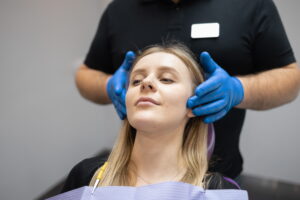
Your dentist checks the health of your teeth and gums, looks at the type of staining, and notes any fillings or crowns that will not change color. This quick review helps set realistic expectations, so you know your likely whitening results before you begin.
Booking a consultation
Booking is easy. Call Mantena Dental & Implant Center at (916) 939-6777 to schedule a whitening consultation. During your visit, you can ask about timelines, comfort, and upkeep, and leave with a clear plan for a brighter smile.
Find us
Visit Mantena Dental & Implant Center in El Dorado Hills, CA, or call (916) 939-6777 to schedule a visit with Dr. Rakesh Mantena. For directions, use the helpful Google Maps or get step-by-step navigation through Get Directions.
Meet Dr. Rakesh Mantena
Dr. Rakesh Mantena is the lead dentist at Mantena Dental & Implant Center in El Dorado Hills, bringing extensive experience in preventive, restorative, cosmetic, surgical, periodontal, sedation, and implant dentistry. A graduate of the USC School of Dentistry, Dr. Mantena has also practiced internationally in the United Kingdom and India, giving him a broad clinical perspective.
With a strong focus on dental implants and restorative care, Dr. Mantena has completed hundreds of implant placements and restorations. He continually advances his skills through specialized training, including programs with the PIKOS Institute, Full Arch Masters Fellowship, and Urban Regeneration Institute in Budapest.
Known for his patient-centered approach, Dr. Mantena focuses on clear communication, comfort, and personalized treatment plans that help patients restore their oral health, function, and confidence. Outside the office, he enjoys spending time with his wife, two daughters, and his dog, Oreo, along with reading and exploring new developments in technology.
Frequently asked questions
Q: Can 60-year-old teeth be whitened?
Yes, teeth can be whitened at 60 and beyond after a dental checkup confirms they are healthy. Older teeth often have thinner enamel, so the natural yellow of the inner tooth may show through more. This means whitening can still brighten your smile, though it may take a little longer and work best with a gentle, supervised plan at Mantena Dental & Implant Center.
Q: Can badly yellow teeth be whitened?
Badly yellow teeth can usually be whitened, especially when the color comes from years of stains from food, drinks, or tobacco. These surface stains respond well to professional whitening. If the yellow color comes from deep inside the tooth or from old dental work, whitening may improve it only partly, and Dr. Rakesh Mantena may suggest an additional cosmetic option to reach the shade you want.
Q: Will yellow teeth ever go back to white?
In most cases, yellow teeth can be returned to a much whiter shade. Whitening breaks down the stains that make teeth look yellow, revealing a brighter smile underneath. How white they become depends on the cause of the color and the method used, so a checkup helps set realistic expectations before you start.
Q: Can very yellow teeth become white again?
Very yellow teeth can often become noticeably whiter, though the amount of change depends on why they look yellow. Surface stains lift well with professional whitening, while deeper discoloration improves more slowly. A dentist at Mantena Dental & Implant Center can examine your teeth and tell you honestly how white they can realistically get.
Remember
Most yellow teeth can be made whiter again, and a short dental exam is the best first step. Professional guidance protects your enamel and gives more predictable results.
Disclaimer
This article is for general information only and is not a substitute for personal dental advice. Please see Dr. Rakesh Mantena or another qualified dentist for care tailored to you.